
Health
FTC’s PBM Settlements Signal Major Shift in Healthcare Regulations

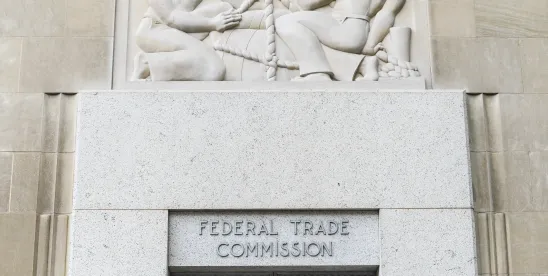
The Federal Trade Commission (FTC) is making significant strides in its enforcement actions against pharmacy benefit managers (PBMs) as it seeks to reshape industry practices regarding insulin pricing and patient access. On March 3, 2026, the FTC announced an extension of the stay in its administrative proceedings against OptumRx and Caremark Rx, allowing more time for settlement discussions. According to the involved parties, these negotiations are showing “significant progress.”
This development follows a landmark settlement reached on February 4, 2026, with Express Scripts, Inc.. The agreement imposes a decade-long set of operational commitments focused on enhancing formulary transparency, pricing structures, and compensation models. The implications of these settlements are substantial, as they signal a potential industry-wide regulatory reset.
Transforming Industry Standards
The FTC’s initial theory centered on the impact of PBM rebate-driven incentives on insulin access and out-of-pocket costs for patients. The consent order with Express Scripts has now provided a detailed and enforceable framework that could serve as a model for other PBMs. Should OptumRx and Caremark reach similar agreements, the outcomes could redefine the standard practices expected of PBMs across the industry.
One significant aspect of the Express Scripts settlement is its incorporation of the TrumpRx platform into its offerings to plan sponsors, contingent upon legal and regulatory adaptations. This shift suggests a movement away from traditional discussions about PBM operations towards a defined regulatory landscape shaped by negotiated orders with major market players.
Preparing for Compliance and Regulatory Changes
If the FTC secures parallel commitments from the three largest PBMs, there will likely be increased pressure—both commercially and legally—on all PBMs and their partners to align with the new compliance expectations. Organizations involved in the PBM ecosystem, including plan sponsors, payers, manufacturers, and pharmacies, must now consider their immediate risks. The potential for further inquiries and the establishment of a new compliance baseline is imminent.
To navigate this evolving landscape, organizations are advised to take several practical steps:
1. **Map list-price touchpoints**: Identify all revenue streams related to wholesale acquisition cost (WAC) and document the rationale behind them.
2. **Pressure-test formulary governance**: Ensure that decision-making pathways are well-documented and robust, particularly in areas where rebate structures may influence access.
3. **Audit transparency and reporting capabilities**: Assess the ability to produce drug-level data quickly and accurately, ensuring that all communications reflect actual practices.
4. **Review contracting and disclosures**: Evaluate agreements between sponsors, manufacturers, and pharmacies for essential provisions such as audit rights and reporting obligations.
5. **Update investigation response protocols**: Refresh document retention policies and regulator-facing communications to ensure a coherent response to FTC inquiries or related legal challenges.
The ongoing discussions and potential settlements indicate a pivotal moment for PBMs and the healthcare landscape in general. As the FTC continues to assert its regulatory authority, the implications for industry stakeholders will be profound, reshaping how PBMs operate and interact with patients and providers alike.

Robinhood Stock Surges 2.5% Today Amid Tech Market Recovery

Philadelphia’s Earth Month Kicks Off with Free Events in Parks

GSK’s Inhaler Decision Sparks Health Concerns for Children

Bradford’s Fish Fry Fridays Offer Community Spirit and Flavor

Speculation Rises on Shutdowns During Trump’s Potential Presidency

Samsung Galaxy Watch 9 to Feature Larger Battery, Report Reveals

Inventors Find New Purpose Through Unconventional Paths

UConn Huskies Aim for Back-to-Back Titles in 2026 NCAA Tournament

U.S. Mine Countermeasure Ships Dock in Malaysia for Logistics Stop

University of Hawaiʻi at Mānoa Joins $25.6M AI Initiative for Disaster Monitoring

$2.2 Million Boost for Cancer Research and Training in Hawaiʻi

ALMA Discovers Companion Orbiting Red Giant Star π 1 Gruis

Sacituzumab Govitecan Shows Promise for HR+/HER2− Breast Cancer

币安人生 Sees $15.92 Million in Trading Volume Amid Market Fluctuations

New Gel Offers Hope for Regrowing Tooth Enamel in Dentistry

CAVA Group Shares Surge 5.1% Amid Mixed Analyst Ratings

Christian Bale in Talks to Join Leonardo DiCaprio in Heat 2

Supreme Court to Review Birthright Citizenship for Children of Immigrants
-
Science8 months ago
University of Hawaiʻi at Mānoa Joins $25.6M AI Initiative for Disaster Monitoring
-
 Health7 months ago
$2.2 Million Boost for Cancer Research and Training in Hawaiʻi
-
 Science8 months ago
ALMA Discovers Companion Orbiting Red Giant Star π 1 Gruis
-
 Health7 months ago
Sacituzumab Govitecan Shows Promise for HR+/HER2− Breast Cancer
-
Politics4 months ago
币安人生 Sees $15.92 Million in Trading Volume Amid Market Fluctuations
-
 Health8 months ago
New Gel Offers Hope for Regrowing Tooth Enamel in Dentistry
-
 Business7 months ago
CAVA Group Shares Surge 5.1% Amid Mixed Analyst Ratings
-
 Entertainment8 months ago
Christian Bale in Talks to Join Leonardo DiCaprio in Heat 2
-
 Politics7 months ago
Supreme Court to Review Birthright Citizenship for Children of Immigrants
-

 Lifestyle7 months ago
Fernando Mendoza Secures Maxwell and O’Brien Awards Ahead of Heisman
-

 Lifestyle8 months ago
Art Deco and Traditional Designs Set to Transform Homes in 2026
-

 World7 months ago
Swiss Residents Reject 50% Inheritance Tax on Wealthy