
Health
Health Insurance CEOs Defend Practices Amid Rising Coverage Costs

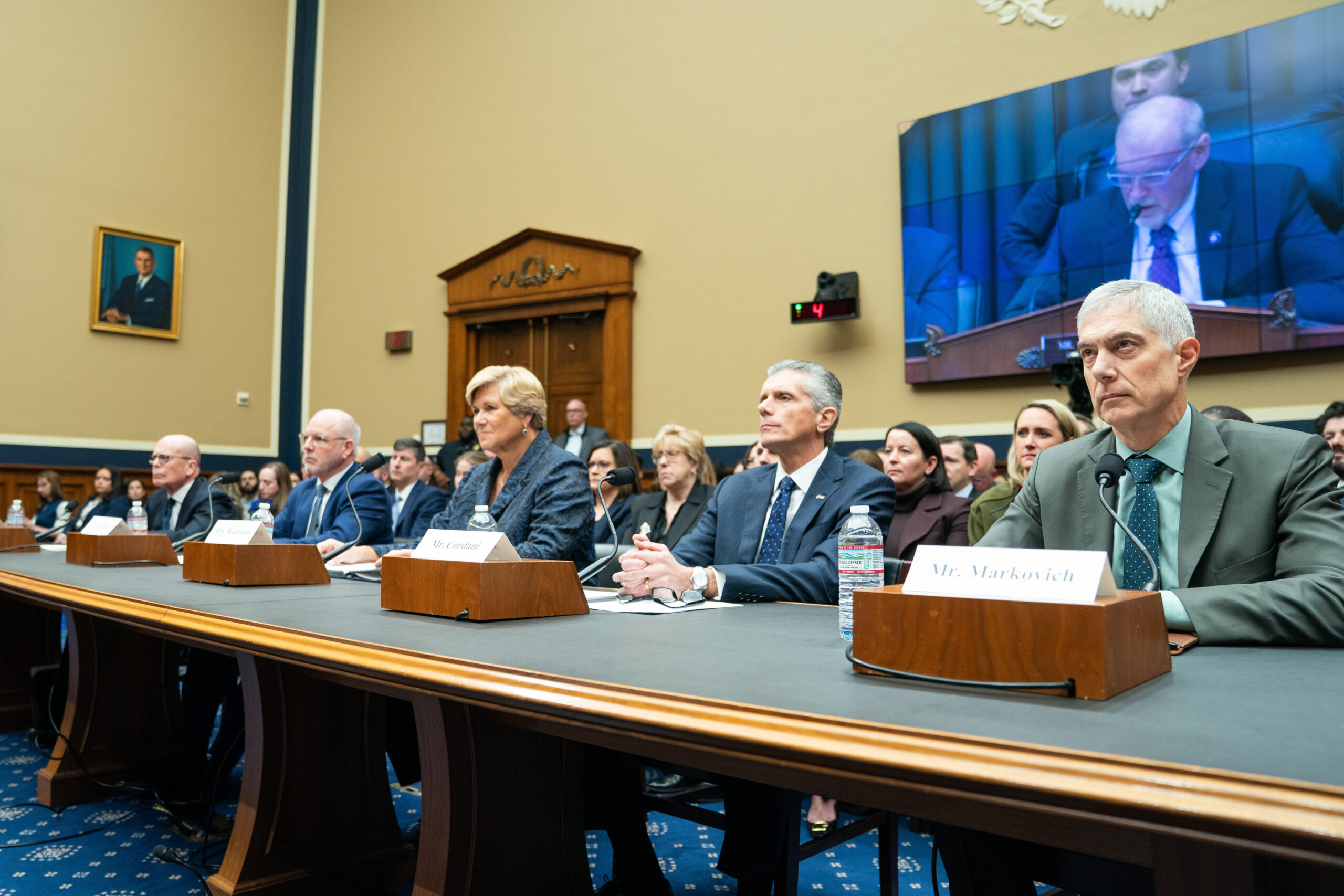
The CEOs of major health insurance companies testified before the United States House of Representatives on March 14, 2024, addressing concerns over the escalating costs of health coverage. This hearing, which attracted significant attention, aimed to scrutinize the financial practices of these companies amid growing dissatisfaction from consumers regarding insurance premiums and healthcare accessibility.
During the session, executives from leading firms such as UnitedHealth Group, Aetna, Cigna, and Anthem provided insights into their business models. They highlighted the complexities of healthcare financing and the myriad factors contributing to rising costs. According to David Wichmann, CEO of UnitedHealth Group, “The healthcare system is multifaceted, and costs are driven by various elements, including medical inflation and technological advancements.”
The hearing came in response to a surge in public frustration over health insurance premiums, which have increased significantly over the past few years. Data from the U.S. Department of Health and Human Services indicates that the average cost of employer-sponsored health insurance climbed to approximately $22,000 in 2023, marking a 10% increase from the previous year. This trend has raised alarms among lawmakers and consumers alike, prompting the inquiry into the practices of health insurers.
Many House members expressed concern about the perceived lack of transparency in how insurers set their prices. Representative Frank Pallone, Chair of the House Committee on Energy and Commerce, stated, “It is crucial for these companies to be held accountable for their pricing strategies. Consumers deserve to know why their premiums continue to rise.”
In their defense, the CEOs pointed to the ongoing investments in healthcare technology and preventive care as vital to improving patient outcomes. They argued that these investments ultimately benefit consumers, despite the short-term impact on premiums. Angela Braly, former CEO of WellPoint, emphasized, “Our commitment is to enhance the quality of care while managing costs effectively.”
The executives also discussed the role of government regulations and market competition in shaping their pricing strategies. They contended that while they strive to keep costs manageable, external factors such as legislative mandates and market volatility significantly influence their operations.
As the hearing progressed, lawmakers scrutinized specific practices, including executive compensation and profit margins. In 2023, reports indicated that the combined profits of the largest health insurers reached around $30 billion, a figure that has drawn criticism from consumer advocacy groups. Representative Katie Porter challenged the executives, asking, “How can you justify these profits when so many Americans are struggling to afford their healthcare?”
The discussions highlighted a growing divide between the health insurance industry and the consumers it serves. While executives defended their practices as necessary for sustainability, many lawmakers stressed the need for reforms to ensure that health coverage remains affordable and accessible for all Americans.
As the dialogue between lawmakers and insurance executives continues, the outcomes of these hearings could pave the way for potential legislative changes aimed at regulating health insurance pricing and enhancing consumer protections. The House Committee is expected to release recommendations following further analysis of the testimony provided during the hearing.
In an industry facing increasing scrutiny, the challenge remains for health insurers to balance profitability with the imperative of providing affordable coverage in a rapidly evolving healthcare landscape.

Robinhood Stock Surges 2.5% Today Amid Tech Market Recovery

Philadelphia’s Earth Month Kicks Off with Free Events in Parks

GSK’s Inhaler Decision Sparks Health Concerns for Children

Bradford’s Fish Fry Fridays Offer Community Spirit and Flavor

Speculation Rises on Shutdowns During Trump’s Potential Presidency

Samsung Galaxy Watch 9 to Feature Larger Battery, Report Reveals

Inventors Find New Purpose Through Unconventional Paths

UConn Huskies Aim for Back-to-Back Titles in 2026 NCAA Tournament

U.S. Mine Countermeasure Ships Dock in Malaysia for Logistics Stop

University of Hawaiʻi at Mānoa Joins $25.6M AI Initiative for Disaster Monitoring

$2.2 Million Boost for Cancer Research and Training in Hawaiʻi

ALMA Discovers Companion Orbiting Red Giant Star π 1 Gruis

Sacituzumab Govitecan Shows Promise for HR+/HER2− Breast Cancer

币安人生 Sees $15.92 Million in Trading Volume Amid Market Fluctuations

New Gel Offers Hope for Regrowing Tooth Enamel in Dentistry

CAVA Group Shares Surge 5.1% Amid Mixed Analyst Ratings

Christian Bale in Talks to Join Leonardo DiCaprio in Heat 2

Supreme Court to Review Birthright Citizenship for Children of Immigrants
-
Science9 months ago
University of Hawaiʻi at Mānoa Joins $25.6M AI Initiative for Disaster Monitoring
-
 Health7 months ago
$2.2 Million Boost for Cancer Research and Training in Hawaiʻi
-
 Science8 months ago
ALMA Discovers Companion Orbiting Red Giant Star π 1 Gruis
-
 Health7 months ago
Sacituzumab Govitecan Shows Promise for HR+/HER2− Breast Cancer
-
Politics5 months ago
币安人生 Sees $15.92 Million in Trading Volume Amid Market Fluctuations
-
 Health9 months ago
New Gel Offers Hope for Regrowing Tooth Enamel in Dentistry
-
 Business7 months ago
CAVA Group Shares Surge 5.1% Amid Mixed Analyst Ratings
-
 Entertainment8 months ago
Christian Bale in Talks to Join Leonardo DiCaprio in Heat 2
-
 Politics7 months ago
Supreme Court to Review Birthright Citizenship for Children of Immigrants
-

 Lifestyle8 months ago
Art Deco and Traditional Designs Set to Transform Homes in 2026
-

 Lifestyle7 months ago
Fernando Mendoza Secures Maxwell and O’Brien Awards Ahead of Heisman
-

 World8 months ago
Swiss Residents Reject 50% Inheritance Tax on Wealthy