
Health
Heart Disease Survivor Thrives After Innovative Heart Procedure

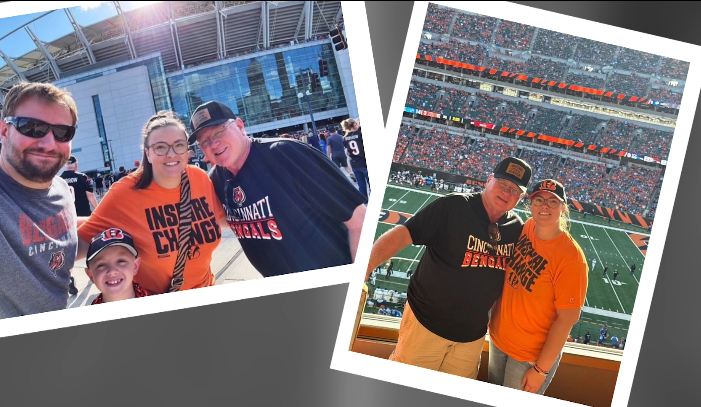
At 70 years old, Bob Siemer has become a symbol of resilience after successfully undergoing a pioneering heart procedure that defied medical expectations. Following three major heart surgeries, multiple doctors had classified any further surgery as impossible. Siemer’s extraordinary journey began at the age of 49 when he first faced severe heart problems, which ultimately led to a series of life-threatening medical interventions.
Siemer initially underwent open-heart surgery to address his deteriorating condition. Over the years, the challenges mounted, culminating in a second surgery fifteen years later due to a worn-out replacement valve. Just a year after that, he developed endocarditis, a severe infection affecting his heart. “I got very, very sick and I was just I think I was only a day or so, maybe from dying from this,” Siemer recalled, reflecting on the gravity of his health crisis.
The last of Siemer’s three surgeries left him with significant complications, including the loss of an artery essential for blood flow to one side of his heart. Dr. Jarrod Frizzell, director of Complex Corner Therapeutics at Christ Hospital, detailed the challenges of Siemer’s case. “When he came to me, this bypass graft was gone. So, now he had only very indirect blood flow,” he explained. The situation was critical, as Siemer’s condition involved a 99% blockage in a crucial blood vessel.
In a bid to restore normal function without reopening Siemer’s chest, Dr. Frizzell devised an innovative approach. “What I did was I took a wire and I went down this graft that was open back up this way and into this stump,” he said. By employing a stent procedure, Frizzell was able to cut through scar tissue and create new arteries using a technique known as electrocautery. This method successfully re-established normal blood flow to Siemer’s heart arteries, offering hope to patients who have been told there are no options left.
“This is for people that have been told there’s no options, there’s nothing we can do. You’re just going to have to live with your angina, your chest pressure, your shortness of breath, feeling tired all the time,” Frizzell emphasized, highlighting the potential impact of the procedure.
Remarkably, Siemer’s recovery was swift. Just one week after the procedure, he was already hiking, a testament to the success of the innovative technique. His case has been documented in the Journal of the American College of Cardiology, contributing valuable insights to the medical community regarding complex cardiac interventions.
Siemer’s experience not only showcases the advancements in heart surgery but also serves as an inspiration to others facing similar health challenges. His story underscores the importance of perseverance and the potential for groundbreaking medical solutions in the face of seemingly insurmountable odds.

Robinhood Stock Surges 2.5% Today Amid Tech Market Recovery

Philadelphia’s Earth Month Kicks Off with Free Events in Parks

GSK’s Inhaler Decision Sparks Health Concerns for Children

Bradford’s Fish Fry Fridays Offer Community Spirit and Flavor

Speculation Rises on Shutdowns During Trump’s Potential Presidency

Samsung Galaxy Watch 9 to Feature Larger Battery, Report Reveals

Inventors Find New Purpose Through Unconventional Paths

UConn Huskies Aim for Back-to-Back Titles in 2026 NCAA Tournament

U.S. Mine Countermeasure Ships Dock in Malaysia for Logistics Stop

University of Hawaiʻi at Mānoa Joins $25.6M AI Initiative for Disaster Monitoring

$2.2 Million Boost for Cancer Research and Training in Hawaiʻi

ALMA Discovers Companion Orbiting Red Giant Star π 1 Gruis

Sacituzumab Govitecan Shows Promise for HR+/HER2− Breast Cancer

币安人生 Sees $15.92 Million in Trading Volume Amid Market Fluctuations

New Gel Offers Hope for Regrowing Tooth Enamel in Dentistry

CAVA Group Shares Surge 5.1% Amid Mixed Analyst Ratings

Christian Bale in Talks to Join Leonardo DiCaprio in Heat 2

Supreme Court to Review Birthright Citizenship for Children of Immigrants
-
Science8 months ago
University of Hawaiʻi at Mānoa Joins $25.6M AI Initiative for Disaster Monitoring
-
 Health7 months ago
$2.2 Million Boost for Cancer Research and Training in Hawaiʻi
-
 Science8 months ago
ALMA Discovers Companion Orbiting Red Giant Star π 1 Gruis
-
 Health7 months ago
Sacituzumab Govitecan Shows Promise for HR+/HER2− Breast Cancer
-
Politics4 months ago
币安人生 Sees $15.92 Million in Trading Volume Amid Market Fluctuations
-
 Health8 months ago
New Gel Offers Hope for Regrowing Tooth Enamel in Dentistry
-
 Business7 months ago
CAVA Group Shares Surge 5.1% Amid Mixed Analyst Ratings
-
 Entertainment8 months ago
Christian Bale in Talks to Join Leonardo DiCaprio in Heat 2
-
 Politics7 months ago
Supreme Court to Review Birthright Citizenship for Children of Immigrants
-

 Lifestyle8 months ago
Art Deco and Traditional Designs Set to Transform Homes in 2026
-

 Lifestyle7 months ago
Fernando Mendoza Secures Maxwell and O’Brien Awards Ahead of Heisman
-

 World8 months ago
Swiss Residents Reject 50% Inheritance Tax on Wealthy