
Health
Idaho Secures $185.9 Million for Rural Health Care Improvement

Idaho has been awarded approximately $185.9 million in federal funding as part of a nationwide initiative to enhance rural health care infrastructure. This funding comes from the Rural Health Transformation Program, announced by the Center for Medicare & Medicaid Services (CMS) on March 15, 2024. The program, a result of the recent Working Families Tax Cuts legislation, is set to provide significant financial support to states through 2030.
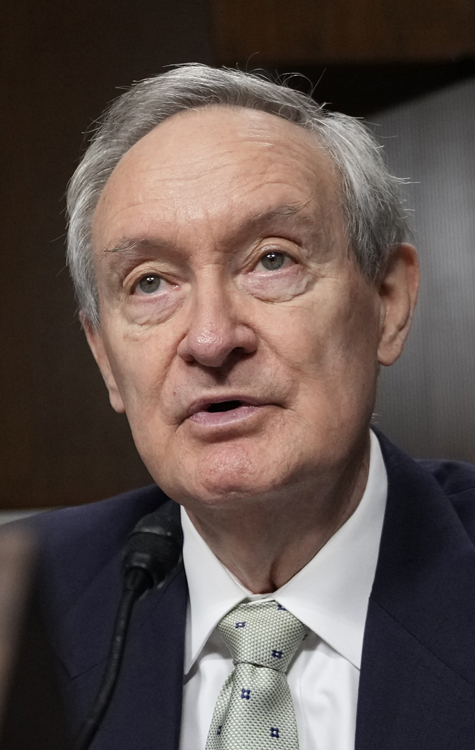
The award, while slightly below the $200 million initially requested by the Idaho Department of Health and Welfare in November, signifies a crucial step in addressing health care disparities in remote areas. As Idaho Senator Mike Crapo noted in a press release, “The projects supported by this grant will help Idahoans in remote areas get the care they need, even long after the program ends.” The senator emphasized the importance of the program for rural health care systems across the United States.
Funding Distribution and Future Prospects
The funding is part of a broader $50 billion initiative that will be disbursed in increments of $10 billion annually from 2026 to 2030. Each year, half of the funding will be equally allocated among the states, while the remaining half will be distributed based on factors such as the rurality of the health systems and the financial status of rural hospitals.
In 2026, the average award for states is expected to be around $200 million, with individual allocations ranging from $147 million to $281 million. For instance, Montana received $233.5 million, while Oregon, Utah, and Washington were awarded $197.3 million, $196.7 million, and $181.3 million respectively.
Identifying Health Care Needs in Idaho
In preparation for utilizing these funds, the Idaho Department of Health and Welfare conducted a survey among health care stakeholders and the public. The survey identified three primary areas for investment: recruiting and retaining clinical workforce talent, assessing the health care needs of rural communities—including emergency and outpatient care—and enhancing chronic disease management and prevention efforts.
While specific plans for the allocation of Idaho’s grant are still in development, the Idaho Medical Education Working Group has been actively engaged in discussions. This group, comprising legislators and medical professionals, has proposed initiatives aimed at addressing the state’s physician shortage, which is critically low, ranking 50th nationally in physicians per capita.
Earlier this month, the group unveiled a “Train Here, Stay Here” plan designed to enhance medical education within the state. This initiative focuses on improving retention through incentives and expanding both undergraduate and graduate medical education infrastructure.
As Idaho moves forward with these plans, the impact of the federal funding is expected to resonate throughout its rural communities, fostering a more robust health care system capable of meeting the evolving needs of its residents.

Robinhood Stock Surges 2.5% Today Amid Tech Market Recovery

Philadelphia’s Earth Month Kicks Off with Free Events in Parks

GSK’s Inhaler Decision Sparks Health Concerns for Children

Bradford’s Fish Fry Fridays Offer Community Spirit and Flavor

Speculation Rises on Shutdowns During Trump’s Potential Presidency

Samsung Galaxy Watch 9 to Feature Larger Battery, Report Reveals

Inventors Find New Purpose Through Unconventional Paths

UConn Huskies Aim for Back-to-Back Titles in 2026 NCAA Tournament

U.S. Mine Countermeasure Ships Dock in Malaysia for Logistics Stop

University of Hawaiʻi at Mānoa Joins $25.6M AI Initiative for Disaster Monitoring

$2.2 Million Boost for Cancer Research and Training in Hawaiʻi

ALMA Discovers Companion Orbiting Red Giant Star π 1 Gruis

Sacituzumab Govitecan Shows Promise for HR+/HER2− Breast Cancer

币安人生 Sees $15.92 Million in Trading Volume Amid Market Fluctuations

New Gel Offers Hope for Regrowing Tooth Enamel in Dentistry

CAVA Group Shares Surge 5.1% Amid Mixed Analyst Ratings

Christian Bale in Talks to Join Leonardo DiCaprio in Heat 2

Supreme Court to Review Birthright Citizenship for Children of Immigrants
-
Science9 months ago
University of Hawaiʻi at Mānoa Joins $25.6M AI Initiative for Disaster Monitoring
-
 Health8 months ago
$2.2 Million Boost for Cancer Research and Training in Hawaiʻi
-
 Science9 months ago
ALMA Discovers Companion Orbiting Red Giant Star π 1 Gruis
-
 Health7 months ago
Sacituzumab Govitecan Shows Promise for HR+/HER2− Breast Cancer
-
Politics5 months ago
币安人生 Sees $15.92 Million in Trading Volume Amid Market Fluctuations
-
 Health9 months ago
New Gel Offers Hope for Regrowing Tooth Enamel in Dentistry
-
 Business8 months ago
CAVA Group Shares Surge 5.1% Amid Mixed Analyst Ratings
-
 Entertainment9 months ago
Christian Bale in Talks to Join Leonardo DiCaprio in Heat 2
-
 Politics8 months ago
Supreme Court to Review Birthright Citizenship for Children of Immigrants
-

 Lifestyle9 months ago
Art Deco and Traditional Designs Set to Transform Homes in 2026
-

 Lifestyle8 months ago
Fernando Mendoza Secures Maxwell and O’Brien Awards Ahead of Heisman
-

 World8 months ago
Swiss Residents Reject 50% Inheritance Tax on Wealthy