
Health
Iowa Governor Kim Reynolds Proposes Tobacco Tax Increase to Combat Cancer

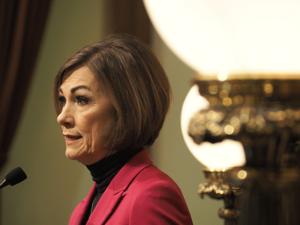
Governor Kim Reynolds announced on Thursday a comprehensive legislative initiative aimed at reducing tobacco use and promoting healthier lifestyles in Iowa. The proposal includes an increase in taxes on cigarettes and tobacco products, as well as the introduction of new taxes on consumable hemp and vaping products. This effort comes in light of preliminary findings from an ongoing research project investigating the alarming rise in cancer rates across the state.
The Iowa Legislature had previously allocated $1 million in funding for this year-long research project, a collaboration between the Iowa Department of Health and Human Services and the University of Iowa College of Public Health. Initial findings indicate that there is no single cause for Iowa’s elevated cancer rates, which have been a cause for concern among residents and health officials alike. “I understand why so many Iowans want to find that one cause of cancer,” Reynolds stated. “But know the research will continue to look at all the evidence, including environmental factors.”
Rising Cancer Rates in Iowa
According to the Iowa Cancer Registry, Iowa reported the second highest age-adjusted rate of new cancer diagnoses in 2025. The state is among only two in the nation experiencing a rising incidence of cancer, with the fastest growth rate noted in 2024. The interim report revealed that in 2022, an estimated 2,582 Iowans were diagnosed with cancer at a significantly higher rate than the national average for similar demographics.
Dr. Mary Charlton, a professor of epidemiology at the University of Iowa and director of the Iowa Cancer Registry, emphasized the complexity of cancer development, which can stem from a mix of genetic, environmental, and behavioral factors. The study has identified five types of cancer that are particularly concerning: prostate, breast, lung, melanoma, and colorectal cancer.
While the research is ongoing, the report highlighted that Iowa’s cancer rates began to exceed national averages significantly in 2013 and 2014. The data indicates that the state is part of a cluster with similar demographic and behavioral risk factors, including binge drinking and obesity, compared to neighboring states like North Dakota and Minnesota. However, Iowa notably has higher rates of lung cancer than its peers.
Proposed Measures to Promote Health
In addition to increasing tobacco taxes, Reynolds’ proposal aims to tackle health issues through various measures. These include restrictions on certain foods available through the Supplemental Nutrition Assistance Program (SNAP) and eliminating certain dyes and additives from school lunch programs. The governor stressed that these initiatives are designed to address factors linked to cancer development.
Dr. Robert Kruse, the state medical director, highlighted the importance of individual actions in cancer prevention. He urged Iowans to take proactive steps such as testing their homes for radon, reducing tobacco and alcohol consumption, and maintaining a healthy lifestyle. “Cancer outcomes are not predetermined,” Kruse remarked, advocating for comprehensive early detection and access to quality healthcare across Iowa, especially in rural areas.
The state is also implementing the “Healthy Hometowns” initiative, funded through the federal Rural Health Transformation Program. This program, which received $209 million in its first round of funding, aims to enhance cancer prevention and early detection efforts in rural communities. Plans include expanding colorectal cancer screening, increasing radon testing, and enhancing training for healthcare providers in skin cancer detection.
Looking ahead, researchers aim to complete modeling and mapping analyses for various cancer types by July 1, 2026. In the second year of the study, they will delve into environmental and genetic factors affecting cancer rates, with a view to providing actionable recommendations for evidence-based cancer prevention strategies.
Reynolds concluded her address by reaffirming the importance of healthy behaviors for overall well-being, stating, “Today’s research findings make it very clear how important healthy behaviors are for Iowans.” As the state grapples with rising cancer rates, these legislative measures represent a significant step toward fostering a healthier population.

Robinhood Stock Surges 2.5% Today Amid Tech Market Recovery

Philadelphia’s Earth Month Kicks Off with Free Events in Parks

GSK’s Inhaler Decision Sparks Health Concerns for Children

Bradford’s Fish Fry Fridays Offer Community Spirit and Flavor

Speculation Rises on Shutdowns During Trump’s Potential Presidency

Samsung Galaxy Watch 9 to Feature Larger Battery, Report Reveals

Inventors Find New Purpose Through Unconventional Paths

UConn Huskies Aim for Back-to-Back Titles in 2026 NCAA Tournament

U.S. Mine Countermeasure Ships Dock in Malaysia for Logistics Stop

University of Hawaiʻi at Mānoa Joins $25.6M AI Initiative for Disaster Monitoring

$2.2 Million Boost for Cancer Research and Training in Hawaiʻi

ALMA Discovers Companion Orbiting Red Giant Star π 1 Gruis

Sacituzumab Govitecan Shows Promise for HR+/HER2− Breast Cancer

币安人生 Sees $15.92 Million in Trading Volume Amid Market Fluctuations

New Gel Offers Hope for Regrowing Tooth Enamel in Dentistry

CAVA Group Shares Surge 5.1% Amid Mixed Analyst Ratings

Supreme Court to Review Birthright Citizenship for Children of Immigrants

Christian Bale in Talks to Join Leonardo DiCaprio in Heat 2
-
Science9 months ago
University of Hawaiʻi at Mānoa Joins $25.6M AI Initiative for Disaster Monitoring
-
 Health7 months ago
$2.2 Million Boost for Cancer Research and Training in Hawaiʻi
-
 Science8 months ago
ALMA Discovers Companion Orbiting Red Giant Star π 1 Gruis
-
 Health7 months ago
Sacituzumab Govitecan Shows Promise for HR+/HER2− Breast Cancer
-
Politics5 months ago
币安人生 Sees $15.92 Million in Trading Volume Amid Market Fluctuations
-
 Health8 months ago
New Gel Offers Hope for Regrowing Tooth Enamel in Dentistry
-
 Business7 months ago
CAVA Group Shares Surge 5.1% Amid Mixed Analyst Ratings
-
 Politics7 months ago
Supreme Court to Review Birthright Citizenship for Children of Immigrants
-
 Entertainment8 months ago
Christian Bale in Talks to Join Leonardo DiCaprio in Heat 2
-

 Lifestyle8 months ago
Art Deco and Traditional Designs Set to Transform Homes in 2026
-

 Lifestyle7 months ago
Fernando Mendoza Secures Maxwell and O’Brien Awards Ahead of Heisman
-

 World8 months ago
Swiss Residents Reject 50% Inheritance Tax on Wealthy