
Health
Light Therapy: A Bright Solution for Seasonal Affective Disorder

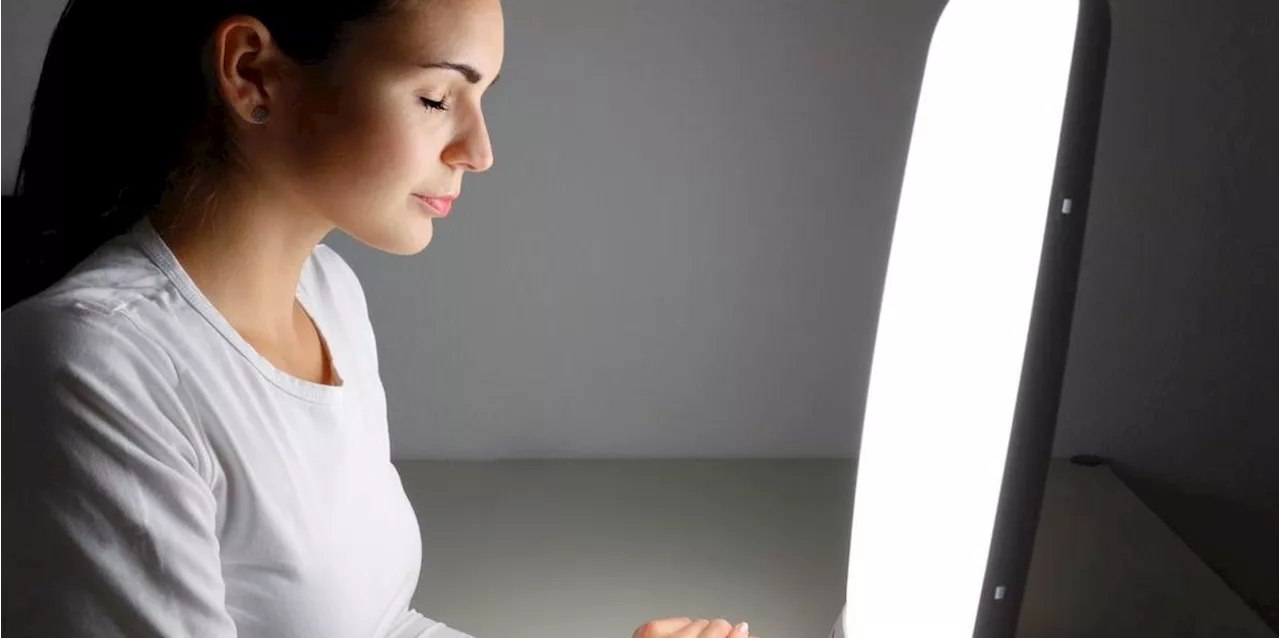
Many individuals experience a dip in mood during the winter months, often related to Seasonal Affective Disorder (SAD). This condition can lead to feelings of hopelessness, fatigue, and melancholy, significantly impacting daily life. Fortunately, research indicates that light therapy may offer an effective treatment option for those struggling with this seasonal affliction.
Light therapy involves exposure to a specially designed light box for approximately 30 minutes each day. Most devices used for this purpose emit a brightness of around 10,000 lux, which mimics the outdoor light levels experienced on an overcast day. According to experts, including those from Stanford University, this exposure can help alleviate the symptoms associated with SAD by positively influencing the body’s circadian rhythms.
Understanding the Impact of Light on Mood
The fundamental theory behind light therapy is its ability to enhance mood and energy levels during darker months. Dr. Daniel Zeitzer, a professor in the Department of Psychiatry and Behavioral Sciences at Stanford University, explains that light therapy impacts our circadian system, which regulates essential functions such as sleep and wake cycles. “Many aspects of our well-being are linked to our circadian setting,” said Zeitzer. “For some individuals, the shorter days can lead to significant issues.”
Research supports the effectiveness of light therapy. A study involving 22 women found that morning light therapy was significantly associated with reduced symptoms of perinatal depression. While light therapy can be beneficial for some, it is not a panacea and should not replace professional treatment for non-seasonal depression. Consulting a healthcare provider is essential before beginning any new treatment, especially for individuals with existing mood disorders.
Practical Considerations for Light Therapy
Light therapy is not only effective but also convenient and affordable. Individuals can easily purchase light therapy boxes online or at major retail stores, allowing them to conduct treatments in the comfort of their homes. It is important to establish a routine, typically sitting in front of the light box each morning from late fall through spring. Users should avoid staring directly into the light, but the therapy can be combined with other activities, such as reading or working.
While light therapy is generally safe, certain individuals may need to exercise caution. Those who are sensitive to light or have specific eye conditions should consult their healthcare provider prior to commencing treatment. Dr. Zeitzer emphasizes the importance of proper assessment: “It’s crucial for individuals to see a doctor to ensure this is an appropriate solution. We want to avoid situations where someone with clinical depression that isn’t seasonally related could see their condition worsen due to ineffective treatment.”
As winter approaches, many will likely face the challenge of shorter days and reduced sunlight. For those grappling with SAD, light therapy presents a promising avenue to help brighten their days. By understanding the treatment’s potential and limitations, individuals can take proactive steps towards improving their mental health during the darker months of the year.

Robinhood Stock Surges 2.5% Today Amid Tech Market Recovery

Philadelphia’s Earth Month Kicks Off with Free Events in Parks

GSK’s Inhaler Decision Sparks Health Concerns for Children

Bradford’s Fish Fry Fridays Offer Community Spirit and Flavor

Speculation Rises on Shutdowns During Trump’s Potential Presidency

Samsung Galaxy Watch 9 to Feature Larger Battery, Report Reveals

Inventors Find New Purpose Through Unconventional Paths

UConn Huskies Aim for Back-to-Back Titles in 2026 NCAA Tournament

U.S. Mine Countermeasure Ships Dock in Malaysia for Logistics Stop

University of Hawaiʻi at Mānoa Joins $25.6M AI Initiative for Disaster Monitoring

$2.2 Million Boost for Cancer Research and Training in Hawaiʻi

ALMA Discovers Companion Orbiting Red Giant Star π 1 Gruis

Sacituzumab Govitecan Shows Promise for HR+/HER2− Breast Cancer

币安人生 Sees $15.92 Million in Trading Volume Amid Market Fluctuations

New Gel Offers Hope for Regrowing Tooth Enamel in Dentistry

CAVA Group Shares Surge 5.1% Amid Mixed Analyst Ratings

Christian Bale in Talks to Join Leonardo DiCaprio in Heat 2

Supreme Court to Review Birthright Citizenship for Children of Immigrants
-
Science9 months ago
University of Hawaiʻi at Mānoa Joins $25.6M AI Initiative for Disaster Monitoring
-
 Health7 months ago
$2.2 Million Boost for Cancer Research and Training in Hawaiʻi
-
 Science8 months ago
ALMA Discovers Companion Orbiting Red Giant Star π 1 Gruis
-
 Health7 months ago
Sacituzumab Govitecan Shows Promise for HR+/HER2− Breast Cancer
-
Politics5 months ago
币安人生 Sees $15.92 Million in Trading Volume Amid Market Fluctuations
-
 Health9 months ago
New Gel Offers Hope for Regrowing Tooth Enamel in Dentistry
-
 Business7 months ago
CAVA Group Shares Surge 5.1% Amid Mixed Analyst Ratings
-
 Entertainment8 months ago
Christian Bale in Talks to Join Leonardo DiCaprio in Heat 2
-
 Politics7 months ago
Supreme Court to Review Birthright Citizenship for Children of Immigrants
-

 Lifestyle8 months ago
Art Deco and Traditional Designs Set to Transform Homes in 2026
-

 Lifestyle7 months ago
Fernando Mendoza Secures Maxwell and O’Brien Awards Ahead of Heisman
-

 World8 months ago
Swiss Residents Reject 50% Inheritance Tax on Wealthy