
Health
Measles Cases Surge in the U.S.: What You Need to Know

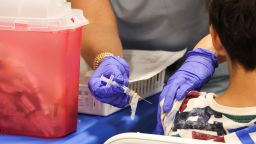
The United States is experiencing a significant resurgence of measles, with a record number of cases reported in 2025 and at least 171 new cases in the first two weeks of January 2026. This alarming trend, as highlighted by data from the US Centers for Disease Control and Prevention (CDC), suggests that the virus is spreading rapidly, particularly in regions with ongoing outbreaks in South Carolina and near the Utah-Arizona state line.
The implications of these outbreaks extend beyond the immediate areas affected, raising concerns about public health safety across the nation. As noted by Dr. Linda Bell, South Carolina’s state epidemiologist, tracking exposures is becoming increasingly difficult as cases proliferate. Many individuals may unknowingly be in public settings while infectious, posing risks to those around them.
Current Outbreaks and Exposure Locations
Recent reports indicate numerous public exposure sites in South Carolina, including schools, churches, restaurants, and healthcare facilities. The health department may not always disclose these locations unless specific details about the exposure time and date are available. For instance, a family from North Carolina was potentially exposed while visiting Spartanburg County, South Carolina. Similarly, a warning was issued for possible exposure at a hotel in Albuquerque, New Mexico, linked to an infected individual traveling from South Carolina.
During the previous holiday season, at least four major international airports in the U.S. documented measles cases or potential exposures. An infectious person also traveled through major cities in the Northeast on an Amtrak train last week, contributing to the growing concern among health officials. Dr. Jesse Hackell, a retired pediatrician and member of the American Academy of Pediatrics, emphasized that vaccination is crucial for mitigating the risk of exposure leading to illness. He stated, “Vaccinating almost completely eliminates the risk of an exposure leading to disease.”
What to Do If Exposed to Measles
For individuals concerned about potential exposure to measles, checking vaccination status is paramount. The measles-mumps-rubella (MMR) vaccine is highly effective; one dose provides 93% protection, while two doses increase that to 97%. Health authorities recommend that children receive their first dose between 12 and 15 months of age and the second between ages 4 and 6, although earlier vaccination is advisable during outbreaks.
Dr. Raynard Washington, director of the public health department in Mecklenburg County, North Carolina, reassured that vaccinated individuals typically need not worry. He stated, “If you have immunity to measles, you will most likely just be directed to watch for symptoms as a precaution.” Those unvaccinated who have been exposed should act swiftly, as receiving an MMR vaccine within 72 hours of exposure can offer protection or result in a milder illness.
Individuals who suspect exposure should contact their healthcare provider without visiting the clinic to prevent further transmission. Dr. Bell advised that anyone with potential measles exposure should notify a healthcare provider before arriving at a facility. She also suggested wearing a mask to protect others during their visit.
Dr. Stuart Simko, a pediatrician with Prisma Health in South Carolina, highlighted the importance of updated protocols that resemble early COVID-19 practices. These include telehealth visits and patient screening to minimize exposure risks in healthcare settings. He expressed pride in his team’s rapid response to reporting cases to the health department, which helped prevent further exposure.
Monitoring Symptoms and Staying Informed
Early symptoms of measles can be mistaken for other respiratory illnesses, often beginning with a fever, cough, and runny nose. The characteristic rash typically appears a few days later, starting in the mouth and spreading along the hairline. Another early sign may be conjunctivitis, commonly known as pink eye. Dr. Hackell advised parents to be vigilant for these symptoms and consult with a pediatrician if they arise.
While there is no specific treatment for measles, monitoring symptoms closely is essential. Dr. Simko reported that he conducted frequent telehealth check-ins with his measles patients to ensure they remained hydrated and showed signs of improvement. He noted the unpredictability of measles severity, emphasizing the importance of vigilance, particularly in children.
Awareness of vaccination rates in local schools is also vital. According to Dr. Hackell, schools with high vaccination rates are less likely to experience spreading outbreaks. Public exposure incidents can occur unexpectedly, making it critical for local health departments to monitor outbreaks and communicate effectively with the public. The public health department in Mecklenburg County recently detected measles in wastewater, indicating the presence of an infection in the area, even without reported cases.
In response, the county’s health department made MMR vaccinations available through its immunization clinic and deployed a mobile unit to local schools.
Preventing Further Spread
Unvaccinated individuals who have been exposed to measles should adhere to a quarantine period of 21 days following exposure to mitigate the risk of further transmission. The state health department in South Carolina reported that over 400 individuals are currently in quarantine, underscoring the importance of this public health measure. Those who have received both doses of the MMR vaccine are exempt from quarantine.
Dr. Hackell affirmed that vaccination is the most effective way for parents to safeguard their children, even in the event of an exposure. As measles cases continue to rise, staying informed and proactive about vaccinations remains crucial in protecting public health.

Robinhood Stock Surges 2.5% Today Amid Tech Market Recovery

Philadelphia’s Earth Month Kicks Off with Free Events in Parks

GSK’s Inhaler Decision Sparks Health Concerns for Children

Bradford’s Fish Fry Fridays Offer Community Spirit and Flavor

Speculation Rises on Shutdowns During Trump’s Potential Presidency

Samsung Galaxy Watch 9 to Feature Larger Battery, Report Reveals

Inventors Find New Purpose Through Unconventional Paths

UConn Huskies Aim for Back-to-Back Titles in 2026 NCAA Tournament

U.S. Mine Countermeasure Ships Dock in Malaysia for Logistics Stop

University of Hawaiʻi at Mānoa Joins $25.6M AI Initiative for Disaster Monitoring

$2.2 Million Boost for Cancer Research and Training in Hawaiʻi

ALMA Discovers Companion Orbiting Red Giant Star π 1 Gruis

Sacituzumab Govitecan Shows Promise for HR+/HER2− Breast Cancer

币安人生 Sees $15.92 Million in Trading Volume Amid Market Fluctuations

New Gel Offers Hope for Regrowing Tooth Enamel in Dentistry

CAVA Group Shares Surge 5.1% Amid Mixed Analyst Ratings

Christian Bale in Talks to Join Leonardo DiCaprio in Heat 2

Supreme Court to Review Birthright Citizenship for Children of Immigrants
-
Science9 months ago
University of Hawaiʻi at Mānoa Joins $25.6M AI Initiative for Disaster Monitoring
-
 Health7 months ago
$2.2 Million Boost for Cancer Research and Training in Hawaiʻi
-
 Science8 months ago
ALMA Discovers Companion Orbiting Red Giant Star π 1 Gruis
-
 Health7 months ago
Sacituzumab Govitecan Shows Promise for HR+/HER2− Breast Cancer
-
Politics5 months ago
币安人生 Sees $15.92 Million in Trading Volume Amid Market Fluctuations
-
 Health9 months ago
New Gel Offers Hope for Regrowing Tooth Enamel in Dentistry
-
 Business7 months ago
CAVA Group Shares Surge 5.1% Amid Mixed Analyst Ratings
-
 Entertainment8 months ago
Christian Bale in Talks to Join Leonardo DiCaprio in Heat 2
-
 Politics7 months ago
Supreme Court to Review Birthright Citizenship for Children of Immigrants
-

 Lifestyle8 months ago
Art Deco and Traditional Designs Set to Transform Homes in 2026
-

 Lifestyle7 months ago
Fernando Mendoza Secures Maxwell and O’Brien Awards Ahead of Heisman
-

 World8 months ago
Swiss Residents Reject 50% Inheritance Tax on Wealthy