
Health
New York City Reports Rise in HIV Diagnoses Amid Funding Worries

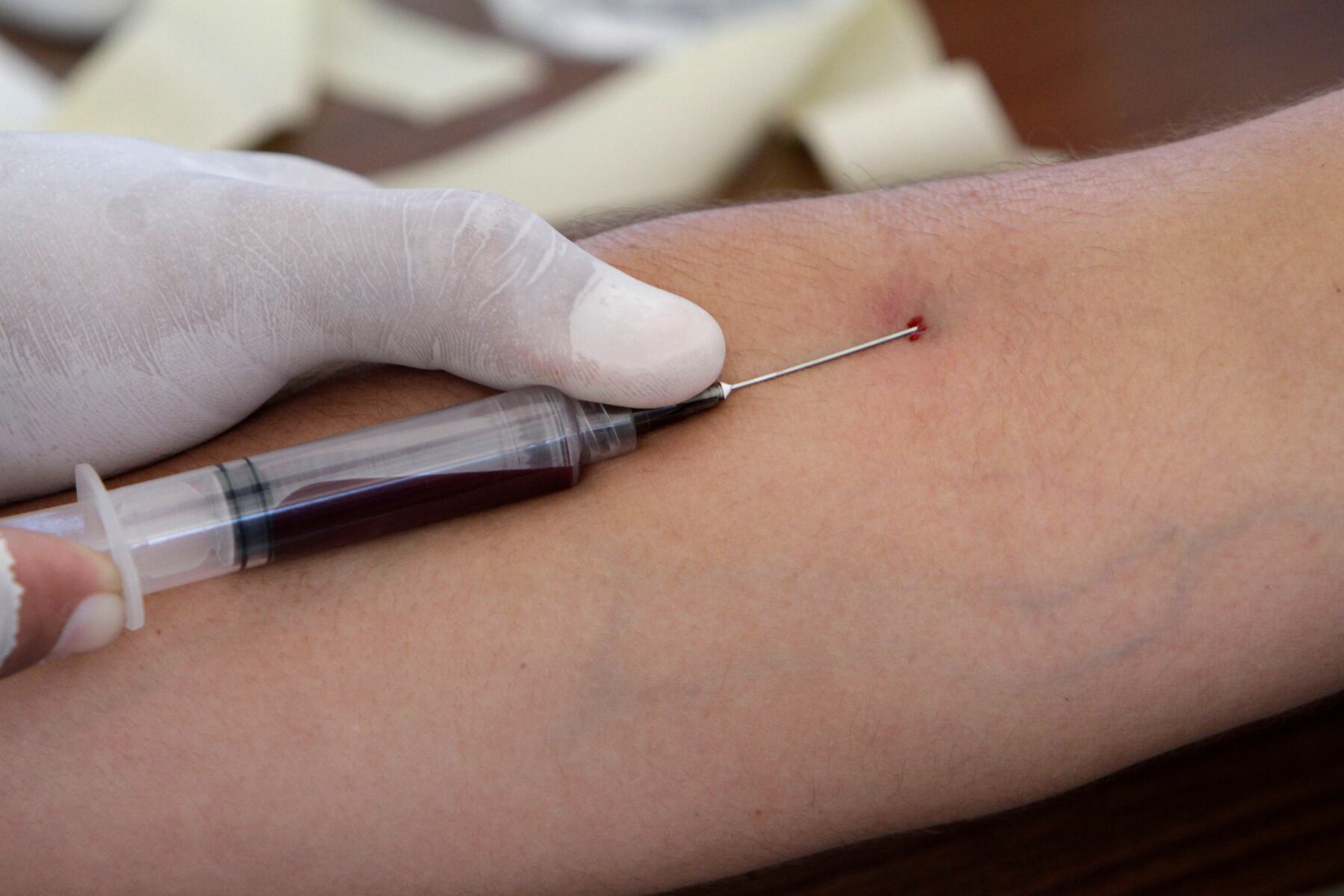
The latest HIV Surveillance Annual Report from New York City indicates a concerning rise in new HIV diagnoses, coinciding with apprehensions over potential federal funding cuts. In 2024, the city recorded 1,791 new HIV diagnoses, marking a 5.4% increase from the previous year. Health officials are sounding alarms as the federal government proposes severe budget reductions that could significantly impact local prevention efforts.
On Staten Island, the report detailed 39 new HIV cases in 2024, contributing to a total of 2,608 residents currently living with HIV in the borough. Additionally, there were 44 HIV-related deaths reported. The findings underscore alarming racial and ethnic disparities in new diagnoses, which the New York City Department of Health and Mental Hygiene attributes to systemic issues, including “structural racism, poverty, the legacy of housing segregation, unfair access to health care, and other systemic factors.”
The report highlights that approximately 86% of those newly diagnosed with HIV in 2024 identify as Black or Latino/Latina. This stark statistic illustrates the ongoing challenges faced by marginalized communities in accessing adequate healthcare resources.
The backdrop of these rising numbers is a proposal by the federal government to eliminate the entire Division of HIV Prevention at the Centers for Disease Control and Prevention (CDC). This plan includes a proposed cut of $755 million in CDC funding dedicated to HIV prevention initiatives. If these cuts are enacted, New York City’s health department anticipates a loss of more than $41 million, which is crucial for identifying new cases, connecting individuals to treatment, and providing partner services.
Despite significant progress over the past 25 years—new diagnoses across the five boroughs have dropped by more than 70% since 2001—experts are now expressing concern that advancements have stagnated. Dr. Michelle Morse, Acting Health Commissioner, stated, “In the last three decades, we’ve made immense progress toward ending the HIV epidemic in New York City. Yet this progress has stalled as new diagnoses have increased or remained stable for the fourth year in a row.”
As funding uncertainties loom, city officials are calling for immediate action to ensure that vital services remain intact. The implications of these funding cuts could hinder the progress made in combating HIV, especially in vulnerable populations. Health advocates are urging stakeholders to address these disparities and ensure that resources are allocated effectively to support those affected by HIV in New York City.
The situation remains fluid, and health officials are closely monitoring developments while advocating for the necessary funding to continue their initiatives aimed at reducing HIV transmission and improving health outcomes for those living with the virus.

Robinhood Stock Surges 2.5% Today Amid Tech Market Recovery

Philadelphia’s Earth Month Kicks Off with Free Events in Parks

GSK’s Inhaler Decision Sparks Health Concerns for Children

Bradford’s Fish Fry Fridays Offer Community Spirit and Flavor

Speculation Rises on Shutdowns During Trump’s Potential Presidency

Samsung Galaxy Watch 9 to Feature Larger Battery, Report Reveals

Inventors Find New Purpose Through Unconventional Paths

UConn Huskies Aim for Back-to-Back Titles in 2026 NCAA Tournament

U.S. Mine Countermeasure Ships Dock in Malaysia for Logistics Stop

University of Hawaiʻi at Mānoa Joins $25.6M AI Initiative for Disaster Monitoring

$2.2 Million Boost for Cancer Research and Training in Hawaiʻi

ALMA Discovers Companion Orbiting Red Giant Star π 1 Gruis

Sacituzumab Govitecan Shows Promise for HR+/HER2− Breast Cancer

币安人生 Sees $15.92 Million in Trading Volume Amid Market Fluctuations

New Gel Offers Hope for Regrowing Tooth Enamel in Dentistry

CAVA Group Shares Surge 5.1% Amid Mixed Analyst Ratings

Christian Bale in Talks to Join Leonardo DiCaprio in Heat 2

Supreme Court to Review Birthright Citizenship for Children of Immigrants
-
Science9 months ago
University of Hawaiʻi at Mānoa Joins $25.6M AI Initiative for Disaster Monitoring
-
 Health8 months ago
$2.2 Million Boost for Cancer Research and Training in Hawaiʻi
-
 Science9 months ago
ALMA Discovers Companion Orbiting Red Giant Star π 1 Gruis
-
 Health7 months ago
Sacituzumab Govitecan Shows Promise for HR+/HER2− Breast Cancer
-
Politics5 months ago
币安人生 Sees $15.92 Million in Trading Volume Amid Market Fluctuations
-
 Health9 months ago
New Gel Offers Hope for Regrowing Tooth Enamel in Dentistry
-
 Business8 months ago
CAVA Group Shares Surge 5.1% Amid Mixed Analyst Ratings
-
 Entertainment9 months ago
Christian Bale in Talks to Join Leonardo DiCaprio in Heat 2
-
 Politics8 months ago
Supreme Court to Review Birthright Citizenship for Children of Immigrants
-

 Lifestyle9 months ago
Art Deco and Traditional Designs Set to Transform Homes in 2026
-

 Lifestyle8 months ago
Fernando Mendoza Secures Maxwell and O’Brien Awards Ahead of Heisman
-

 World8 months ago
Swiss Residents Reject 50% Inheritance Tax on Wealthy