
Health
Pediatrician Offers Guidance on Bringing Sick Kids to Parties

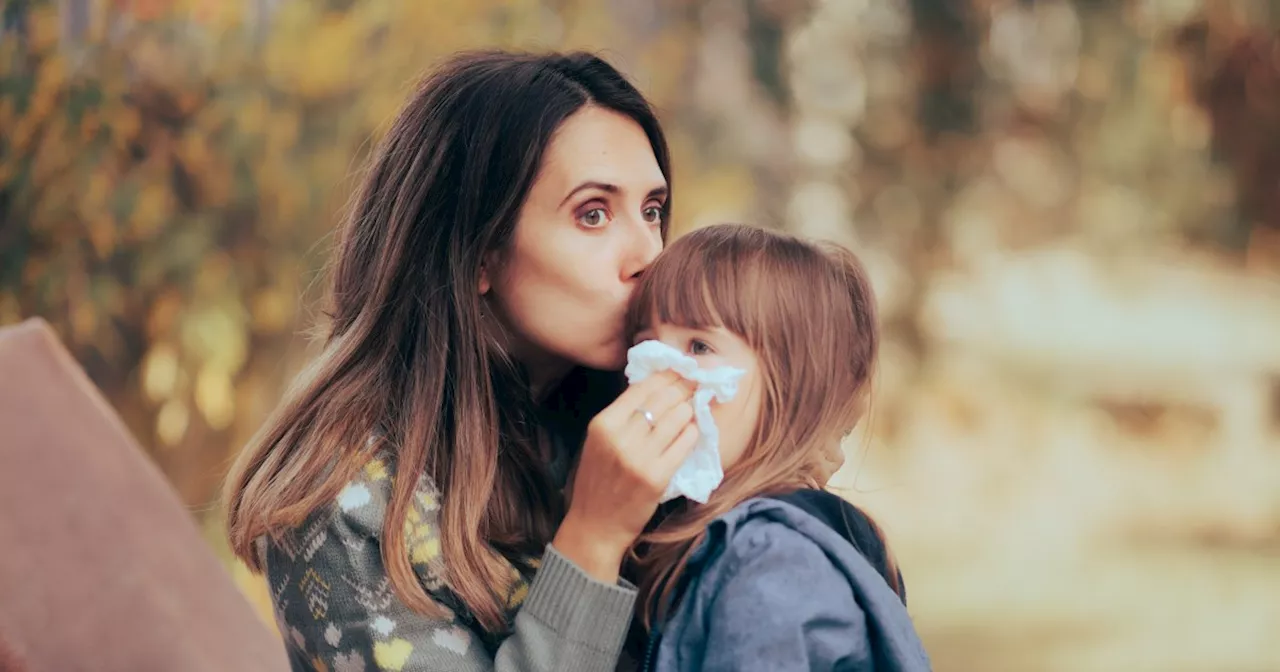
When planning to attend a festive gathering, parents often face a dilemma if their child shows signs of illness. The question of whether to bring a potentially sick child to a party has gained attention, particularly during the winter season when colds are common. According to pediatrician Dr. Gabriella Dauer from South Florida, there are specific guidelines that parents can follow to make this decision.
Dr. Dauer emphasizes that a simple runny nose is typically not a cause for concern. “A lot of kids are going to have runny, watery noses in the winter season. It can be from the cold weather or allergies in the fall,” she explains. As long as proper hygiene practices are observed, such as regular handwashing, a sniffle alone does not pose a significant risk to others.
However, she advises caution when more serious symptoms arise. Parents should keep their children at home if they experience a fever, vomiting, or diarrhea, even if these symptoms were present the day before. “I want 24 hours symptom-free before we are going to a party because when you have a fever, you are at your highest contagion point,” Dr. Dauer stresses.
In terms of measuring a child’s fever, Dr. Dauer suggests that parents do not need to invest in expensive thermometers. A standard in-ear thermometer is sufficient for children over two months old. For infants under two months, she recommends taking their temperature rectally, as a fever in this age group can indicate a medical emergency.
These recommendations align with the guidelines set forth by the U.S. Centers for Disease Control and Prevention (CDC). The CDC advises that individuals should stay home if they exhibit symptoms such as a fever, vomiting more than twice within 24 hours, diarrhea, draining skin sores, or worsening respiratory virus symptoms.
The risks of exposing a potentially sick child to a party extend beyond immediate symptoms. Dr. Dauer highlights the unpredictability of vulnerabilities among other attendees. “You don’t know who has a newborn at home or who may have an immunocompromised individual living with them,” she notes. This awareness underscores the importance of mutual respect and consideration for the health of others at social gatherings.
To further clarify her stance, Dr. Dauer points out that simply masking a fever with medication does not make it safe to attend a gathering. “If your kid had a fever this morning and you gave him Motrin and it went away, that doesn’t count,” she warns. At this point, it is advisable to prioritize the health of both the sick child and the party attendees by staying home.
As families navigate the complexities of social interactions during the cold and flu season, Dr. Dauer’s insights provide valuable guidance for maintaining a healthy environment. Being mindful of the symptoms and their potential implications can help ensure that both children and adults enjoy holiday celebrations without unnecessary risks.

Robinhood Stock Surges 2.5% Today Amid Tech Market Recovery

Philadelphia’s Earth Month Kicks Off with Free Events in Parks

GSK’s Inhaler Decision Sparks Health Concerns for Children

Bradford’s Fish Fry Fridays Offer Community Spirit and Flavor

Speculation Rises on Shutdowns During Trump’s Potential Presidency

Samsung Galaxy Watch 9 to Feature Larger Battery, Report Reveals

Inventors Find New Purpose Through Unconventional Paths

UConn Huskies Aim for Back-to-Back Titles in 2026 NCAA Tournament

U.S. Mine Countermeasure Ships Dock in Malaysia for Logistics Stop

University of Hawaiʻi at Mānoa Joins $25.6M AI Initiative for Disaster Monitoring

$2.2 Million Boost for Cancer Research and Training in Hawaiʻi

ALMA Discovers Companion Orbiting Red Giant Star π 1 Gruis

Sacituzumab Govitecan Shows Promise for HR+/HER2− Breast Cancer

币安人生 Sees $15.92 Million in Trading Volume Amid Market Fluctuations

New Gel Offers Hope for Regrowing Tooth Enamel in Dentistry

CAVA Group Shares Surge 5.1% Amid Mixed Analyst Ratings

Christian Bale in Talks to Join Leonardo DiCaprio in Heat 2

Supreme Court to Review Birthright Citizenship for Children of Immigrants
-
Science9 months ago
University of Hawaiʻi at Mānoa Joins $25.6M AI Initiative for Disaster Monitoring
-
 Health8 months ago
$2.2 Million Boost for Cancer Research and Training in Hawaiʻi
-
 Science9 months ago
ALMA Discovers Companion Orbiting Red Giant Star π 1 Gruis
-
 Health7 months ago
Sacituzumab Govitecan Shows Promise for HR+/HER2− Breast Cancer
-
Politics5 months ago
币安人生 Sees $15.92 Million in Trading Volume Amid Market Fluctuations
-
 Health9 months ago
New Gel Offers Hope for Regrowing Tooth Enamel in Dentistry
-
 Business8 months ago
CAVA Group Shares Surge 5.1% Amid Mixed Analyst Ratings
-
 Entertainment9 months ago
Christian Bale in Talks to Join Leonardo DiCaprio in Heat 2
-
 Politics8 months ago
Supreme Court to Review Birthright Citizenship for Children of Immigrants
-

 Lifestyle9 months ago
Art Deco and Traditional Designs Set to Transform Homes in 2026
-

 Lifestyle8 months ago
Fernando Mendoza Secures Maxwell and O’Brien Awards Ahead of Heisman
-

 World8 months ago
Swiss Residents Reject 50% Inheritance Tax on Wealthy