
Health
Researchers Discover Immune Cells That May Combat Alzheimer’s

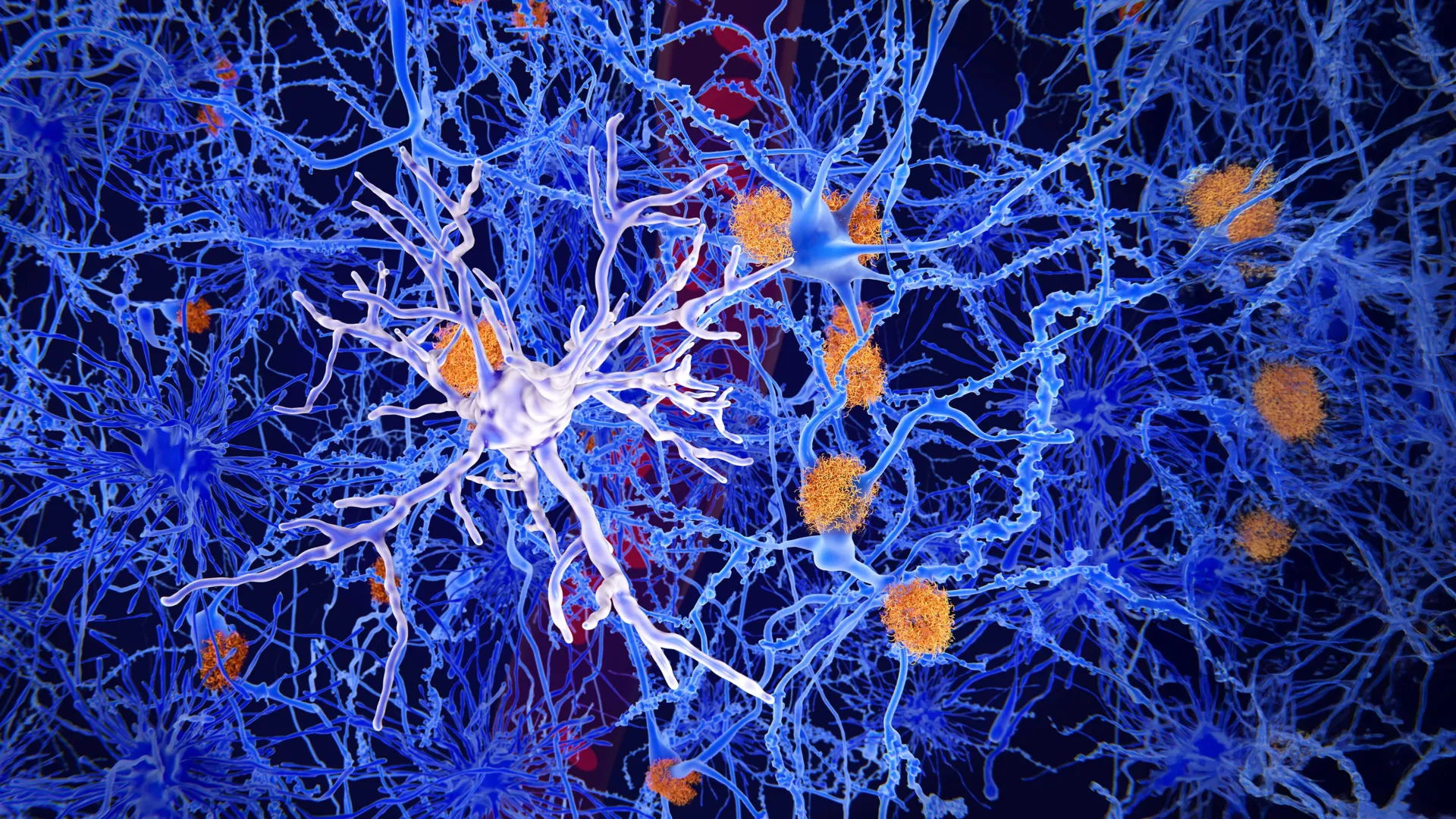
Researchers at the Icahn School of Medicine at Mount Sinai have made significant strides in understanding Alzheimer’s disease by identifying immune cells in the brain that could help slow its progression. These findings, published on November 5, 2025, in the journal Nature, reveal how specific microglia—immune cells in the brain—can reduce inflammation and block the spread of harmful proteins associated with the disease.
Alzheimer’s disease is the most common cause of dementia, and the role of microglia is complex. While these cells can protect the brain by clearing debris, they can also contribute to damage and inflammation under certain conditions. The research team, collaborating with scientists from the Max Planck Institute for Biology and Ageing in Cologne, Germany, and other institutions, discovered a unique subset of microglia that appear to offer protective benefits against Alzheimer’s.
In the study, researchers found that microglia exhibiting low levels of a transcription factor known as PU.1 and high expression of a receptor called CD28 play a crucial role in controlling inflammation in the brain. These specialized microglia not only help slow the buildup of amyloid plaques but also inhibit the spread of toxic tau proteins, both of which are hallmark features of Alzheimer’s.
How these protective microglia function is particularly noteworthy. Using mouse models of Alzheimer’s, as well as human brain cells and tissue samples, the team demonstrated that lowering PU.1 levels prompts microglia to express receptors typically found in lymphoid cells, which are vital for immune regulation. Although this protective subset constitutes only a small portion of total microglia, their influence is significant, as they help suppress widespread inflammation and preserve memory in mice.
When the researchers removed CD28 from this microglial subset, they observed an increase in inflammation and plaque formation. This confirmed that CD28 is essential for maintaining the protective capabilities of these cells.
Anne Schaefer, MD, PhD, a professor in the Nash Family Department of Neuroscience at the Icahn School of Medicine and a senior author of the study, stated, “Microglia are not simply destructive responders in Alzheimer’s disease—they can become the brain’s protectors.” She emphasized the importance of international collaboration in advancing scientific understanding of complex conditions like Alzheimer’s.
In addition, Alexander Tarakhovsky, MD, PhD, from The Rockefeller University, noted that this discovery highlights how molecules known for their roles in B and T lymphocytes also influence microglial activity. He pointed out that the findings pave the way for new immunotherapeutic strategies targeting Alzheimer’s disease.
The study also builds on prior genetic research led by Alison M. Goate, DPhil, who identified a genetic variant in the SPI1 gene, responsible for producing PU.1, linked to a reduced risk of developing Alzheimer’s disease. Dr. Goate commented, “These results provide a mechanistic explanation for why lower PU.1 levels are linked to reduced Alzheimer’s disease risk.”
The relationship between PU.1 and CD28 opens up a new molecular framework for understanding microglial functions and suggests that targeting these immune cells could significantly alter the course of Alzheimer’s.
This research was supported by several prestigious organizations, including the National Institutes of Health, the European Research Council, and the Alzheimer’s Association, among others. The findings represent a pivotal step forward in the quest for effective therapies for Alzheimer’s disease, offering hope to millions affected by this devastating condition.

Robinhood Stock Surges 2.5% Today Amid Tech Market Recovery

Philadelphia’s Earth Month Kicks Off with Free Events in Parks

GSK’s Inhaler Decision Sparks Health Concerns for Children

Bradford’s Fish Fry Fridays Offer Community Spirit and Flavor

Speculation Rises on Shutdowns During Trump’s Potential Presidency

Samsung Galaxy Watch 9 to Feature Larger Battery, Report Reveals

Inventors Find New Purpose Through Unconventional Paths

UConn Huskies Aim for Back-to-Back Titles in 2026 NCAA Tournament

U.S. Mine Countermeasure Ships Dock in Malaysia for Logistics Stop

University of Hawaiʻi at Mānoa Joins $25.6M AI Initiative for Disaster Monitoring

$2.2 Million Boost for Cancer Research and Training in Hawaiʻi

ALMA Discovers Companion Orbiting Red Giant Star π 1 Gruis

Sacituzumab Govitecan Shows Promise for HR+/HER2− Breast Cancer

币安人生 Sees $15.92 Million in Trading Volume Amid Market Fluctuations

New Gel Offers Hope for Regrowing Tooth Enamel in Dentistry

CAVA Group Shares Surge 5.1% Amid Mixed Analyst Ratings

Christian Bale in Talks to Join Leonardo DiCaprio in Heat 2

Supreme Court to Review Birthright Citizenship for Children of Immigrants
-
Science9 months ago
University of Hawaiʻi at Mānoa Joins $25.6M AI Initiative for Disaster Monitoring
-
 Health8 months ago
$2.2 Million Boost for Cancer Research and Training in Hawaiʻi
-
 Science9 months ago
ALMA Discovers Companion Orbiting Red Giant Star π 1 Gruis
-
 Health7 months ago
Sacituzumab Govitecan Shows Promise for HR+/HER2− Breast Cancer
-
Politics5 months ago
币安人生 Sees $15.92 Million in Trading Volume Amid Market Fluctuations
-
 Health9 months ago
New Gel Offers Hope for Regrowing Tooth Enamel in Dentistry
-
 Business8 months ago
CAVA Group Shares Surge 5.1% Amid Mixed Analyst Ratings
-
 Entertainment9 months ago
Christian Bale in Talks to Join Leonardo DiCaprio in Heat 2
-
 Politics8 months ago
Supreme Court to Review Birthright Citizenship for Children of Immigrants
-

 Lifestyle9 months ago
Art Deco and Traditional Designs Set to Transform Homes in 2026
-

 Lifestyle8 months ago
Fernando Mendoza Secures Maxwell and O’Brien Awards Ahead of Heisman
-

 World8 months ago
Swiss Residents Reject 50% Inheritance Tax on Wealthy