
Health
Revolutionizing Dementia Care: New Diagnostics and Treatments Emerge

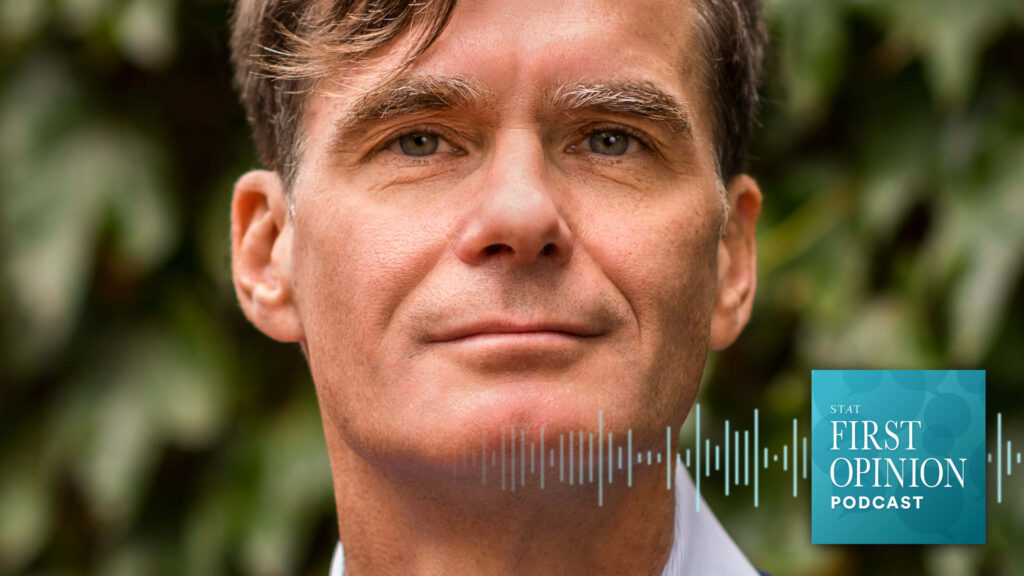
Significant advancements in dementia care are transforming the landscape for patients and healthcare providers. According to Jason Karlawish, a professor of medicine and neurology at the University of Pennsylvania, the field is experiencing a revolution marked by improved diagnostics and effective treatments. In a recent episode of the “First Opinion Podcast,” Karlawish reflected on the changes he has witnessed since he began working with dementia patients in the late 1990s.
In the past, Karlawish had limited options to offer his patients. “I gave them a diagnosis,” he noted, highlighting the struggles faced by practitioners at that time, with few medications available to address the complexities of dementia. Now, advancements in medical technology are enabling healthcare providers to offer more definitive diagnoses and therapeutic options that can slow the progression of the disease.
Transforming the Patient Experience
Karlawish emphasized that each patient’s experience with dementia can vary significantly. “For many patients, I can give you a definitive diagnosis,” he explained. “And for some patients, I can do that and give you a therapy that slows the progression of disease.” This shift represents a notable departure from the understanding of dementia care in the late 20th and early 21st centuries, where options were scarce and outcomes were often uncertain.
The changes in dementia care are part of what Karlawish describes as the “democratization of dementia.” This term refers to the increasing accessibility of advanced diagnostics and effective treatments, which are now becoming available to a broader range of patients. As these improvements take root, the U.S. medical system must adapt to incorporate these innovations into standard practice.
Healthcare professionals are urged to stay informed about these developments, as they hold the potential to significantly enhance patient quality of life. The ongoing evolution in dementia care calls for a collaborative effort among medical practitioners, researchers, and healthcare policymakers to ensure that patients benefit from the latest advancements.
Staying Informed and Engaged
Listeners interested in learning more about these advancements can tune into the “First Opinion Podcast,” available on platforms such as Apple Podcasts and Spotify. Subscribers can also receive updates about new episodes by signing up for the podcast’s newsletter, which provides insights into the latest trends and discussions in healthcare.
The conversation surrounding dementia care is evolving, and continued public interest will be essential to drive further innovations. As the medical community embraces these changes, the future of dementia care appears more promising than ever.

Robinhood Stock Surges 2.5% Today Amid Tech Market Recovery

Philadelphia’s Earth Month Kicks Off with Free Events in Parks

GSK’s Inhaler Decision Sparks Health Concerns for Children

Bradford’s Fish Fry Fridays Offer Community Spirit and Flavor

Speculation Rises on Shutdowns During Trump’s Potential Presidency

Samsung Galaxy Watch 9 to Feature Larger Battery, Report Reveals

Inventors Find New Purpose Through Unconventional Paths

UConn Huskies Aim for Back-to-Back Titles in 2026 NCAA Tournament

U.S. Mine Countermeasure Ships Dock in Malaysia for Logistics Stop

University of Hawaiʻi at Mānoa Joins $25.6M AI Initiative for Disaster Monitoring

$2.2 Million Boost for Cancer Research and Training in Hawaiʻi

ALMA Discovers Companion Orbiting Red Giant Star π 1 Gruis

Sacituzumab Govitecan Shows Promise for HR+/HER2− Breast Cancer

币安人生 Sees $15.92 Million in Trading Volume Amid Market Fluctuations

New Gel Offers Hope for Regrowing Tooth Enamel in Dentistry

CAVA Group Shares Surge 5.1% Amid Mixed Analyst Ratings

Christian Bale in Talks to Join Leonardo DiCaprio in Heat 2

Supreme Court to Review Birthright Citizenship for Children of Immigrants
-
Science9 months ago
University of Hawaiʻi at Mānoa Joins $25.6M AI Initiative for Disaster Monitoring
-
 Health8 months ago
$2.2 Million Boost for Cancer Research and Training in Hawaiʻi
-
 Science9 months ago
ALMA Discovers Companion Orbiting Red Giant Star π 1 Gruis
-
 Health7 months ago
Sacituzumab Govitecan Shows Promise for HR+/HER2− Breast Cancer
-
Politics5 months ago
币安人生 Sees $15.92 Million in Trading Volume Amid Market Fluctuations
-
 Health9 months ago
New Gel Offers Hope for Regrowing Tooth Enamel in Dentistry
-
 Business8 months ago
CAVA Group Shares Surge 5.1% Amid Mixed Analyst Ratings
-
 Entertainment9 months ago
Christian Bale in Talks to Join Leonardo DiCaprio in Heat 2
-
 Politics8 months ago
Supreme Court to Review Birthright Citizenship for Children of Immigrants
-

 Lifestyle9 months ago
Art Deco and Traditional Designs Set to Transform Homes in 2026
-

 Lifestyle8 months ago
Fernando Mendoza Secures Maxwell and O’Brien Awards Ahead of Heisman
-

 World8 months ago
Swiss Residents Reject 50% Inheritance Tax on Wealthy