
Health
Scientists Pioneer Innovative Treatment for Autoimmune Diseases

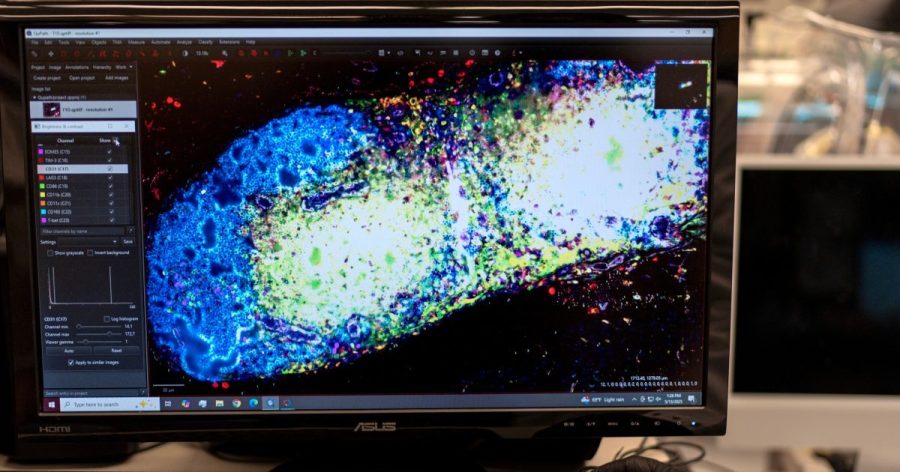
Researchers are undertaking a groundbreaking approach to treat autoimmune diseases, including rheumatoid arthritis, multiple sclerosis, and lupus. This new strategy aims to address the underlying causes of these conditions rather than merely alleviating symptoms.
The initiative, led by a team at the University of California, San Francisco, has garnered significant attention for its innovative methods. The project received funding of $2 million from the National Institutes of Health to explore therapies that target immune system function directly.
Transformative Strategies in Autoimmune Research
Typically, treatments for autoimmune diseases involve long-term medication to manage symptoms. However, this research takes a different route by focusing on reprogramming immune cells. Dr. Jennifer Smith, the lead researcher, explains that the goal is to retrain the immune system to respond appropriately to the body’s own tissues.
In preliminary studies, scientists have observed promising results in animal models, where the new therapies significantly reduced disease severity and improved overall health. The approach involves engineering immune cells to enhance their ability to recognize and eliminate harmful agents without attacking the body’s own cells.
This innovative method could potentially shift the landscape of treatment for millions of patients suffering from autoimmune diseases. Currently, around 50 million people are affected by these conditions in the United States alone.
Next Steps and Outlook
As the research progresses, the team plans to initiate clinical trials in 2024. These trials will be crucial in assessing the safety and efficacy of the new treatment in human subjects. The innovative therapy could provide a much-needed alternative for patients who have limited options and often experience debilitating side effects from existing medications.
The implications of this research extend beyond individual treatment. If successful, it could pave the way for similar strategies targeting other autoimmune conditions, enhancing the quality of life for many.
The scientific community is closely monitoring these developments, and the enthusiasm surrounding this research indicates a potential turning point in the management of autoimmune diseases. Dr. Smith emphasizes that while challenges remain, the promise of a more effective treatment paradigm is on the horizon, offering hope to those affected by these challenging conditions.

Robinhood Stock Surges 2.5% Today Amid Tech Market Recovery

Philadelphia’s Earth Month Kicks Off with Free Events in Parks

GSK’s Inhaler Decision Sparks Health Concerns for Children

Bradford’s Fish Fry Fridays Offer Community Spirit and Flavor

Speculation Rises on Shutdowns During Trump’s Potential Presidency

Samsung Galaxy Watch 9 to Feature Larger Battery, Report Reveals

Inventors Find New Purpose Through Unconventional Paths

UConn Huskies Aim for Back-to-Back Titles in 2026 NCAA Tournament

U.S. Mine Countermeasure Ships Dock in Malaysia for Logistics Stop

University of Hawaiʻi at Mānoa Joins $25.6M AI Initiative for Disaster Monitoring

$2.2 Million Boost for Cancer Research and Training in Hawaiʻi

ALMA Discovers Companion Orbiting Red Giant Star π 1 Gruis

Sacituzumab Govitecan Shows Promise for HR+/HER2− Breast Cancer

币安人生 Sees $15.92 Million in Trading Volume Amid Market Fluctuations

New Gel Offers Hope for Regrowing Tooth Enamel in Dentistry

CAVA Group Shares Surge 5.1% Amid Mixed Analyst Ratings

Christian Bale in Talks to Join Leonardo DiCaprio in Heat 2

Supreme Court to Review Birthright Citizenship for Children of Immigrants
-
Science9 months ago
University of Hawaiʻi at Mānoa Joins $25.6M AI Initiative for Disaster Monitoring
-
 Health8 months ago
$2.2 Million Boost for Cancer Research and Training in Hawaiʻi
-
 Science9 months ago
ALMA Discovers Companion Orbiting Red Giant Star π 1 Gruis
-
 Health7 months ago
Sacituzumab Govitecan Shows Promise for HR+/HER2− Breast Cancer
-
Politics5 months ago
币安人生 Sees $15.92 Million in Trading Volume Amid Market Fluctuations
-
 Health9 months ago
New Gel Offers Hope for Regrowing Tooth Enamel in Dentistry
-
 Business8 months ago
CAVA Group Shares Surge 5.1% Amid Mixed Analyst Ratings
-
 Entertainment9 months ago
Christian Bale in Talks to Join Leonardo DiCaprio in Heat 2
-
 Politics8 months ago
Supreme Court to Review Birthright Citizenship for Children of Immigrants
-

 Lifestyle9 months ago
Art Deco and Traditional Designs Set to Transform Homes in 2026
-

 Lifestyle8 months ago
Fernando Mendoza Secures Maxwell and O’Brien Awards Ahead of Heisman
-

 World8 months ago
Swiss Residents Reject 50% Inheritance Tax on Wealthy