
Health
Scientists Uncover Link Between Anti-Aging Compound and Cancer Growth

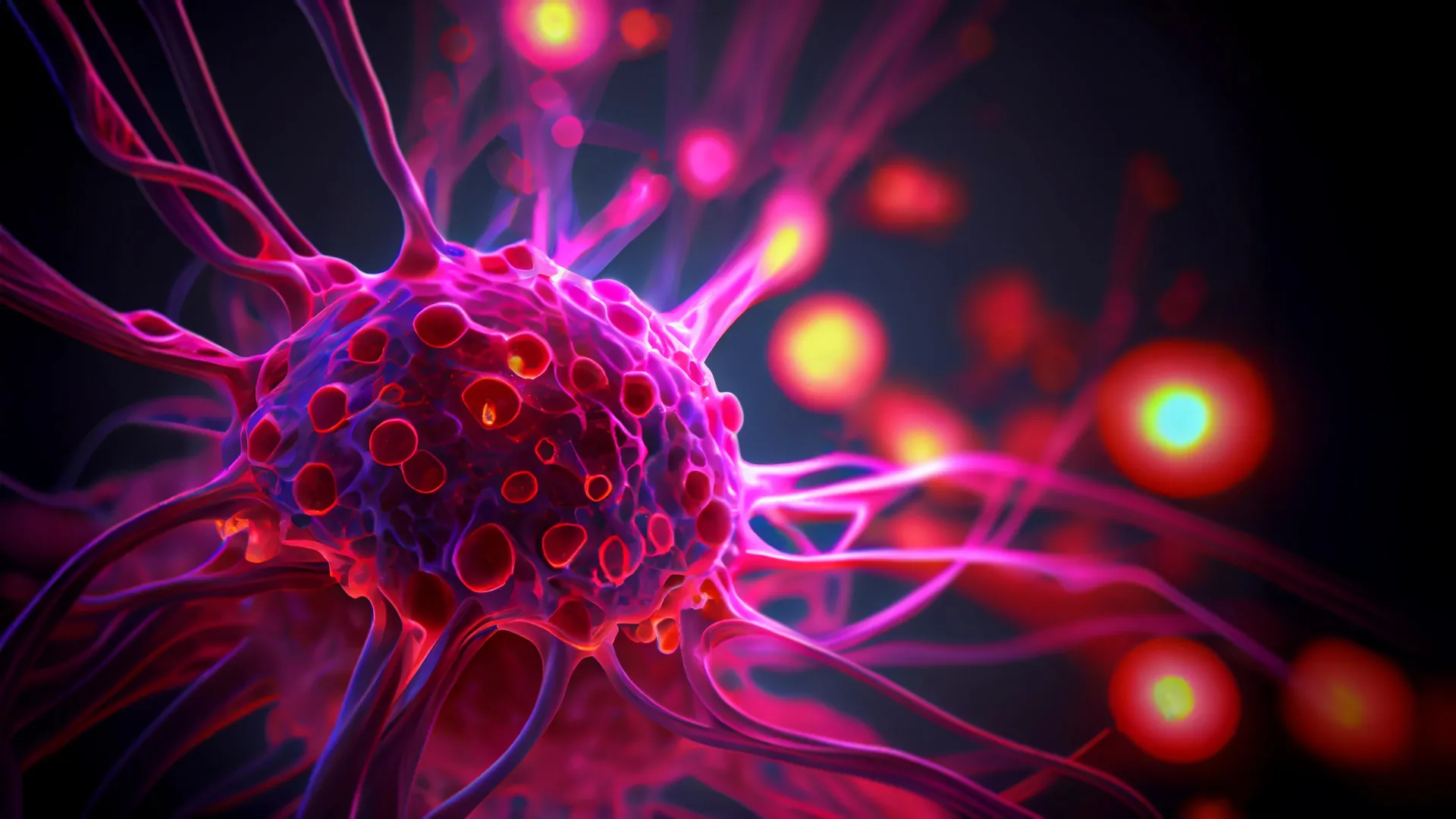
Research from the Tokyo University of Science has revealed a concerning link between polyamines, popular compounds known for their anti-aging properties, and the promotion of cancer cell growth. The study, published on March 2, 2026, in the Journal of Biological Chemistry, indicates that while polyamines, particularly spermidine, may support healthy aging by enhancing cellular cleanup processes, they also appear to play a role in the aggressive growth of tumors.
Polyamines are naturally occurring molecules found in every living cell. They are critical for various biological functions, including cell growth and specialization. Researchers have increasingly focused on their potential benefits for longevity, often describing them as “geroprotectors” due to their ability to stimulate autophagy, a process that helps clear out damaged cellular components. This beneficial effect is largely dependent on a protein known as eukaryotic translation initiation factor 5A (eIF5A1).
Despite their positive implications for healthy aging, high levels of polyamines have been consistently linked to cancer, where they are associated with aggressive tumor proliferation. This paradox has presented a perplexing scientific dilemma: how can molecules that seem to promote longevity also contribute to cancer?
Exploring the Molecular Mechanisms
The relationship between polyamines and cancer has been acknowledged for some time, yet the intricate mechanisms driving their role in tumor progression have remained elusive. Cancer cells often alter their metabolism, heavily relying on aerobic glycolysis for rapid energy generation. The impact of polyamines on this metabolic shift, however, has not been thoroughly understood.
To address this issue, a research team led by Associate Professor Kyohei Higashi at the Tokyo University of Science conducted a comprehensive study employing advanced molecular and proteomic techniques. Their findings clarify how polyamines promote cancer cell growth through biological pathways distinct from those that support healthy aging. By manipulating polyamine levels in human cancer cell lines, the researchers evaluated their effects on protein production and metabolism.
By utilizing high-resolution proteomics, the team examined alterations in over 6,700 proteins. They discovered that polyamines primarily enhance glycolysis—the rapid conversion of glucose into energy—rather than boosting mitochondrial respiration, which is more closely associated with healthy aging. Additionally, the study revealed that polyamines elevate levels of eIF5A2 and several ribosomal proteins, including RPS 27A, RPL36AL, and RPL22L1, all of which correlate with the severity of cancer.
Distinct Roles of eIF5A Proteins
A comparative analysis of eIF5A1 and eIF5A2 provided vital insights into their contrasting functions in normal and cancerous tissues. According to Dr. Higashi, “The biological activity of polyamines via eIF5A differs between normal and cancer tissues. In normal tissues, eIF5A1, activated by polyamines, stimulates mitochondria through autophagy. In contrast, in cancer tissues, eIF5A2, whose synthesis is promoted by polyamines, regulates gene expression at the translational level, facilitating the proliferation of cancer cells.” This indicates that polyamines have markedly different effects based on which protein they influence.
Further experimentation revealed how polyamines increase levels of eIF5A2. Typically, the production of eIF5A2 is restrained by a small regulatory RNA molecule known as miR-6514-5p. The researchers found that polyamines disrupt this regulatory mechanism, leading to heightened production of eIF5A2. Moreover, they established that eIF5A2 governs a distinct set of proteins compared to eIF5A1, underscoring their separate roles.
The implications of these findings are significant for cancer therapy and the safety of polyamine supplements. The results highlight the importance of biological context; in healthy tissues, polyamines may provide anti-aging benefits via eIF5A1, while in cancerous tissues, they can stimulate tumor growth through eIF5A2. This dual behavior complicates the interpretation of polyamines in medical research.
Dr. Higashi noted that targeting eIF5A2 specifically could potentially slow cancer progression without diminishing the beneficial effects associated with eIF5A1. “Our findings reveal an important role for eIF5A2, regulated by polyamines and miR-6514-5p, in cancer cell proliferation. The interaction between eIF5A2 and ribosomes, which regulates cancer progression, is a selective target for cancer treatment,” he remarked.
This research represents a pivotal advancement in understanding the complex and sometimes contradictory roles of polyamines. Future studies may facilitate the development of strategies that maintain the positive impacts of polyamines on healthy aging while mitigating their potential to promote cancer. The research received support from a Grant-in-Aid for Scientific Research (C) from the Japan Society for the Promotion of Science, as well as contributions from the Hamaguchi Foundation for the Advancement of Biochemistry and the Cancer Research Institute at Kanazawa University, Japan.

Robinhood Stock Surges 2.5% Today Amid Tech Market Recovery

Philadelphia’s Earth Month Kicks Off with Free Events in Parks

GSK’s Inhaler Decision Sparks Health Concerns for Children

Bradford’s Fish Fry Fridays Offer Community Spirit and Flavor

Speculation Rises on Shutdowns During Trump’s Potential Presidency

Samsung Galaxy Watch 9 to Feature Larger Battery, Report Reveals

Inventors Find New Purpose Through Unconventional Paths

UConn Huskies Aim for Back-to-Back Titles in 2026 NCAA Tournament

U.S. Mine Countermeasure Ships Dock in Malaysia for Logistics Stop

University of Hawaiʻi at Mānoa Joins $25.6M AI Initiative for Disaster Monitoring

$2.2 Million Boost for Cancer Research and Training in Hawaiʻi

ALMA Discovers Companion Orbiting Red Giant Star π 1 Gruis

Sacituzumab Govitecan Shows Promise for HR+/HER2− Breast Cancer

币安人生 Sees $15.92 Million in Trading Volume Amid Market Fluctuations

New Gel Offers Hope for Regrowing Tooth Enamel in Dentistry

CAVA Group Shares Surge 5.1% Amid Mixed Analyst Ratings

Christian Bale in Talks to Join Leonardo DiCaprio in Heat 2

Supreme Court to Review Birthright Citizenship for Children of Immigrants
-
Science8 months ago
University of Hawaiʻi at Mānoa Joins $25.6M AI Initiative for Disaster Monitoring
-
 Health7 months ago
$2.2 Million Boost for Cancer Research and Training in Hawaiʻi
-
 Science8 months ago
ALMA Discovers Companion Orbiting Red Giant Star π 1 Gruis
-
 Health7 months ago
Sacituzumab Govitecan Shows Promise for HR+/HER2− Breast Cancer
-
Politics4 months ago
币安人生 Sees $15.92 Million in Trading Volume Amid Market Fluctuations
-
 Health8 months ago
New Gel Offers Hope for Regrowing Tooth Enamel in Dentistry
-
 Business7 months ago
CAVA Group Shares Surge 5.1% Amid Mixed Analyst Ratings
-
 Entertainment8 months ago
Christian Bale in Talks to Join Leonardo DiCaprio in Heat 2
-
 Politics7 months ago
Supreme Court to Review Birthright Citizenship for Children of Immigrants
-

 Lifestyle7 months ago
Fernando Mendoza Secures Maxwell and O’Brien Awards Ahead of Heisman
-

 Lifestyle8 months ago
Art Deco and Traditional Designs Set to Transform Homes in 2026
-

 World7 months ago
Swiss Residents Reject 50% Inheritance Tax on Wealthy