
Health
Study Links Ultra-Processed Foods to Rising Colon Cancer Risk

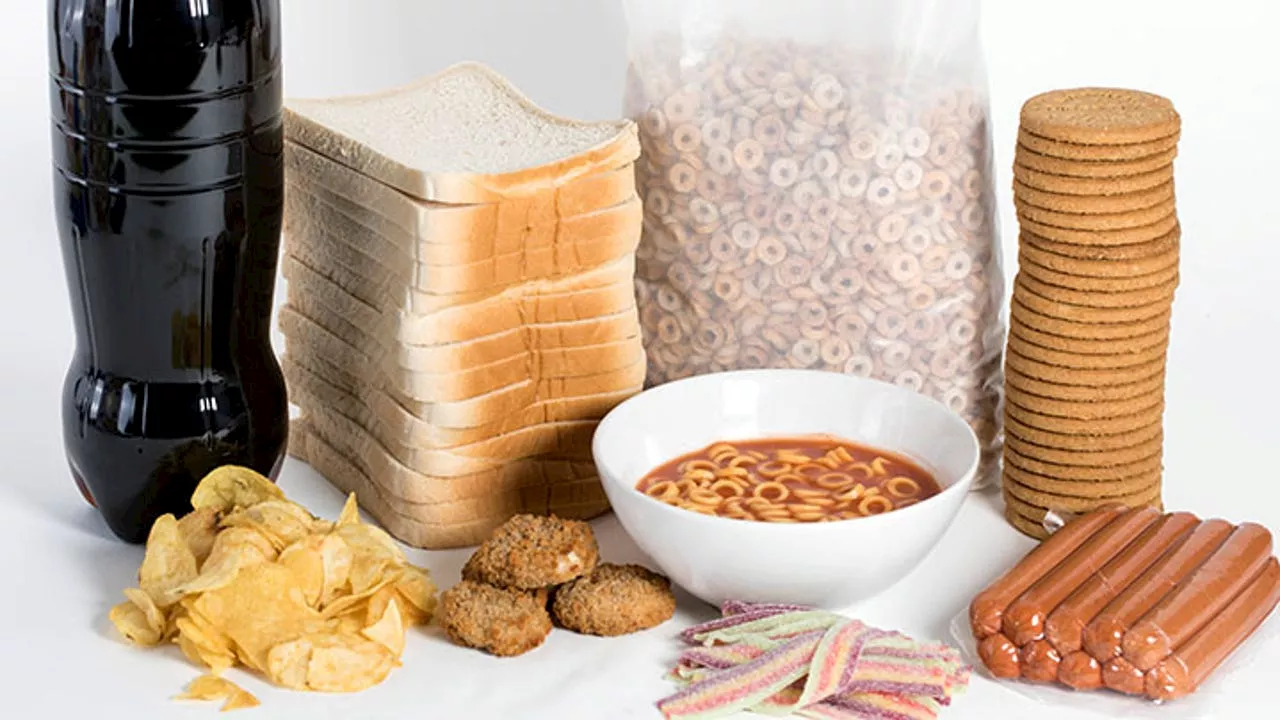
A recent study has established a concerning connection between ultra-processed foods and an increased risk of early signs of colon cancer in young adults. The research, conducted by the Mass General Brigham Cancer Institute, analyzed data from nearly 30,000 young and healthy women, revealing that higher consumption of these foods correlates with a greater likelihood of developing precancerous lesions known as colon adenomas.
Ultra-processed foods encompass products like boxed soups, frozen meals, and items with extended shelf lives. These foods, prevalent in American diets since the 1970s, 1980s, and 1990s, often contain industrial ingredients not typically found in home kitchens. According to public health estimates, they account for around 70% of the average American diet, raising alarm among health experts.
Dr. Katherine Van Loon, a professor at UCSF and director of the UCS Global Cancer Program, emphasized the significance of these findings in understanding the rise of colorectal cancer in younger populations. “Every patient in my clinic is very, very young,” Dr. Van Loon explained. “We’re seeing decreasing rates in people over 45, but rising rates in younger people. This is resulting in a rising mortality rate from an otherwise preventable disease.”
Previous studies have linked early-onset colorectal cancer to factors like obesity, Type 2 diabetes, sedentary lifestyles, and diets high in red and processed meats. However, Dr. Van Loon noted that many young patients she encounters do not fit these patterns, highlighting the need for further investigation into dietary influences. “That’s why this study is so important,” she stated. “It adds another layer to what may be driving this epidemic.”
While the research did not specify which ultra-processed foods were most concerning, Dr. Van Loon mentioned that these often include convenience products familiar to many Americans. She remains optimistic about the possibility of reversing unhealthy dietary trends. “We know from tobacco research that when someone stops smoking, their cancer risk decreases,” she remarked, suggesting that similar interventions could mitigate the effects of long-term ultra-processed food consumption.
To promote healthier habits, Dr. Van Loon advocates for prioritizing fresh foods, such as vegetables and unprocessed meats. She also underscores the importance of regular screening for colorectal cancer, particularly for individuals aged 45 and older. “If someone is experiencing bowel changes, blood in their stool, abdominal pain, cramping, or unexplained weight loss, they should see a doctor,” she advised. “Just because you’re not yet 45 doesn’t mean those symptoms don’t need medical attention.”
Dr. Van Loon believes that increasing awareness and encouraging earlier medical action could help counteract the troubling trend of rising colorectal cancer diagnoses among younger adults. By fostering healthier eating habits and taking symptoms seriously, there is hope for reversing the impacts of a diet heavily reliant on ultra-processed foods.

Robinhood Stock Surges 2.5% Today Amid Tech Market Recovery

Philadelphia’s Earth Month Kicks Off with Free Events in Parks

GSK’s Inhaler Decision Sparks Health Concerns for Children

Bradford’s Fish Fry Fridays Offer Community Spirit and Flavor

Speculation Rises on Shutdowns During Trump’s Potential Presidency

Samsung Galaxy Watch 9 to Feature Larger Battery, Report Reveals

Inventors Find New Purpose Through Unconventional Paths

UConn Huskies Aim for Back-to-Back Titles in 2026 NCAA Tournament

U.S. Mine Countermeasure Ships Dock in Malaysia for Logistics Stop

University of Hawaiʻi at Mānoa Joins $25.6M AI Initiative for Disaster Monitoring

$2.2 Million Boost for Cancer Research and Training in Hawaiʻi

ALMA Discovers Companion Orbiting Red Giant Star π 1 Gruis

Sacituzumab Govitecan Shows Promise for HR+/HER2− Breast Cancer

币安人生 Sees $15.92 Million in Trading Volume Amid Market Fluctuations

New Gel Offers Hope for Regrowing Tooth Enamel in Dentistry

CAVA Group Shares Surge 5.1% Amid Mixed Analyst Ratings

Christian Bale in Talks to Join Leonardo DiCaprio in Heat 2

Supreme Court to Review Birthright Citizenship for Children of Immigrants
-
Science9 months ago
University of Hawaiʻi at Mānoa Joins $25.6M AI Initiative for Disaster Monitoring
-
 Health8 months ago
$2.2 Million Boost for Cancer Research and Training in Hawaiʻi
-
 Science9 months ago
ALMA Discovers Companion Orbiting Red Giant Star π 1 Gruis
-
 Health7 months ago
Sacituzumab Govitecan Shows Promise for HR+/HER2− Breast Cancer
-
Politics5 months ago
币安人生 Sees $15.92 Million in Trading Volume Amid Market Fluctuations
-
 Health9 months ago
New Gel Offers Hope for Regrowing Tooth Enamel in Dentistry
-
 Business8 months ago
CAVA Group Shares Surge 5.1% Amid Mixed Analyst Ratings
-
 Entertainment9 months ago
Christian Bale in Talks to Join Leonardo DiCaprio in Heat 2
-
 Politics8 months ago
Supreme Court to Review Birthright Citizenship for Children of Immigrants
-

 Lifestyle9 months ago
Art Deco and Traditional Designs Set to Transform Homes in 2026
-

 Lifestyle8 months ago
Fernando Mendoza Secures Maxwell and O’Brien Awards Ahead of Heisman
-

 World8 months ago
Swiss Residents Reject 50% Inheritance Tax on Wealthy