
Health
Trump Proposes Insurance Cuts, Faces Doubts on Savings Impact

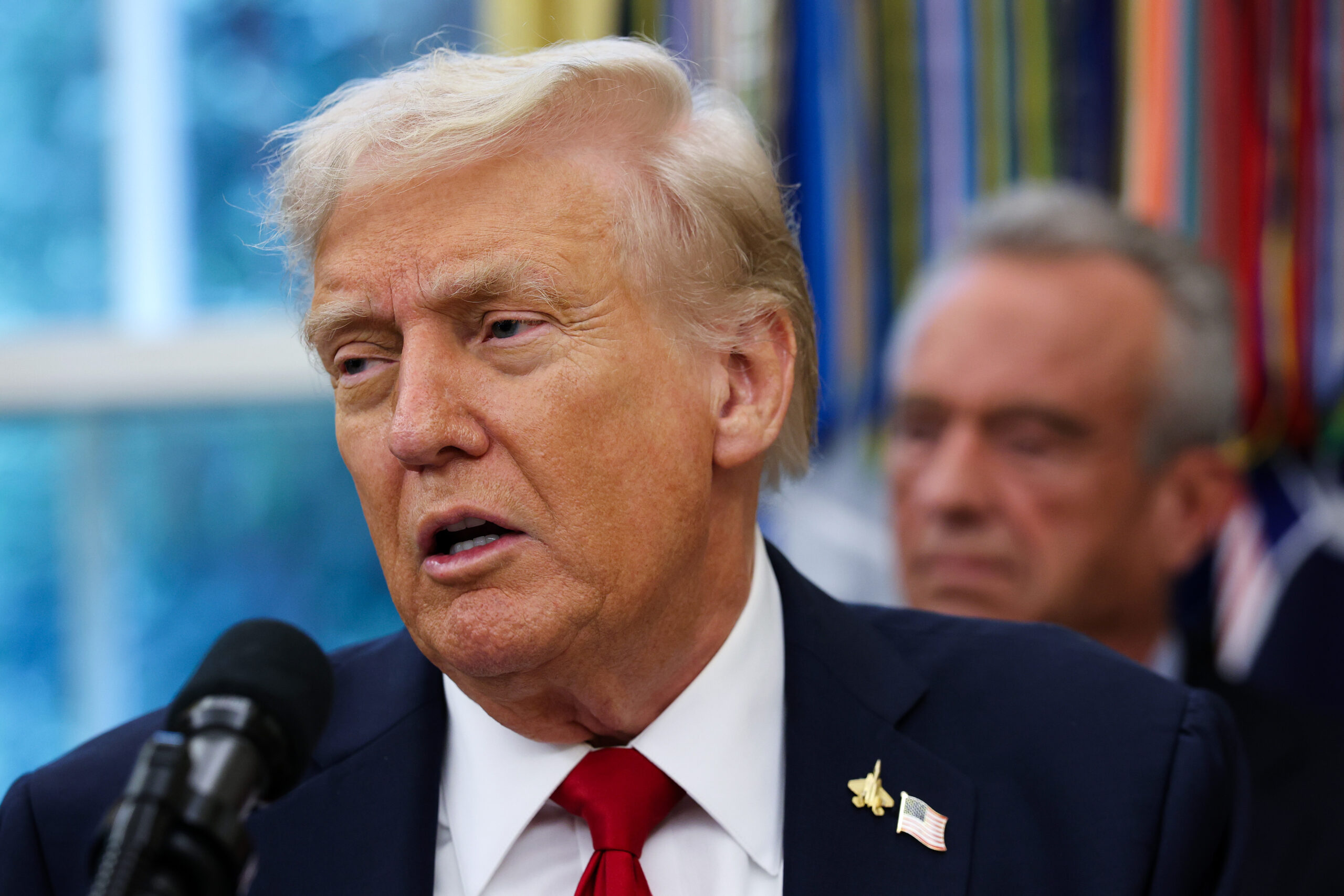
Former President Donald Trump has unveiled a plan aimed at persuading health insurance companies to voluntarily reduce their prices. This initiative, introduced in March 2024, seeks to address escalating healthcare costs in the United States. However, many experts and industry insiders are expressing skepticism about the potential for lasting savings from such voluntary measures.
Critics argue that insurance companies may not have sufficient incentive to implement significant price reductions. Historically, the healthcare sector has shown resistance to changes that could impact their profit margins. The challenge lies in the deeply entrenched nature of healthcare pricing and the complex relationships between insurers, providers, and consumers.
In recent years, healthcare costs in the U.S. have continued to rise sharply, straining household budgets. According to the Kaiser Family Foundation, the average premium for employer-sponsored family coverage reached approximately $22,000 in 2023. This figure puts immense pressure on American families, making Trump’s proposal particularly poignant.
The plan’s reliance on voluntary cooperation from insurers raises questions about its feasibility. Michael Cohen, a healthcare policy expert, stated, “While the intention behind reducing costs is commendable, the reality is that insurers often prioritize profitability over consumer savings.” His comments highlight the fundamental challenge facing Trump’s initiative: transforming a voluntary program into one that yields concrete benefits for the public.
Moreover, there is concern that without regulatory pressure or incentives, insurers may choose to maintain the status quo. This skepticism is echoed by Dr. Lisa Thompson, a health economist, who remarked, “Voluntary cuts are unlikely to lead to meaningful change. We need systemic reforms that encourage competition and transparency in pricing.”
As discussions around healthcare reform continue, Trump’s proposal has sparked a broader dialogue about the future of healthcare costs in America. Stakeholders from various sectors, including legislators, healthcare providers, and consumer advocates, are closely monitoring the situation.
The effectiveness of Trump’s plan will largely depend on the response from health insurance companies and whether they are willing to prioritize consumer savings over profits. For many Americans, the hope is that any initiative can lead to a more affordable healthcare system.
In summary, while the proposal to lower insurance prices may resonate with the public’s desire for more affordable healthcare, the inherent skepticism about its implementation underscores the complexities of the U.S. healthcare landscape. As the situation evolves, both policymakers and consumers will be watching closely to see if any tangible improvements emerge from this latest effort to rein in costs.

Robinhood Stock Surges 2.5% Today Amid Tech Market Recovery

Philadelphia’s Earth Month Kicks Off with Free Events in Parks

GSK’s Inhaler Decision Sparks Health Concerns for Children

Bradford’s Fish Fry Fridays Offer Community Spirit and Flavor

Speculation Rises on Shutdowns During Trump’s Potential Presidency

Samsung Galaxy Watch 9 to Feature Larger Battery, Report Reveals

Inventors Find New Purpose Through Unconventional Paths

UConn Huskies Aim for Back-to-Back Titles in 2026 NCAA Tournament

U.S. Mine Countermeasure Ships Dock in Malaysia for Logistics Stop

University of Hawaiʻi at Mānoa Joins $25.6M AI Initiative for Disaster Monitoring

$2.2 Million Boost for Cancer Research and Training in Hawaiʻi

ALMA Discovers Companion Orbiting Red Giant Star π 1 Gruis

Sacituzumab Govitecan Shows Promise for HR+/HER2− Breast Cancer

币安人生 Sees $15.92 Million in Trading Volume Amid Market Fluctuations

New Gel Offers Hope for Regrowing Tooth Enamel in Dentistry

CAVA Group Shares Surge 5.1% Amid Mixed Analyst Ratings

Christian Bale in Talks to Join Leonardo DiCaprio in Heat 2

Supreme Court to Review Birthright Citizenship for Children of Immigrants
-
Science9 months ago
University of Hawaiʻi at Mānoa Joins $25.6M AI Initiative for Disaster Monitoring
-
 Health7 months ago
$2.2 Million Boost for Cancer Research and Training in Hawaiʻi
-
 Science9 months ago
ALMA Discovers Companion Orbiting Red Giant Star π 1 Gruis
-
 Health7 months ago
Sacituzumab Govitecan Shows Promise for HR+/HER2− Breast Cancer
-
Politics5 months ago
币安人生 Sees $15.92 Million in Trading Volume Amid Market Fluctuations
-
 Health9 months ago
New Gel Offers Hope for Regrowing Tooth Enamel in Dentistry
-
 Business8 months ago
CAVA Group Shares Surge 5.1% Amid Mixed Analyst Ratings
-
 Entertainment8 months ago
Christian Bale in Talks to Join Leonardo DiCaprio in Heat 2
-
 Politics8 months ago
Supreme Court to Review Birthright Citizenship for Children of Immigrants
-

 Lifestyle8 months ago
Art Deco and Traditional Designs Set to Transform Homes in 2026
-

 Lifestyle8 months ago
Fernando Mendoza Secures Maxwell and O’Brien Awards Ahead of Heisman
-

 World8 months ago
Swiss Residents Reject 50% Inheritance Tax on Wealthy