
Health
Understanding Alcohol Use Disorder: Brain Changes and Treatment Options

Approximately 27 million adults in the United States struggled with alcohol use disorder in 2024, according to the National Survey on Drug Use and Health. This staggering figure highlights a significant public health issue that affects individuals and families across the nation. Understanding how alcohol alters brain function can be a vital step toward recovery for those affected and their loved ones.
How Alcohol Affects the Brain
Alcohol addiction does not develop overnight. It often begins with occasional drinking that evolves into a pattern of dependence. With repeated alcohol consumption, the brain adapts, resulting in a condition known as tolerance, where increased amounts of alcohol are needed to achieve the same effects. When an individual stops drinking, withdrawal symptoms such as tremors, anxiety, and in severe cases, medical complications may arise, necessitating professional intervention.
Simultaneously, psychological dependence intensifies. Individuals may find themselves craving alcohol to manage stress, feeling unsettled without it, or scheduling their day around drinking. These changes can make quitting particularly challenging, regardless of one’s determination.
Recognizing the signs of alcohol addiction is crucial. Physical symptoms can include:
– A need for greater amounts of alcohol to achieve the desired effect
– Sleep disturbances or changes in appetite
– Physical symptoms such as shakiness, sweating, or nausea when not drinking
Psychological and behavioral signs may consist of:
– Drinking more frequently or in larger quantities than intended
– Concealing or lying about alcohol consumption
– Neglecting responsibilities at work, home, or in personal interests
– Experiencing mood swings, anxiety, or depression
– Engaging in risky behaviors, such as driving under the influence
Treatment Options for Alcohol Use Disorder
The encouraging news is that addiction is a chronic but treatable medical condition, akin to diabetes or heart disease. Like these illnesses, recovery can involve periods of relapse; however, with appropriate treatment, many individuals find a path to improvement.
Treatment for alcohol use disorder varies, with options including inpatient and outpatient programs, telehealth, counseling, and support groups. Many find success through a combined approach known as Medication-Assisted Treatment (MAT). This method integrates various strategies, which may include:
– **Talk therapy**: Licensed counselors assist individuals in developing coping skills, managing triggers, and enhancing relationships. Sessions can take place one-on-one, in groups, or with family members.
– **Medications**: Non-addictive medications can help reduce cravings and prevent relapse, typically prescribed by addiction specialists or primary care providers.
Modern treatment programs offer unprecedented flexibility, allowing individuals to continue working and fulfilling family responsibilities while receiving care.
If you or someone you know is struggling with alcohol use, it is essential to take the first step by speaking with a healthcare provider. Recovery is achievable, and with the right support, both the brain and overall well-being can heal.
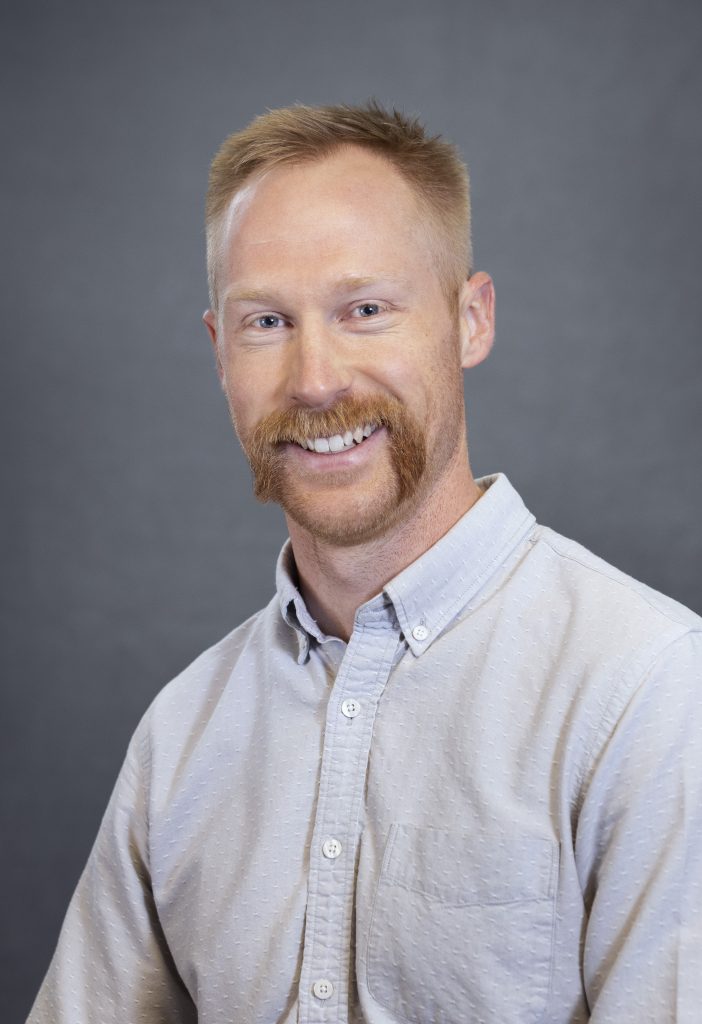
Dr. Jacob Marquette, Medical Director at Barton Community Health Center, emphasizes that accessing services for alcohol use disorder is critical. The center provides medication-assisted treatment to support individuals facing substance use disorders. For more information on available treatment options, visit BartonHealth.org.

Robinhood Stock Surges 2.5% Today Amid Tech Market Recovery

Philadelphia’s Earth Month Kicks Off with Free Events in Parks

GSK’s Inhaler Decision Sparks Health Concerns for Children

Bradford’s Fish Fry Fridays Offer Community Spirit and Flavor

Speculation Rises on Shutdowns During Trump’s Potential Presidency

Samsung Galaxy Watch 9 to Feature Larger Battery, Report Reveals

Inventors Find New Purpose Through Unconventional Paths

UConn Huskies Aim for Back-to-Back Titles in 2026 NCAA Tournament

U.S. Mine Countermeasure Ships Dock in Malaysia for Logistics Stop

University of Hawaiʻi at Mānoa Joins $25.6M AI Initiative for Disaster Monitoring

$2.2 Million Boost for Cancer Research and Training in Hawaiʻi

ALMA Discovers Companion Orbiting Red Giant Star π 1 Gruis

Sacituzumab Govitecan Shows Promise for HR+/HER2− Breast Cancer

币安人生 Sees $15.92 Million in Trading Volume Amid Market Fluctuations

New Gel Offers Hope for Regrowing Tooth Enamel in Dentistry

CAVA Group Shares Surge 5.1% Amid Mixed Analyst Ratings

Christian Bale in Talks to Join Leonardo DiCaprio in Heat 2

Supreme Court to Review Birthright Citizenship for Children of Immigrants
-
Science9 months ago
University of Hawaiʻi at Mānoa Joins $25.6M AI Initiative for Disaster Monitoring
-
 Health8 months ago
$2.2 Million Boost for Cancer Research and Training in Hawaiʻi
-
 Science9 months ago
ALMA Discovers Companion Orbiting Red Giant Star π 1 Gruis
-
 Health7 months ago
Sacituzumab Govitecan Shows Promise for HR+/HER2− Breast Cancer
-
Politics5 months ago
币安人生 Sees $15.92 Million in Trading Volume Amid Market Fluctuations
-
 Health9 months ago
New Gel Offers Hope for Regrowing Tooth Enamel in Dentistry
-
 Business8 months ago
CAVA Group Shares Surge 5.1% Amid Mixed Analyst Ratings
-
 Entertainment9 months ago
Christian Bale in Talks to Join Leonardo DiCaprio in Heat 2
-
 Politics8 months ago
Supreme Court to Review Birthright Citizenship for Children of Immigrants
-

 Lifestyle9 months ago
Art Deco and Traditional Designs Set to Transform Homes in 2026
-

 Lifestyle8 months ago
Fernando Mendoza Secures Maxwell and O’Brien Awards Ahead of Heisman
-

 World8 months ago
Swiss Residents Reject 50% Inheritance Tax on Wealthy