
Health
Understanding the Rise of the Performative Male in Modern Dating

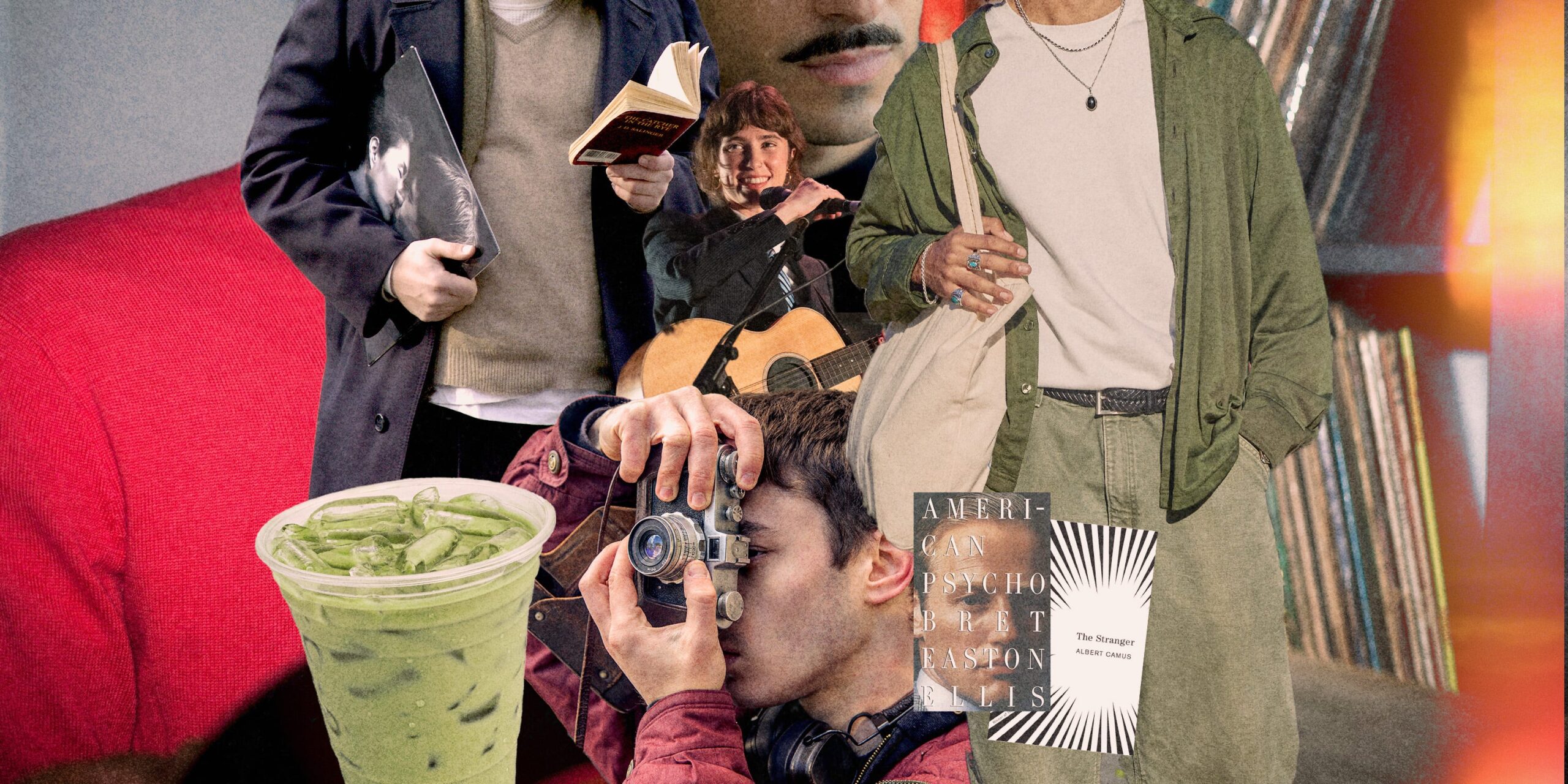
The concept of the “performative male” has recently emerged in discussions about modern dating practices, reflecting a shift in how some men present themselves in the pursuit of romantic relationships. This term characterizes men who adopt certain personas and interests to project emotional intelligence and cultural awareness, often as a strategy to attract potential partners. Rather than revealing their authentic selves, these individuals curate an image designed to resonate with what they believe women desire in a partner.
This phenomenon has gained traction with an increase in online dating, where men sprinkle indicators of emotional depth—such as mentions of therapy, outdoor activities, and family-friendly images—throughout their dating profiles. According to Kyler Shumway, PsyD, a licensed clinical psychologist and founder of Time for Therapy, “It’s masculinity as performance; it’s an identity built for approval instead of authenticity.” This emphasis on optics over genuine personal growth raises questions about the sustainability of such portrayals in long-term relationships.
Exploring the New Norms in Dating
The performative male is not entirely new, as many individuals have historically embellished their dating profiles. However, the rise of social media and influencer culture has amplified this behavior, leading to a cultural shift where authenticity often takes a backseat to curated personas. Recent data indicates that Google searches for the term “performative male” surged in July 2023, coinciding with its addition to Urban Dictionary. Various satirical contests have also emerged, poking fun at this trend, with participants showcasing exaggerated traits typically associated with the performative male.
As Halloween approaches, social media accounts are humorously promoting the performative male as a costume idea, embodying stereotypes that resonate with many. A recent post from @overheardnewyork described typical characteristics, highlighting the irony in this portrayal. While some view this trend as a joke, for others, embodying the performative male persona is a coping mechanism in the dating landscape.
Shumway emphasizes that “masculinity itself isn’t the problem,” but rather the narrow definitions that society imposes on what it means to be a man. The attributes often glorified in these performative roles—confidence, control, and emotional depth—are deeply rooted in a desire for validation. However, as modern dating evolves, these traits may inadvertently lead to superficial connections, leaving individuals feeling unfulfilled.
Bridging the Gap Between Performance and Authenticity
Recent data from Hinge reveals a striking disconnect between what men believe women want and what women actually value in relationships. In an August 2025 survey, 72 percent of women indicated that they prioritize effort in building a relationship over financial wealth. However, men often assume that physical attractiveness and social status are the primary draws for women.
The performative male frequently oscillates between showcasing social prowess and projecting emotional vulnerability, but often in a manner that lacks authenticity. Shumway warns that while such behaviors may yield short-term success in dating, they ultimately hinder personal growth and trust. “You can’t change or grow when you’re always trying to look strong,” he explains.
This performative behavior can create barriers to genuine intimacy. Anna Morgenstern, a New York-based matchmaker, notes that the intent may not be malicious, yet it complicates authentic connections. Women may become skeptical of the dating process, particularly after encountering repeated disappointments with performative individuals.
Moving away from the performative male persona involves self-reflection and a willingness to embrace vulnerability. Shumway encourages individuals to recognize when they are putting on a performance. Engaging in therapy or cultivating friendships that prioritize honesty can aid in this transition. Vulnerability is not synonymous with sharing deep fears but can manifest in everyday expressions of self, fostering deeper connections with others.
In conclusion, while the performative male phenomenon highlights an evolving landscape in dating, it serves as a reminder of the importance of authenticity. By fostering genuine connections, individuals can navigate the complexities of modern relationships with a focus on building intimacy and trust. As societal norms continue to shift, embracing one’s true self may ultimately lead to more meaningful romantic experiences.

Robinhood Stock Surges 2.5% Today Amid Tech Market Recovery

Philadelphia’s Earth Month Kicks Off with Free Events in Parks

GSK’s Inhaler Decision Sparks Health Concerns for Children

Bradford’s Fish Fry Fridays Offer Community Spirit and Flavor

Speculation Rises on Shutdowns During Trump’s Potential Presidency

Samsung Galaxy Watch 9 to Feature Larger Battery, Report Reveals

Inventors Find New Purpose Through Unconventional Paths

UConn Huskies Aim for Back-to-Back Titles in 2026 NCAA Tournament

U.S. Mine Countermeasure Ships Dock in Malaysia for Logistics Stop

University of Hawaiʻi at Mānoa Joins $25.6M AI Initiative for Disaster Monitoring

$2.2 Million Boost for Cancer Research and Training in Hawaiʻi

ALMA Discovers Companion Orbiting Red Giant Star π 1 Gruis

Sacituzumab Govitecan Shows Promise for HR+/HER2− Breast Cancer

币安人生 Sees $15.92 Million in Trading Volume Amid Market Fluctuations

New Gel Offers Hope for Regrowing Tooth Enamel in Dentistry

CAVA Group Shares Surge 5.1% Amid Mixed Analyst Ratings

Christian Bale in Talks to Join Leonardo DiCaprio in Heat 2

Supreme Court to Review Birthright Citizenship for Children of Immigrants
-
Science9 months ago
University of Hawaiʻi at Mānoa Joins $25.6M AI Initiative for Disaster Monitoring
-
 Health8 months ago
$2.2 Million Boost for Cancer Research and Training in Hawaiʻi
-
 Science9 months ago
ALMA Discovers Companion Orbiting Red Giant Star π 1 Gruis
-
 Health7 months ago
Sacituzumab Govitecan Shows Promise for HR+/HER2− Breast Cancer
-
Politics5 months ago
币安人生 Sees $15.92 Million in Trading Volume Amid Market Fluctuations
-
 Health9 months ago
New Gel Offers Hope for Regrowing Tooth Enamel in Dentistry
-
 Business8 months ago
CAVA Group Shares Surge 5.1% Amid Mixed Analyst Ratings
-
 Entertainment9 months ago
Christian Bale in Talks to Join Leonardo DiCaprio in Heat 2
-
 Politics8 months ago
Supreme Court to Review Birthright Citizenship for Children of Immigrants
-

 Lifestyle9 months ago
Art Deco and Traditional Designs Set to Transform Homes in 2026
-

 Lifestyle8 months ago
Fernando Mendoza Secures Maxwell and O’Brien Awards Ahead of Heisman
-

 World8 months ago
Swiss Residents Reject 50% Inheritance Tax on Wealthy