
Lifestyle
Childhood Memories of World War II: A Personal Reflection

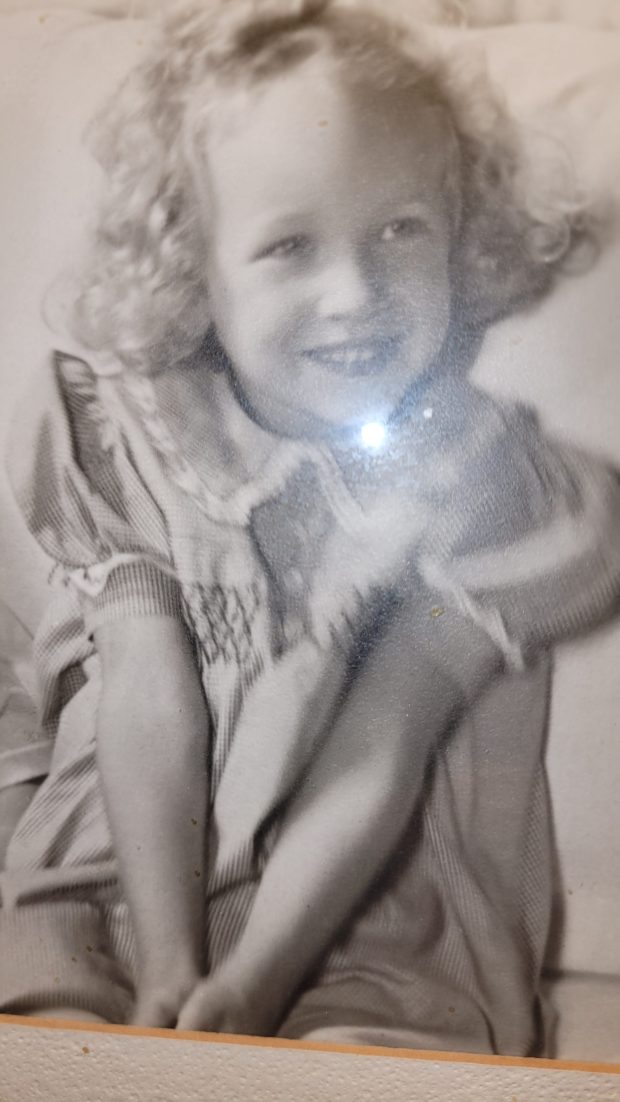
On December 7, 1941, as news of the attack on Pearl Harbor broke, a young child listened to her parents express their shock and fear about the impending war. Lucy Sperlin, then just four years old, reflects on how the war shaped her childhood experiences and her understanding of the world. The following four years would be marked by a mixture of innocence and the anxiety that accompanied life during wartime.
The Impact of War on Daily Life
Living on the East Coast, where her father worked for General Electric Co. in New Jersey, Sperlin’s family adapted to the realities of war. Her father, a graduate of the University of Washington, found his work in electrical engineering deemed essential for national defense, allowing the family to stay put throughout the conflict. As a child, Sperlin’s memories included the simple joys of playing outdoors and engaging in school activities, but the backdrop of war was ever-present.
In the wake of the attack on Pearl Harbor, the family introduced precautions such as pulling down window shades at dusk to prevent enemy planes from spotting their home. “It seemed normal or even fun to me,” Sperlin recalls. Tasks like mixing orange color packets into oleomargarine, a substitute for butter, became cherished activities. The family also navigated the complexities of rationing, waiting in line for food coupons and saving cooking fat for munitions factories.
Children, too, were encouraged to contribute to the war effort. Sperlin remembers collecting aluminum foil from discarded cigarette packages, transforming it into balls to turn in at school along with other scrap metal. This sense of participation in the national cause instilled a sense of purpose among the younger generation.
Experiences of War and Celebration
With gas rationing in place, the family limited their use of their 1937 Willys sedan. Sperlin’s father often rode a bicycle to work, saving gas for family outings. Despite the scarcity of materials, he managed to find and refurbish a used bicycle, which became Sperlin’s cherished gift for her sixth birthday in 1943.
Throughout these years, Sperlin was captivated by the presence of soldiers and sailors. She learned to identify military ranks and enjoyed the camaraderie that came with her uncle’s visits in his Naval Officer’s uniform. Family trips to the Jersey Shore brought glimpses of blimps patrolling the coast for enemy submarines, a stark reminder of the ongoing conflict.
Media also played a crucial role in shaping Sperlin’s understanding of the war. The family would view war scenes in the Sunday Rotogravure and watch newsreels before movies, juxtaposing the realities of battle with animated tales like “Bambi” and “Cinderella.” The impact of these images left a lasting impression on her young mind.
As the war progressed and rumors of death camps emerged, Sperlin’s mother expressed her disbelief at the atrocities being reported in Europe. “Surely, that can’t be right,” she remarked, reflecting the confusion and horror many felt during that time.
By the end of the war, Sperlin had developed a strong connection to music, often listening to a ballad titled “Roger Young,” which spoke of a Marine lost in combat. The song’s lyrics and melody remain etched in her memory, a poignant reminder of her childhood during wartime.
The announcement of VE Day marked a significant moment for Sperlin. She vividly remembers looking out of her front window to see a boy joyfully celebrating on his bicycle, cans trailing behind. This moment symbolized the end of a challenging chapter and the start of a new era.
A year later, the Sperlin family packed their belongings into a “new” 1941 Dodge Sedan for a cross-country journey. They aimed to escape the humidity of the East and return to the beloved Cascade Mountains for skiing and climbing. This trip marked the beginning of a new postwar life in Seattle, a transition filled with hope and possibility.
Today, Lucy Sperlin resides in Chico, carrying with her the memories of a childhood framed by World War II. Her experiences offer a unique perspective on how global events can shape personal lives, leaving indelible marks that last a lifetime.

Robinhood Stock Surges 2.5% Today Amid Tech Market Recovery

Philadelphia’s Earth Month Kicks Off with Free Events in Parks

GSK’s Inhaler Decision Sparks Health Concerns for Children

Bradford’s Fish Fry Fridays Offer Community Spirit and Flavor

Speculation Rises on Shutdowns During Trump’s Potential Presidency

Samsung Galaxy Watch 9 to Feature Larger Battery, Report Reveals

Inventors Find New Purpose Through Unconventional Paths

UConn Huskies Aim for Back-to-Back Titles in 2026 NCAA Tournament

U.S. Mine Countermeasure Ships Dock in Malaysia for Logistics Stop

University of Hawaiʻi at Mānoa Joins $25.6M AI Initiative for Disaster Monitoring

$2.2 Million Boost for Cancer Research and Training in Hawaiʻi

ALMA Discovers Companion Orbiting Red Giant Star π 1 Gruis

Sacituzumab Govitecan Shows Promise for HR+/HER2− Breast Cancer

币安人生 Sees $15.92 Million in Trading Volume Amid Market Fluctuations

New Gel Offers Hope for Regrowing Tooth Enamel in Dentistry

CAVA Group Shares Surge 5.1% Amid Mixed Analyst Ratings

Christian Bale in Talks to Join Leonardo DiCaprio in Heat 2

Supreme Court to Review Birthright Citizenship for Children of Immigrants
-
Science9 months ago
University of Hawaiʻi at Mānoa Joins $25.6M AI Initiative for Disaster Monitoring
-
 Health7 months ago
$2.2 Million Boost for Cancer Research and Training in Hawaiʻi
-
 Science9 months ago
ALMA Discovers Companion Orbiting Red Giant Star π 1 Gruis
-
 Health7 months ago
Sacituzumab Govitecan Shows Promise for HR+/HER2− Breast Cancer
-
Politics5 months ago
币安人生 Sees $15.92 Million in Trading Volume Amid Market Fluctuations
-
 Health9 months ago
New Gel Offers Hope for Regrowing Tooth Enamel in Dentistry
-
 Business8 months ago
CAVA Group Shares Surge 5.1% Amid Mixed Analyst Ratings
-
 Entertainment9 months ago
Christian Bale in Talks to Join Leonardo DiCaprio in Heat 2
-
 Politics8 months ago
Supreme Court to Review Birthright Citizenship for Children of Immigrants
-

 Lifestyle8 months ago
Art Deco and Traditional Designs Set to Transform Homes in 2026
-

 Lifestyle8 months ago
Fernando Mendoza Secures Maxwell and O’Brien Awards Ahead of Heisman
-

 World8 months ago
Swiss Residents Reject 50% Inheritance Tax on Wealthy