
Lifestyle
Navigating Family Dynamics: Friendsgiving and Social Media Etiquette

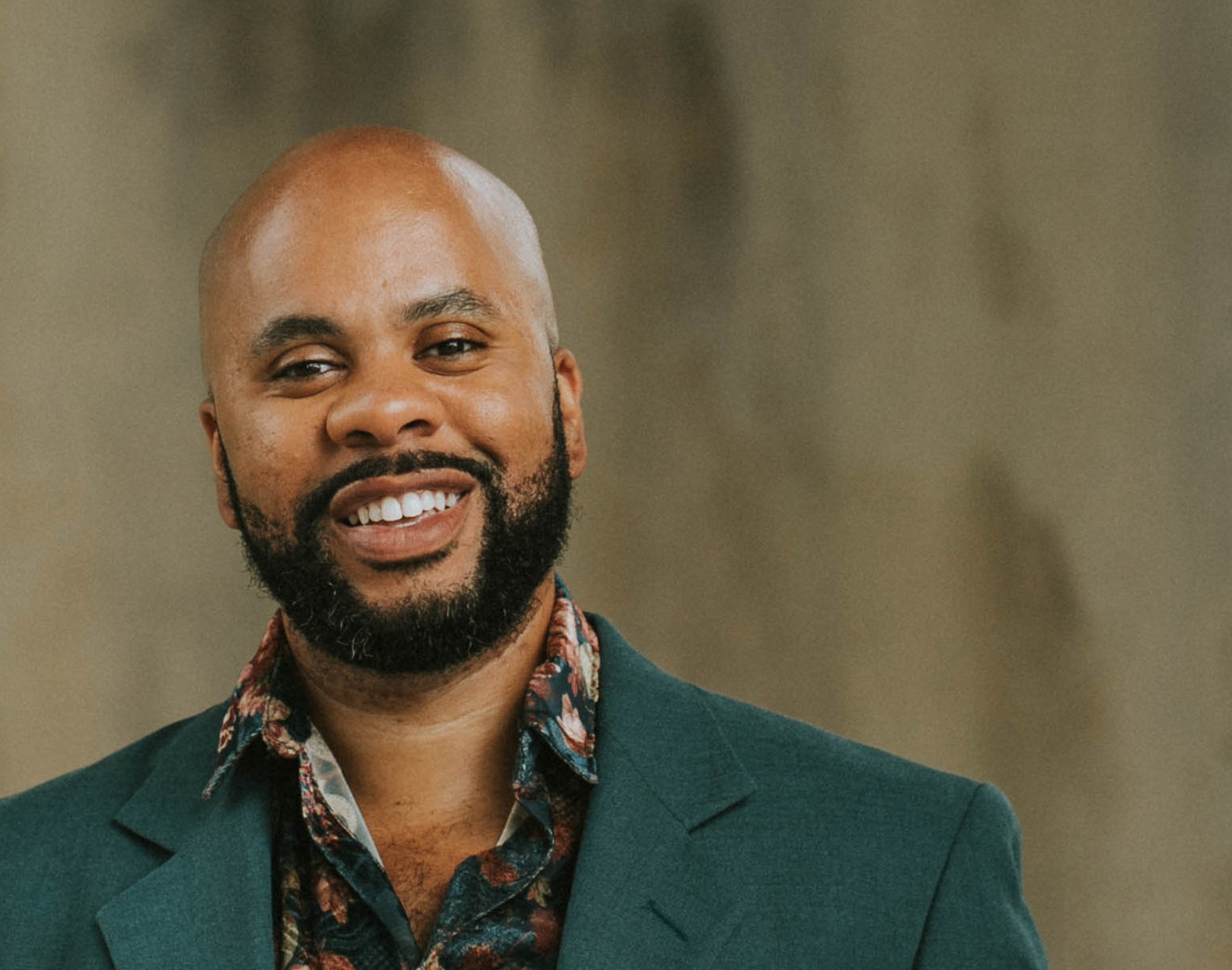
The challenges of family gatherings and social media etiquette can often lead to misunderstandings, as seen in two recent letters seeking advice from R. Eric Thomas. Both correspondents grapple with feelings of exclusion and communication missteps surrounding family traditions and privacy.
Friendsgiving Frustrations
One reader expressed discontent over being excluded from her daughter-in-law’s Friendsgiving, a gathering held a few weeks prior to Thanksgiving. This celebration invites the daughter-in-law’s family and friends, leaving the reader feeling sidelined as she had anticipated hosting the family Thanksgiving meal.
The reader shared that she feels resentment, having waited years for her turn to host, especially after losing both of her parents and her husband’s mother. The shift in family dynamics has altered the significance of the traditional Thanksgiving dinner for her, as it now seems diminished after her family has already enjoyed a similar meal at Friendsgiving.
In addressing her concerns, Thomas highlighted that both Friendsgiving and Thanksgiving serve distinct purposes. He emphasized that her daughter-in-law is creating a gathering that reflects her own upbringing, while the Thanksgiving meal can remain a special occasion for family. Rather than viewing the situation through a lens of competition, he encouraged her to focus on the common goal: cherishing time spent with loved ones.
Social Media Miscommunication
In another letter, a parent faced a dilemma regarding their son’s recent marriage. The couple opted for a civil ceremony to allow the husband to join his wife’s health insurance plan. When the parent shared a photo of the event on social media, the son promptly requested its removal, stating he had asked them not to post anything.
The parent felt conflicted, interpreting the son’s comment about not being “into social media” as a request not to share their news. Thomas noted that the son’s phrasing may have led to confusion, and the parent’s action was reasonable given the circumstances. He advised the parent to respect the couple’s wishes regarding their privacy while also recognizing the right to share joyful news with friends.
Thomas concluded that the situation should be seen as a learning experience. By understanding the nuances of social media sharing, the parent can navigate future interactions more thoughtfully. Both letters serve as reminders that open communication is essential in maintaining family harmony while adapting to evolving traditions and social norms.
As families continue to grow and change, so too will the dynamics of their gatherings and the ways they choose to share their lives with one another.

Robinhood Stock Surges 2.5% Today Amid Tech Market Recovery

Philadelphia’s Earth Month Kicks Off with Free Events in Parks

GSK’s Inhaler Decision Sparks Health Concerns for Children

Bradford’s Fish Fry Fridays Offer Community Spirit and Flavor

Speculation Rises on Shutdowns During Trump’s Potential Presidency

Samsung Galaxy Watch 9 to Feature Larger Battery, Report Reveals

Inventors Find New Purpose Through Unconventional Paths

UConn Huskies Aim for Back-to-Back Titles in 2026 NCAA Tournament

U.S. Mine Countermeasure Ships Dock in Malaysia for Logistics Stop

University of Hawaiʻi at Mānoa Joins $25.6M AI Initiative for Disaster Monitoring

$2.2 Million Boost for Cancer Research and Training in Hawaiʻi

ALMA Discovers Companion Orbiting Red Giant Star π 1 Gruis

Sacituzumab Govitecan Shows Promise for HR+/HER2− Breast Cancer

币安人生 Sees $15.92 Million in Trading Volume Amid Market Fluctuations

New Gel Offers Hope for Regrowing Tooth Enamel in Dentistry

CAVA Group Shares Surge 5.1% Amid Mixed Analyst Ratings

Christian Bale in Talks to Join Leonardo DiCaprio in Heat 2

Supreme Court to Review Birthright Citizenship for Children of Immigrants
-
Science9 months ago
University of Hawaiʻi at Mānoa Joins $25.6M AI Initiative for Disaster Monitoring
-
 Health7 months ago
$2.2 Million Boost for Cancer Research and Training in Hawaiʻi
-
 Science9 months ago
ALMA Discovers Companion Orbiting Red Giant Star π 1 Gruis
-
 Health7 months ago
Sacituzumab Govitecan Shows Promise for HR+/HER2− Breast Cancer
-
Politics5 months ago
币安人生 Sees $15.92 Million in Trading Volume Amid Market Fluctuations
-
 Health9 months ago
New Gel Offers Hope for Regrowing Tooth Enamel in Dentistry
-
 Business8 months ago
CAVA Group Shares Surge 5.1% Amid Mixed Analyst Ratings
-
 Entertainment9 months ago
Christian Bale in Talks to Join Leonardo DiCaprio in Heat 2
-
 Politics8 months ago
Supreme Court to Review Birthright Citizenship for Children of Immigrants
-

 Lifestyle8 months ago
Art Deco and Traditional Designs Set to Transform Homes in 2026
-

 Lifestyle8 months ago
Fernando Mendoza Secures Maxwell and O’Brien Awards Ahead of Heisman
-

 World8 months ago
Swiss Residents Reject 50% Inheritance Tax on Wealthy