
Lifestyle
Pioneer Love Story: How a Gold Rush Hotel Began in Red Bluff

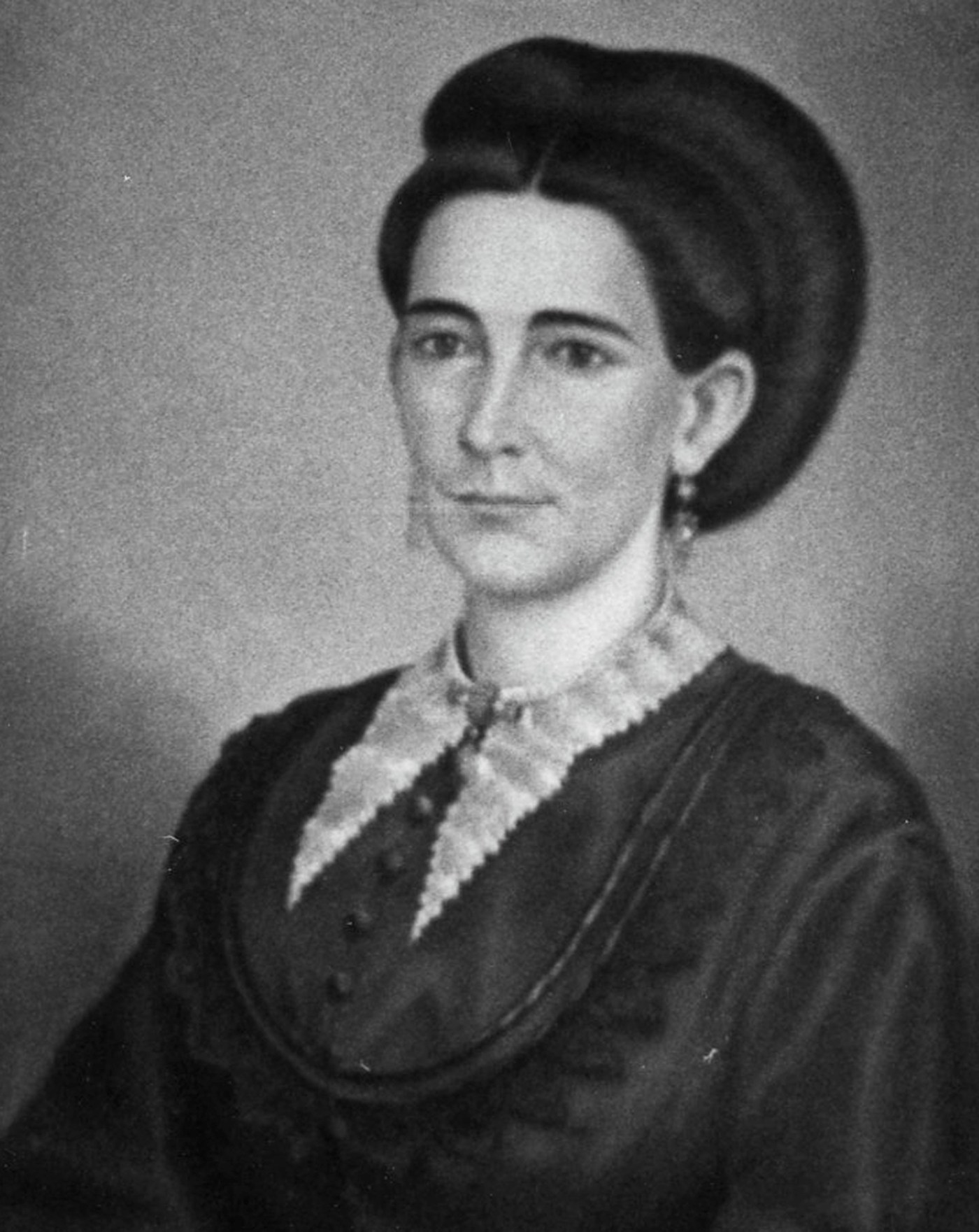
In the midst of the California Gold Rush, a love story emerged that would shape the future of Red Bluff, California. In 1850, a young man named Jonathan C. Tyler left his home in Pigeon Prairie, Michigan, at the age of 20 to seek fortune in the gold fields. After an arduous journey that included a split from his group at Fort Hall, Idaho, Tyler arrived in Hangtown, now known as Placerville, on August 10, 1850.
Despite his initial hopes, Tyler found little gold in Hangtown and decided to move north to the Feather River mines. His fortunes improved at Missouri Bar, located east of Belden, California. However, his mining adventures soon led him to face dangers, including hostile encounters with local Indigenous tribes. After a series of raids that left his camp devastated, Tyler and his companions shifted their focus to prospecting in Tehama County.
By 1853, Tyler had grown weary of the mining life. He set his sights on establishing a more permanent residence in a burgeoning area known as Cavortsburg, which would eventually become part of Red Bluff. At that time, Cavortsburg was one of two camps in the area, the other being Bulltown. Recognizing the potential for growth, Tyler envisioned building a hotel to serve the increasing number of settlers.
Tyler’s plans took a significant turn when he crossed paths with Virgil P. Baker, a skilled carpenter who arrived in Cavortsburg. The two men quickly formed a partnership, with Baker contributing his expertise to help Tyler construct the Eagle Hotel. Their collaboration marked an important milestone in the establishment of Red Bluff.
A pivotal moment in Tyler’s life occurred one October afternoon when a new wagon train arrived in Cavortsburg. Among the travelers was a young woman named Mary Demint, described as a “stout, ruddy-looking, and comely lass” who skillfully handled the oxen pulling her wagon. Struck by her presence, Tyler felt an immediate attraction but struggled with shyness.
Fortunately for Tyler, Baker’s wife recognized the budding romance and facilitated an introduction between the two. Tyler’s bold declaration to other suitors that he intended to win Mary’s heart led to their marriage six months later, a significant event as it is believed to be the first marriage solemnized in what would become Red Bluff. They remained together for 42 years, raising a family that included four sons and two daughters.
The Eagle Hotel, completed in late 1853, became a central establishment in the area. Unfortunately, tragedy struck in August 1861, when a nighttime fire severely damaged the hotel. John Williams subsequently rebuilt it and operated it as the Williams Hotel, which later became known as the Tremont Hotel when leased to Pine & Co. This iconic building was ultimately demolished in July 1965.
Today, as one strolls through downtown Red Bluff, it is worth pausing at 728 Main Street, the site where Tyler and Baker’s camps once stood. It is a reminder of the rich history of love and ambition that characterized the early days of this vibrant community. The story of how a shy young pioneer met the ox-goad-wielding lass who would become his wife continues to resonate as a cherished chapter in the annals of Red Bluff’s history.

Robinhood Stock Surges 2.5% Today Amid Tech Market Recovery

Philadelphia’s Earth Month Kicks Off with Free Events in Parks

GSK’s Inhaler Decision Sparks Health Concerns for Children

Bradford’s Fish Fry Fridays Offer Community Spirit and Flavor

Speculation Rises on Shutdowns During Trump’s Potential Presidency

Samsung Galaxy Watch 9 to Feature Larger Battery, Report Reveals

Inventors Find New Purpose Through Unconventional Paths

UConn Huskies Aim for Back-to-Back Titles in 2026 NCAA Tournament

U.S. Mine Countermeasure Ships Dock in Malaysia for Logistics Stop

University of Hawaiʻi at Mānoa Joins $25.6M AI Initiative for Disaster Monitoring

$2.2 Million Boost for Cancer Research and Training in Hawaiʻi

ALMA Discovers Companion Orbiting Red Giant Star π 1 Gruis

Sacituzumab Govitecan Shows Promise for HR+/HER2− Breast Cancer

币安人生 Sees $15.92 Million in Trading Volume Amid Market Fluctuations

New Gel Offers Hope for Regrowing Tooth Enamel in Dentistry

CAVA Group Shares Surge 5.1% Amid Mixed Analyst Ratings

Christian Bale in Talks to Join Leonardo DiCaprio in Heat 2

Supreme Court to Review Birthright Citizenship for Children of Immigrants
-
Science9 months ago
University of Hawaiʻi at Mānoa Joins $25.6M AI Initiative for Disaster Monitoring
-
 Health7 months ago
$2.2 Million Boost for Cancer Research and Training in Hawaiʻi
-
 Science9 months ago
ALMA Discovers Companion Orbiting Red Giant Star π 1 Gruis
-
 Health7 months ago
Sacituzumab Govitecan Shows Promise for HR+/HER2− Breast Cancer
-
Politics5 months ago
币安人生 Sees $15.92 Million in Trading Volume Amid Market Fluctuations
-
 Health9 months ago
New Gel Offers Hope for Regrowing Tooth Enamel in Dentistry
-
 Business8 months ago
CAVA Group Shares Surge 5.1% Amid Mixed Analyst Ratings
-
 Entertainment8 months ago
Christian Bale in Talks to Join Leonardo DiCaprio in Heat 2
-
 Politics8 months ago
Supreme Court to Review Birthright Citizenship for Children of Immigrants
-

 Lifestyle8 months ago
Art Deco and Traditional Designs Set to Transform Homes in 2026
-

 Lifestyle8 months ago
Fernando Mendoza Secures Maxwell and O’Brien Awards Ahead of Heisman
-

 World8 months ago
Swiss Residents Reject 50% Inheritance Tax on Wealthy