
Lifestyle
Presidents Day: A Look at the Holiday’s Origins and Significance

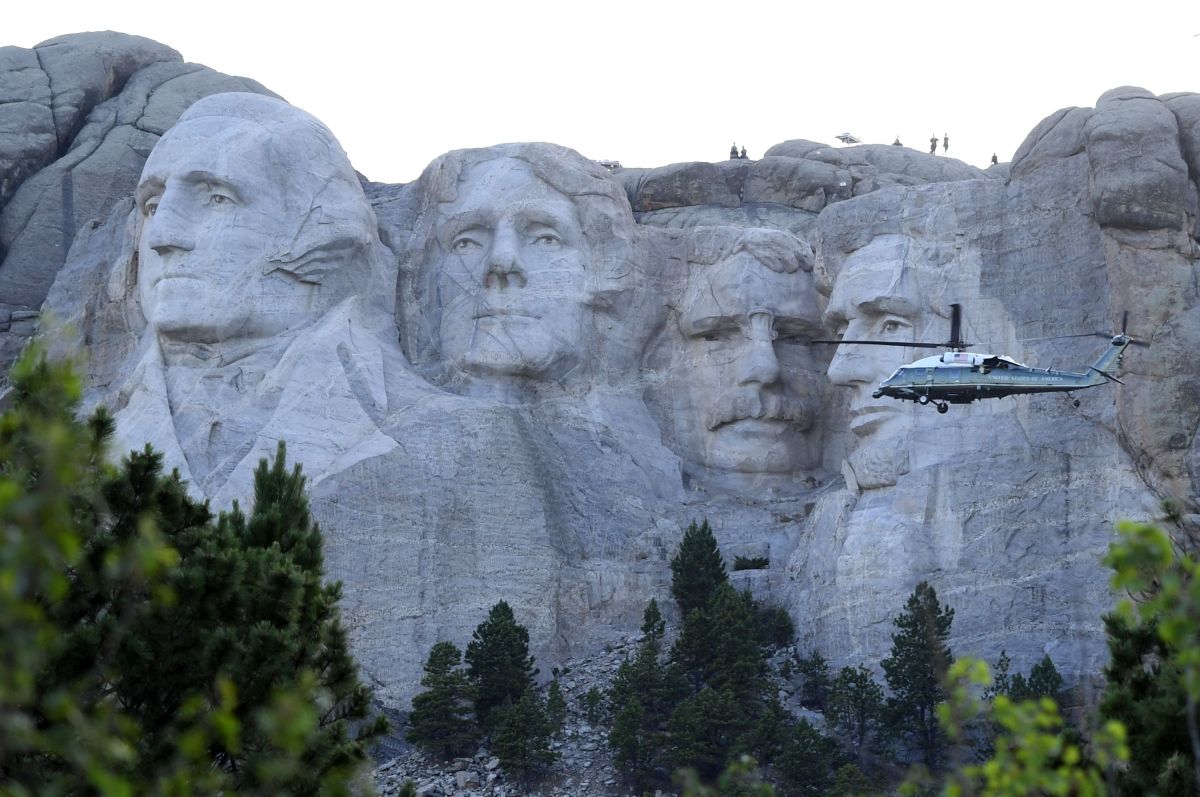
Presidents Day, a federal holiday in the United States, is observed on the third Monday of February, with this year’s celebration falling on February 19, 2024. The day was originally established to honor the birth of the nation’s first president, George Washington, who was born on February 22, 1732. Many government offices close on federal holidays, and some private businesses may also choose to shut their doors. Federal employees typically receive pay and time off for such holidays.
The origins of Presidents Day date back to the late 19th century when it was first recognized as Washington’s Birthday. In 1971, a shift occurred as the holiday was moved to the third Monday of February, strategically placing it between the birthdays of Washington and Abraham Lincoln, who was born on February 12. This change led to the popular term “Presidents Day,” a designation that, while not officially authorized by Congress, has become widely accepted in public consciousness.
According to the U.S. National Archives and Records Administration, the name change reflects a broader recognition of all U.S. presidents. The term appears frequently on calendars, in advertising, and even in government communications. The shift in naming signifies a shift in focus from a singular celebration to a more inclusive acknowledgment of the presidency.
The establishment of Washington’s Birthday as a federal holiday was initiated by the 45th Congress, which formally recognized February 22 as worthy of holiday status on January 31, 1879. This initiative came shortly after the national centennial celebration of 1876 and was part of a broader wave of patriotic sentiment that swept the nation in the late 19th century.
Senator Steven Wallace Dorsey from Arkansas played a pivotal role in this legislation, proposing to add Washington’s birth date to the list of existing bank holidays, which included New Year’s Day, Independence Day, Thanksgiving, and Christmas. The necessity for such a holiday was underscored by significant absenteeism among federal workers around these established dates.
Initially, the holiday applied solely to federal workers in Washington, D.C. However, by 1885, it was extended to all federal employees across the country. As the years progressed, the holiday system faced scrutiny, leading to a push for reform in the late 1960s. Lawmakers sought to minimize employee absenteeism by standardizing federal holidays, which often fell on different days of the week.
In 1971, the implementation of the Uniform Monday Holiday Law marked a significant change. This law reorganized several federal holidays, including Washington’s Birthday, into a system that ensured holidays would always be celebrated on Mondays. This change aimed to provide workers with more consistent long weekends, enhancing their opportunities for rest and recreation.
The influence of George Washington on American culture and identity remains significant. Schools, towns, and even the nation’s capital bear his name, symbolizing his enduring legacy as a leader associated with virtue, strength, and integrity. As Presidents Day approaches, it serves as a reminder of the pivotal role Washington played in shaping the United States and the office of the presidency itself.
In summary, Presidents Day has evolved from a singular celebration of Washington’s birth into a broader recognition of all presidents, reflecting the nation’s complex history and the lasting impact of its leaders. The holiday not only commemorates the founding figures of the United States but also serves to foster a sense of unity and respect for the office of the presidency.

Robinhood Stock Surges 2.5% Today Amid Tech Market Recovery

Philadelphia’s Earth Month Kicks Off with Free Events in Parks

GSK’s Inhaler Decision Sparks Health Concerns for Children

Bradford’s Fish Fry Fridays Offer Community Spirit and Flavor

Speculation Rises on Shutdowns During Trump’s Potential Presidency

Samsung Galaxy Watch 9 to Feature Larger Battery, Report Reveals

Inventors Find New Purpose Through Unconventional Paths

UConn Huskies Aim for Back-to-Back Titles in 2026 NCAA Tournament

U.S. Mine Countermeasure Ships Dock in Malaysia for Logistics Stop

University of Hawaiʻi at Mānoa Joins $25.6M AI Initiative for Disaster Monitoring

$2.2 Million Boost for Cancer Research and Training in Hawaiʻi

ALMA Discovers Companion Orbiting Red Giant Star π 1 Gruis

Sacituzumab Govitecan Shows Promise for HR+/HER2− Breast Cancer

币安人生 Sees $15.92 Million in Trading Volume Amid Market Fluctuations

New Gel Offers Hope for Regrowing Tooth Enamel in Dentistry

CAVA Group Shares Surge 5.1% Amid Mixed Analyst Ratings

Christian Bale in Talks to Join Leonardo DiCaprio in Heat 2

Supreme Court to Review Birthright Citizenship for Children of Immigrants
-
Science9 months ago
University of Hawaiʻi at Mānoa Joins $25.6M AI Initiative for Disaster Monitoring
-
 Health7 months ago
$2.2 Million Boost for Cancer Research and Training in Hawaiʻi
-
 Science8 months ago
ALMA Discovers Companion Orbiting Red Giant Star π 1 Gruis
-
 Health7 months ago
Sacituzumab Govitecan Shows Promise for HR+/HER2− Breast Cancer
-
Politics5 months ago
币安人生 Sees $15.92 Million in Trading Volume Amid Market Fluctuations
-
 Health8 months ago
New Gel Offers Hope for Regrowing Tooth Enamel in Dentistry
-
 Business7 months ago
CAVA Group Shares Surge 5.1% Amid Mixed Analyst Ratings
-
 Entertainment8 months ago
Christian Bale in Talks to Join Leonardo DiCaprio in Heat 2
-
 Politics7 months ago
Supreme Court to Review Birthright Citizenship for Children of Immigrants
-

 Lifestyle8 months ago
Art Deco and Traditional Designs Set to Transform Homes in 2026
-

 Lifestyle7 months ago
Fernando Mendoza Secures Maxwell and O’Brien Awards Ahead of Heisman
-

 World8 months ago
Swiss Residents Reject 50% Inheritance Tax on Wealthy