
Lifestyle
Rethinking Photography: Embracing Personal Growth Over Competition

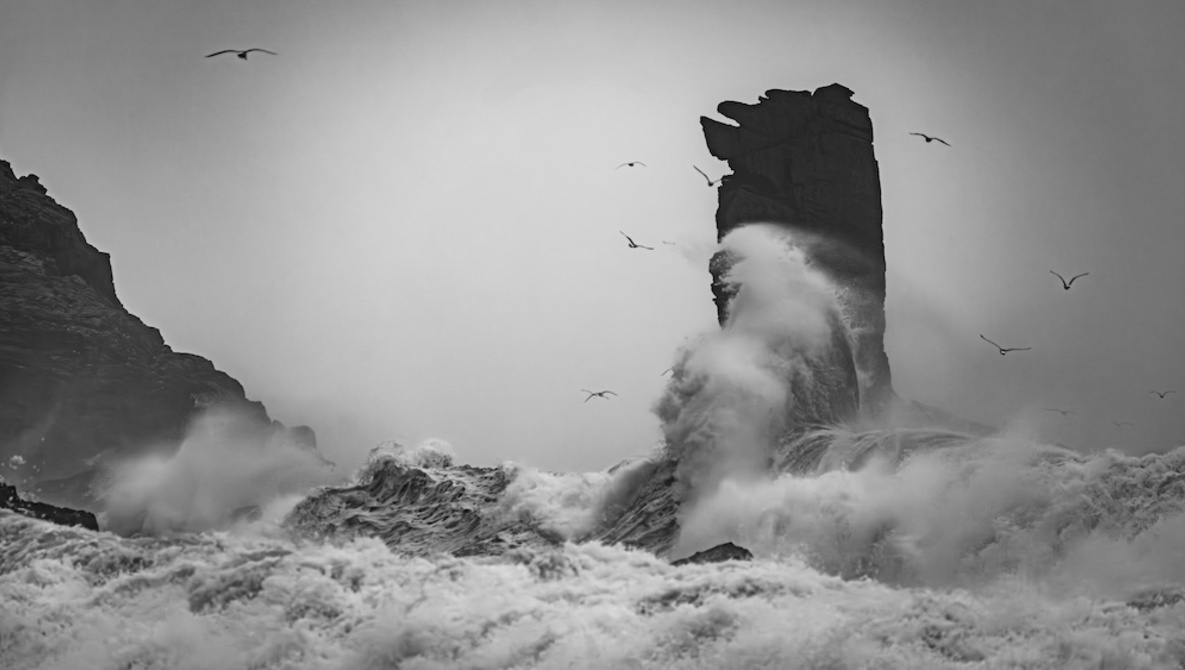
Photography is often perceived as a competition, with success measured in likes, awards, and comparisons to others. However, according to **Darren J. Spoonley**, an outdoor photographer based in **Ireland**, photography is fundamentally a personal journey. The way individuals see, capture, and interpret moments is shaped by their unique experiences and perspectives. Embracing this understanding is essential for maintaining a meaningful relationship with the art of photography.
Spoonley reflects on his own lengthy experience in photography, noting how the art form can easily drift from its original intent. The competitive mindset, while not formally established, has subtly infiltrated the community. Questions such as “Who is seen more?” or “Who progresses faster?” have begun to overshadow the intrinsic values of photography. For Spoonley, the act of taking a photograph is inherently personal, requiring solitude in decision-making, even when surrounded by others.
As he delves deeper into his experiences, Spoonley acknowledges a phase in his journey where he sought approval over authenticity. He recalls returning from shoots, preoccupied with how an image would be received online rather than its personal significance. This shift in focus led to adjustments in framing and an inclination to avoid clichéd scenes, resulting in work that lacked his distinctive voice.
The competitive nature of photography can perpetuate unhealthy comparisons. Spoonley highlights how viewing other photographers’ work can lead to feelings of inadequacy, further complicating the creative process. “I was constantly looking at other photographers’ work and quietly ranking myself against it,” he admits. This mentality can cultivate self-doubt rather than inspire growth.
Understanding that everyone arrives at photography with different circumstances is crucial. Some photographers travel extensively, while others work within local settings. Spoonley emphasizes that treating these varied experiences as a single ladder oversimplifies the reality of the craft. The diversity in backgrounds and opportunities should be celebrated, not ranked.
To regain his focus, Spoonley found that stepping back from the competitive mindset allowed him to appreciate the subtleties in his work. “Real improvement in photography is slower than most people want to admit,” he notes. The journey towards mastery involves recognizing light, understanding when a scene will not work, and revisiting images long after they are taken.
The essence of photography, Spoonley argues, is not about performance but rather documentation of experience. Each photograph is a testament to the observer’s attention and presence, devoid of a need for external validation. Some of Spoonley’s most cherished images stem from ordinary moments—a light hitting a rock, or the fleeting beauty of a sunset—reminding him of the importance of being present.
Social media, while a powerful tool for sharing work, complicates the landscape of photography. The immediate feedback and visible metrics can skew perceptions and foster unhealthy comparisons. Spoonley advises against allowing these platforms to dictate worth, emphasizing that they should be used intentionally and thoughtfully.
Engaging with photography as a process rather than an outcome can lead to greater satisfaction. Spoonley encourages photographers to follow those whose work resonates with their vision, fostering a community rooted in growth rather than competition. By limiting time spent on social media and focusing on the craft itself, he believes photographers can create a sustainable practice.
While competitions in photography can provide focus, they can also engender feelings of inadequacy when results do not align with expectations. Spoonley reminds readers that no one can replicate another’s photographs, as each is a reflection of personal experiences and choices. Competing against others distracts from the true purpose of photography, which is about connection and expression.
As Spoonley concludes, he encourages photographers to reflect on their motivations and to embrace the journey without the pressure to outperform others. Photography should be a continuous exploration, characterized by attention and passion rather than rivalry.
In fostering conversations around this perspective, Spoonley invites readers to share their thoughts and experiences, aiming to cultivate a community that appreciates the art for what it truly represents: a personal narrative captured through the lens.

Robinhood Stock Surges 2.5% Today Amid Tech Market Recovery

Philadelphia’s Earth Month Kicks Off with Free Events in Parks

GSK’s Inhaler Decision Sparks Health Concerns for Children

Bradford’s Fish Fry Fridays Offer Community Spirit and Flavor

Speculation Rises on Shutdowns During Trump’s Potential Presidency

Samsung Galaxy Watch 9 to Feature Larger Battery, Report Reveals

Inventors Find New Purpose Through Unconventional Paths

UConn Huskies Aim for Back-to-Back Titles in 2026 NCAA Tournament

U.S. Mine Countermeasure Ships Dock in Malaysia for Logistics Stop

University of Hawaiʻi at Mānoa Joins $25.6M AI Initiative for Disaster Monitoring

$2.2 Million Boost for Cancer Research and Training in Hawaiʻi

ALMA Discovers Companion Orbiting Red Giant Star π 1 Gruis

Sacituzumab Govitecan Shows Promise for HR+/HER2− Breast Cancer

币安人生 Sees $15.92 Million in Trading Volume Amid Market Fluctuations

New Gel Offers Hope for Regrowing Tooth Enamel in Dentistry

CAVA Group Shares Surge 5.1% Amid Mixed Analyst Ratings

Christian Bale in Talks to Join Leonardo DiCaprio in Heat 2

Supreme Court to Review Birthright Citizenship for Children of Immigrants
-
Science9 months ago
University of Hawaiʻi at Mānoa Joins $25.6M AI Initiative for Disaster Monitoring
-
 Health7 months ago
$2.2 Million Boost for Cancer Research and Training in Hawaiʻi
-
 Science9 months ago
ALMA Discovers Companion Orbiting Red Giant Star π 1 Gruis
-
 Health7 months ago
Sacituzumab Govitecan Shows Promise for HR+/HER2− Breast Cancer
-
Politics5 months ago
币安人生 Sees $15.92 Million in Trading Volume Amid Market Fluctuations
-
 Health9 months ago
New Gel Offers Hope for Regrowing Tooth Enamel in Dentistry
-
 Business8 months ago
CAVA Group Shares Surge 5.1% Amid Mixed Analyst Ratings
-
 Entertainment8 months ago
Christian Bale in Talks to Join Leonardo DiCaprio in Heat 2
-
 Politics8 months ago
Supreme Court to Review Birthright Citizenship for Children of Immigrants
-

 Lifestyle8 months ago
Art Deco and Traditional Designs Set to Transform Homes in 2026
-

 Lifestyle8 months ago
Fernando Mendoza Secures Maxwell and O’Brien Awards Ahead of Heisman
-

 World8 months ago
Swiss Residents Reject 50% Inheritance Tax on Wealthy