
Politics
California Budget Crisis: Governor Newsom’s Proposal Under Scrutiny

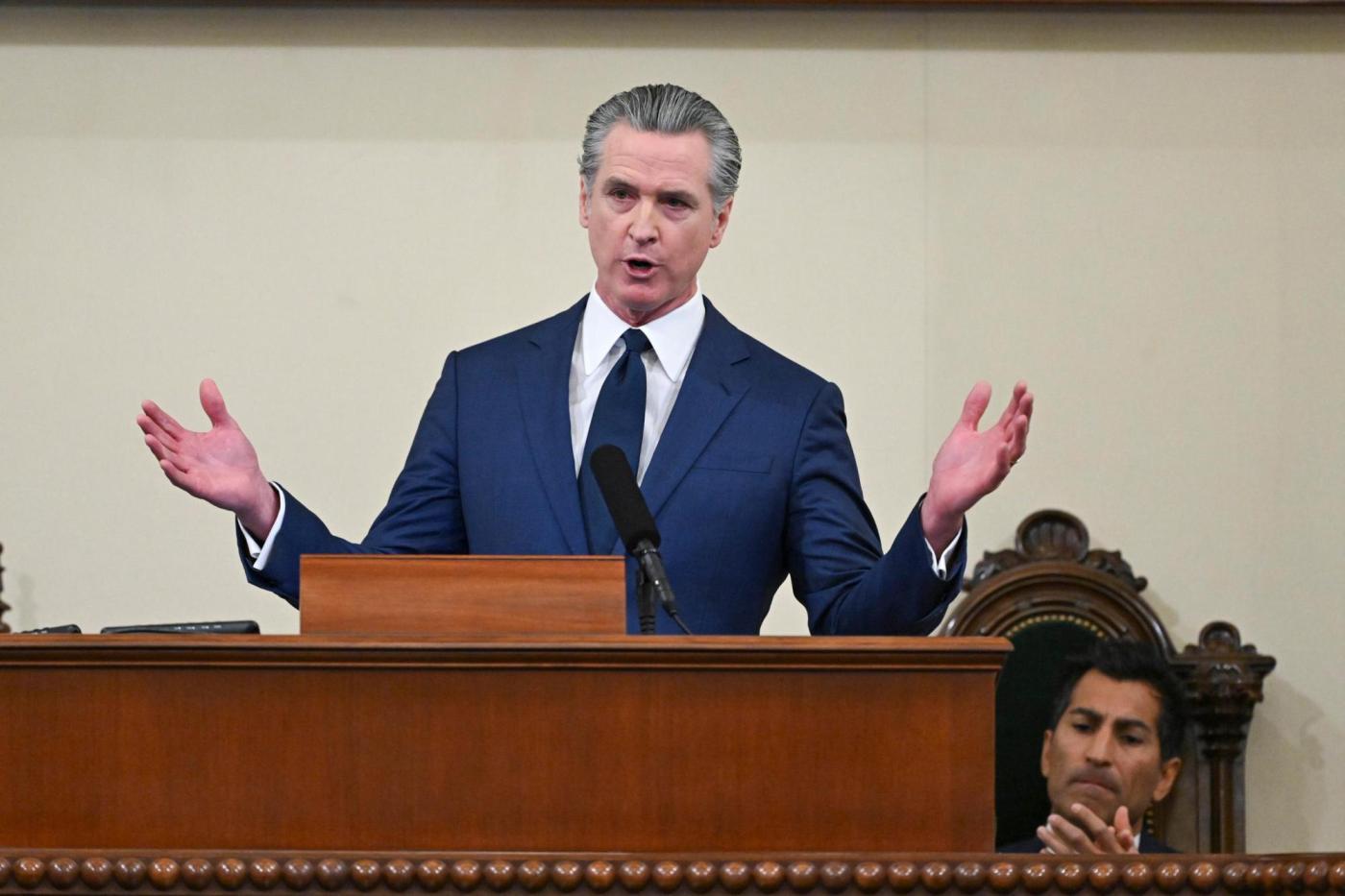
California’s state budget process for the fiscal year 2026-27 commenced recently with the release of Governor Gavin Newsom‘s proposal. However, the complexities of public finance and a long-standing lack of transparency have left many residents disengaged from the intricacies of state spending. Since the passage of Proposition 25 in 2010, California has struggled to establish a coherent annual budget plan, leading to ongoing criticism from various stakeholders.
Proposition 25, misleadingly dubbed the “On-Time Budget Act of 2010,” aimed to streamline the budgeting process. It abolished the two-thirds vote requirement for budget approvals under the promise of timely and transparent budgeting. Yet, as it stands, legislators often pass temporary placeholder budgets by the mandated deadline of June 15, primarily to secure their paychecks, without addressing the state’s financial realities.
The implications of this change have proven detrimental. The California Legislative Analyst’s Office (LAO) recently noted the need for proactive measures to tackle budget challenges before they escalate into a full-blown crisis. While current revenues remain stable, the LAO cautioned that reliance on temporary solutions, such as budgetary borrowing, could leave California vulnerable to future economic downturns.
On January 9, 2024, Governor Newsom unveiled his latest budget proposal, which has faced significant scrutiny. The LAO’s response highlighted two major concerns: first, the governor’s optimistic outlook on the stock market amidst signs of potential decline, and second, the budget’s failure to adequately address chronic structural deficits. The report stated, “Even under the administration’s more optimistic revenues, the budget is only roughly balanced in the near term.”
The persistent structural deficit, exacerbated by over-reliance on high earners and capital gains, has resulted in a projected budget shortfall that could reach $125 billion over the next four years. According to the LAO, this trend raises serious questions about California’s fiscal sustainability, emphasizing the need for long-term solutions rather than temporary fixes.
As the budget process unfolds, various stakeholders, including taxpayer advocacy groups like the Howard Jarvis Taxpayers Association, continue to call for greater accountability and transparency from state legislators. The ongoing budgetary challenges faced by California reflect broader issues of governance and financial management that demand immediate attention.
In summary, while Governor Newsom’s budget proposal is now on the table, concerns about its viability and the overall budget process in California remain high. The state is at a crossroads, and the decisions made in the coming months will significantly impact its financial future.

Robinhood Stock Surges 2.5% Today Amid Tech Market Recovery

Philadelphia’s Earth Month Kicks Off with Free Events in Parks

GSK’s Inhaler Decision Sparks Health Concerns for Children

Bradford’s Fish Fry Fridays Offer Community Spirit and Flavor

Speculation Rises on Shutdowns During Trump’s Potential Presidency

Samsung Galaxy Watch 9 to Feature Larger Battery, Report Reveals

Inventors Find New Purpose Through Unconventional Paths

UConn Huskies Aim for Back-to-Back Titles in 2026 NCAA Tournament

U.S. Mine Countermeasure Ships Dock in Malaysia for Logistics Stop

University of Hawaiʻi at Mānoa Joins $25.6M AI Initiative for Disaster Monitoring

$2.2 Million Boost for Cancer Research and Training in Hawaiʻi

ALMA Discovers Companion Orbiting Red Giant Star π 1 Gruis

Sacituzumab Govitecan Shows Promise for HR+/HER2− Breast Cancer

币安人生 Sees $15.92 Million in Trading Volume Amid Market Fluctuations

New Gel Offers Hope for Regrowing Tooth Enamel in Dentistry

CAVA Group Shares Surge 5.1% Amid Mixed Analyst Ratings

Christian Bale in Talks to Join Leonardo DiCaprio in Heat 2

Supreme Court to Review Birthright Citizenship for Children of Immigrants
-
Science9 months ago
University of Hawaiʻi at Mānoa Joins $25.6M AI Initiative for Disaster Monitoring
-
 Health7 months ago
$2.2 Million Boost for Cancer Research and Training in Hawaiʻi
-
 Science8 months ago
ALMA Discovers Companion Orbiting Red Giant Star π 1 Gruis
-
 Health7 months ago
Sacituzumab Govitecan Shows Promise for HR+/HER2− Breast Cancer
-
Politics5 months ago
币安人生 Sees $15.92 Million in Trading Volume Amid Market Fluctuations
-
 Health9 months ago
New Gel Offers Hope for Regrowing Tooth Enamel in Dentistry
-
 Business7 months ago
CAVA Group Shares Surge 5.1% Amid Mixed Analyst Ratings
-
 Entertainment8 months ago
Christian Bale in Talks to Join Leonardo DiCaprio in Heat 2
-
 Politics7 months ago
Supreme Court to Review Birthright Citizenship for Children of Immigrants
-

 Lifestyle8 months ago
Art Deco and Traditional Designs Set to Transform Homes in 2026
-

 Lifestyle7 months ago
Fernando Mendoza Secures Maxwell and O’Brien Awards Ahead of Heisman
-

 World8 months ago
Swiss Residents Reject 50% Inheritance Tax on Wealthy