
Politics
California Political Landscape Shifts as 2026 Elections Approach

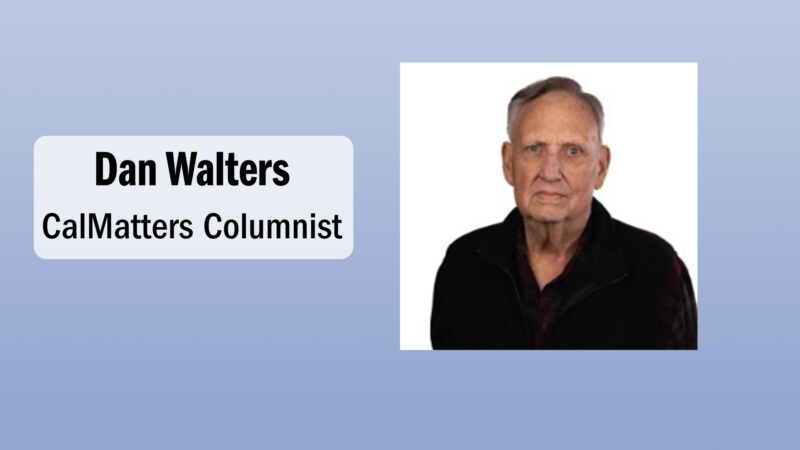
California’s political scene is evolving as the Legislature reconvened following a lengthy 114-day recess. Governor Gavin Newsom has reignited his presidential aspirations for the 2028 election, while various contenders eye his position in the state’s top office. As these dynamics unfold, the state faces pressing issues, particularly a significant budget deficit.
During an interview on MS NOW, a channel favored by Democratic voters, Newsom indicated that his focus this year will largely revolve around his presidential campaign. He criticized former President Donald Trump for his administration’s response to Los Angeles fire victims and policies regarding undocumented immigrants. This shift in focus may overshadow critical legislative responsibilities, including addressing California’s financial challenges.
The state’s budget situation is dire. According to Gabe Petek, the Legislature’s budget analyst, California is grappling with an immediate budget shortfall of $18 billion, which could escalate to $35 billion if left unaddressed. Petek emphasized that the state cannot rely on a sluggish economy to remedy its fiscal issues.
In previous years, Newsom has been somewhat lenient in delivering the annual State of the State address, which the state constitution mandates. However, he presented this year’s address, outlining responses to the projections of ongoing deficits. Lawmakers have resorted to various financial maneuvers, such as tapping into emergency reserves and utilizing off-the-books loans, to delay confronting the underlying economic realities.
Echoing Petek’s concerns, he stated, “If our estimates hold, the Legislature will face a fourth consecutive year of budget problems — all during a period of overall revenue growth.” This ongoing financial struggle is compounded by a progressive faction within the Legislature advocating for new taxes to bridge the budget gap. They are proposing two ballot measures: one to extend a surtax on high-income earners set to expire, and another to impose a wealth tax on billionaires residing in California.
Despite calls for increased taxation, Newsom has consistently rejected this approach. His reluctance to introduce tax hikes reflects his desire to maintain a moderate stance as he navigates his presidential ambitions. The governor has so far offered limited solutions beyond temporary fixes to the financial issues stemming from his previous miscalculation regarding a $97.5 billion surplus.
Beyond the budget crisis, California faces a multitude of persistent challenges. High rates of homelessness and poverty, a housing shortage, and a struggling bullet train project remain unresolved. Additionally, the state is dealing with a significant insurance crisis related to chronic wildfires, rising costs of living, and uncertainties around water supply. Recent reports indicate that California’s economy, valued at approximately $4 trillion, is stagnating, marked by the highest unemployment rate in the nation and a lack of net job growth since the onset of the COVID-19 pandemic.
As Newsom embarks on what may be his final year as governor, these pressing issues not only pose challenges for his presidential campaign but also for the candidates vying to succeed him. Potential Democratic contenders must navigate the complexities of the current political landscape, facing the task of addressing Newsom’s unresolved issues, particularly the budget deficit.
The question remains whether the aspiring governors will engage in meaningful discourse about these challenges or merely compete for attention. As the political gears begin to turn in anticipation of the 2026 elections, the focus will be on how candidates articulate their strategies to address California’s multifaceted problems.
This unfolding narrative will shape the political future of California and potentially influence the broader national landscape as the state prepares for an election year marked by significant challenges and opportunities.

Robinhood Stock Surges 2.5% Today Amid Tech Market Recovery

Philadelphia’s Earth Month Kicks Off with Free Events in Parks

GSK’s Inhaler Decision Sparks Health Concerns for Children

Bradford’s Fish Fry Fridays Offer Community Spirit and Flavor

Speculation Rises on Shutdowns During Trump’s Potential Presidency

Samsung Galaxy Watch 9 to Feature Larger Battery, Report Reveals

Inventors Find New Purpose Through Unconventional Paths

UConn Huskies Aim for Back-to-Back Titles in 2026 NCAA Tournament

U.S. Mine Countermeasure Ships Dock in Malaysia for Logistics Stop

University of Hawaiʻi at Mānoa Joins $25.6M AI Initiative for Disaster Monitoring

$2.2 Million Boost for Cancer Research and Training in Hawaiʻi

ALMA Discovers Companion Orbiting Red Giant Star π 1 Gruis

Sacituzumab Govitecan Shows Promise for HR+/HER2− Breast Cancer

币安人生 Sees $15.92 Million in Trading Volume Amid Market Fluctuations

New Gel Offers Hope for Regrowing Tooth Enamel in Dentistry

CAVA Group Shares Surge 5.1% Amid Mixed Analyst Ratings

Christian Bale in Talks to Join Leonardo DiCaprio in Heat 2

Supreme Court to Review Birthright Citizenship for Children of Immigrants
-
Science9 months ago
University of Hawaiʻi at Mānoa Joins $25.6M AI Initiative for Disaster Monitoring
-
 Health7 months ago
$2.2 Million Boost for Cancer Research and Training in Hawaiʻi
-
 Science9 months ago
ALMA Discovers Companion Orbiting Red Giant Star π 1 Gruis
-
 Health7 months ago
Sacituzumab Govitecan Shows Promise for HR+/HER2− Breast Cancer
-
Politics5 months ago
币安人生 Sees $15.92 Million in Trading Volume Amid Market Fluctuations
-
 Health9 months ago
New Gel Offers Hope for Regrowing Tooth Enamel in Dentistry
-
 Business8 months ago
CAVA Group Shares Surge 5.1% Amid Mixed Analyst Ratings
-
 Entertainment8 months ago
Christian Bale in Talks to Join Leonardo DiCaprio in Heat 2
-
 Politics8 months ago
Supreme Court to Review Birthright Citizenship for Children of Immigrants
-

 Lifestyle8 months ago
Art Deco and Traditional Designs Set to Transform Homes in 2026
-

 Lifestyle8 months ago
Fernando Mendoza Secures Maxwell and O’Brien Awards Ahead of Heisman
-

 World8 months ago
Swiss Residents Reject 50% Inheritance Tax on Wealthy