
Politics
China Expands Its Territory Through Innovative Island Construction

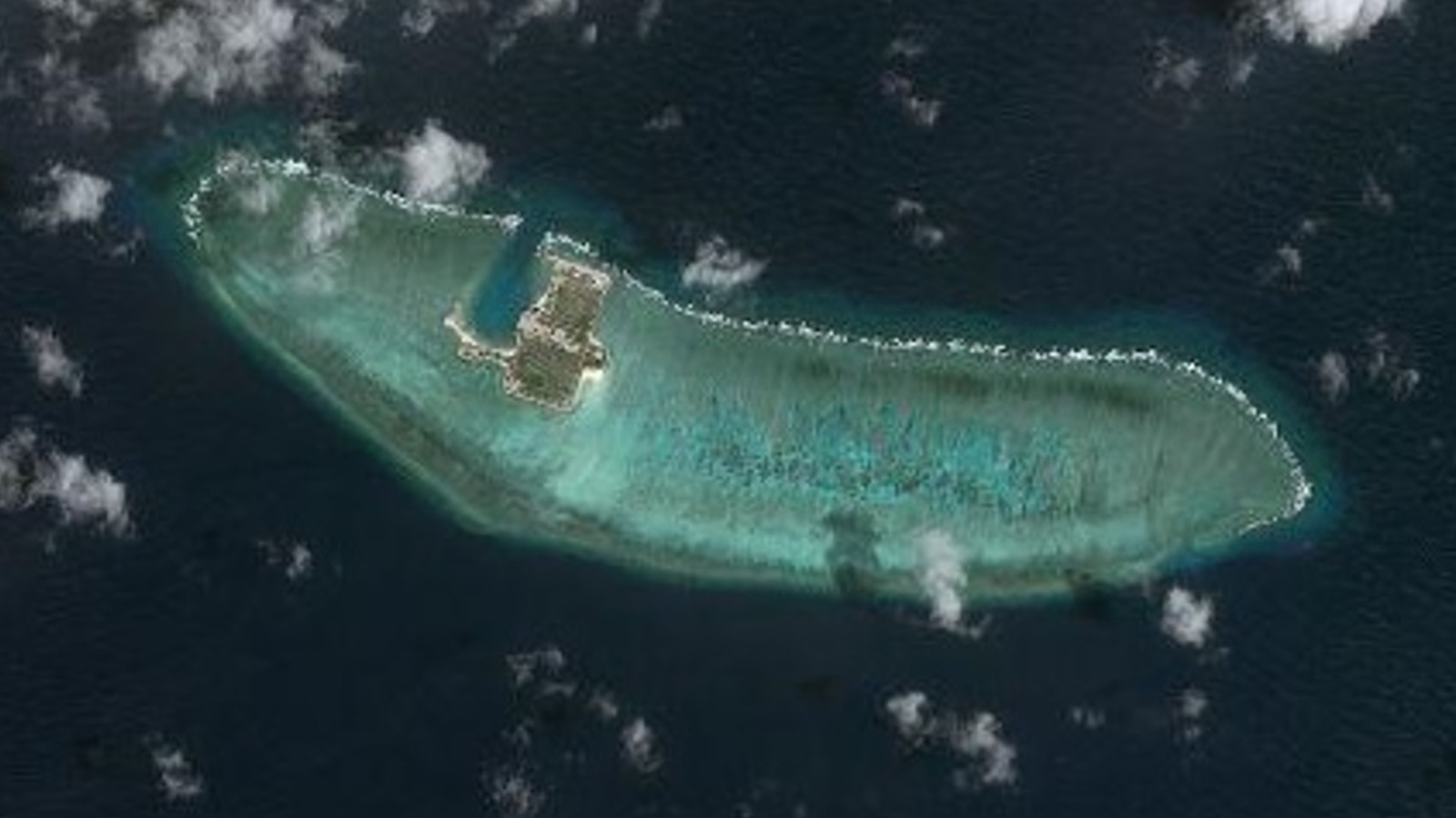
China is significantly expanding its territory by constructing artificial islands in the strategically important waters of the Paracel and Spratly Islands. This initiative, which began in 2013, has allowed China to create approximately 3,200 acres of new land, enhancing its claims in a region rich in resources and subject to territorial disputes.
The process of building these islands involves extensive engineering and substantial resources. To create stable land masses, China utilizes millions of tons of rock, sand, and concrete. This ambitious project, often referred to as the “Great Wall of Sand,” showcases China’s advanced capabilities in land reclamation. The method involves locating submerged reefs and covering them with dredged material from the seafloor. This foundational layer is essential to prevent erosion and to support various structures, including military installations and airfields.
As these islands take shape, they are further reinforced with rocks and concrete. This approach mimics natural geological processes, achieving results in mere years that would typically take nature millions of years. The islands not only bolster China’s territorial claims but also serve as strategic military outposts in the contested waters of the South China Sea.
While the engineering behind these islands is impressive, it comes at a significant environmental cost. The methods employed destroy delicate coral reefs and disrupt local fish populations. Dredging operations obliterate the natural habitats that exist on submerged reefs, leading to long-term ecological damage. The scale of China’s land reclamation efforts is unprecedented, requiring immense resources and labor. This realization highlights both the technical prowess and the environmental implications of such large-scale projects.
Despite their stability, these artificial islands face ongoing challenges. They are vulnerable to the elements, with saltwater gradually degrading the materials used in construction. Regular maintenance is crucial to ensure their longevity. As long as China continues to invest in upkeep, these islands are likely to remain a fixture in the region.
The establishment of these islands has also led to small populations relocating to these newly created territories. The presence of military facilities and government interests further underscores the strategic importance of these islands. While other nations have pursued similar projects, China has distinguished itself by refining the techniques of island construction and reclamation.
China’s endeavors reflect a blend of ambition and innovation, making the Great Wall of Sand a remarkable feat of modern engineering. As the situation in the South China Sea evolves, the implications of these developments will continue to resonate across geopolitical discussions and environmental considerations.

Robinhood Stock Surges 2.5% Today Amid Tech Market Recovery

Philadelphia’s Earth Month Kicks Off with Free Events in Parks

GSK’s Inhaler Decision Sparks Health Concerns for Children

Bradford’s Fish Fry Fridays Offer Community Spirit and Flavor

Speculation Rises on Shutdowns During Trump’s Potential Presidency

Samsung Galaxy Watch 9 to Feature Larger Battery, Report Reveals

Inventors Find New Purpose Through Unconventional Paths

UConn Huskies Aim for Back-to-Back Titles in 2026 NCAA Tournament

U.S. Mine Countermeasure Ships Dock in Malaysia for Logistics Stop

University of Hawaiʻi at Mānoa Joins $25.6M AI Initiative for Disaster Monitoring

$2.2 Million Boost for Cancer Research and Training in Hawaiʻi

ALMA Discovers Companion Orbiting Red Giant Star π 1 Gruis

Sacituzumab Govitecan Shows Promise for HR+/HER2− Breast Cancer

币安人生 Sees $15.92 Million in Trading Volume Amid Market Fluctuations

New Gel Offers Hope for Regrowing Tooth Enamel in Dentistry

CAVA Group Shares Surge 5.1% Amid Mixed Analyst Ratings

Christian Bale in Talks to Join Leonardo DiCaprio in Heat 2

Supreme Court to Review Birthright Citizenship for Children of Immigrants
-
Science9 months ago
University of Hawaiʻi at Mānoa Joins $25.6M AI Initiative for Disaster Monitoring
-
 Health7 months ago
$2.2 Million Boost for Cancer Research and Training in Hawaiʻi
-
 Science8 months ago
ALMA Discovers Companion Orbiting Red Giant Star π 1 Gruis
-
 Health7 months ago
Sacituzumab Govitecan Shows Promise for HR+/HER2− Breast Cancer
-
Politics5 months ago
币安人生 Sees $15.92 Million in Trading Volume Amid Market Fluctuations
-
 Health9 months ago
New Gel Offers Hope for Regrowing Tooth Enamel in Dentistry
-
 Business7 months ago
CAVA Group Shares Surge 5.1% Amid Mixed Analyst Ratings
-
 Entertainment8 months ago
Christian Bale in Talks to Join Leonardo DiCaprio in Heat 2
-
 Politics7 months ago
Supreme Court to Review Birthright Citizenship for Children of Immigrants
-

 Lifestyle8 months ago
Art Deco and Traditional Designs Set to Transform Homes in 2026
-

 Lifestyle7 months ago
Fernando Mendoza Secures Maxwell and O’Brien Awards Ahead of Heisman
-

 World8 months ago
Swiss Residents Reject 50% Inheritance Tax on Wealthy