
Politics
Colorado Faces Fiscal Crisis: Advocates Push for Graduated Income Tax

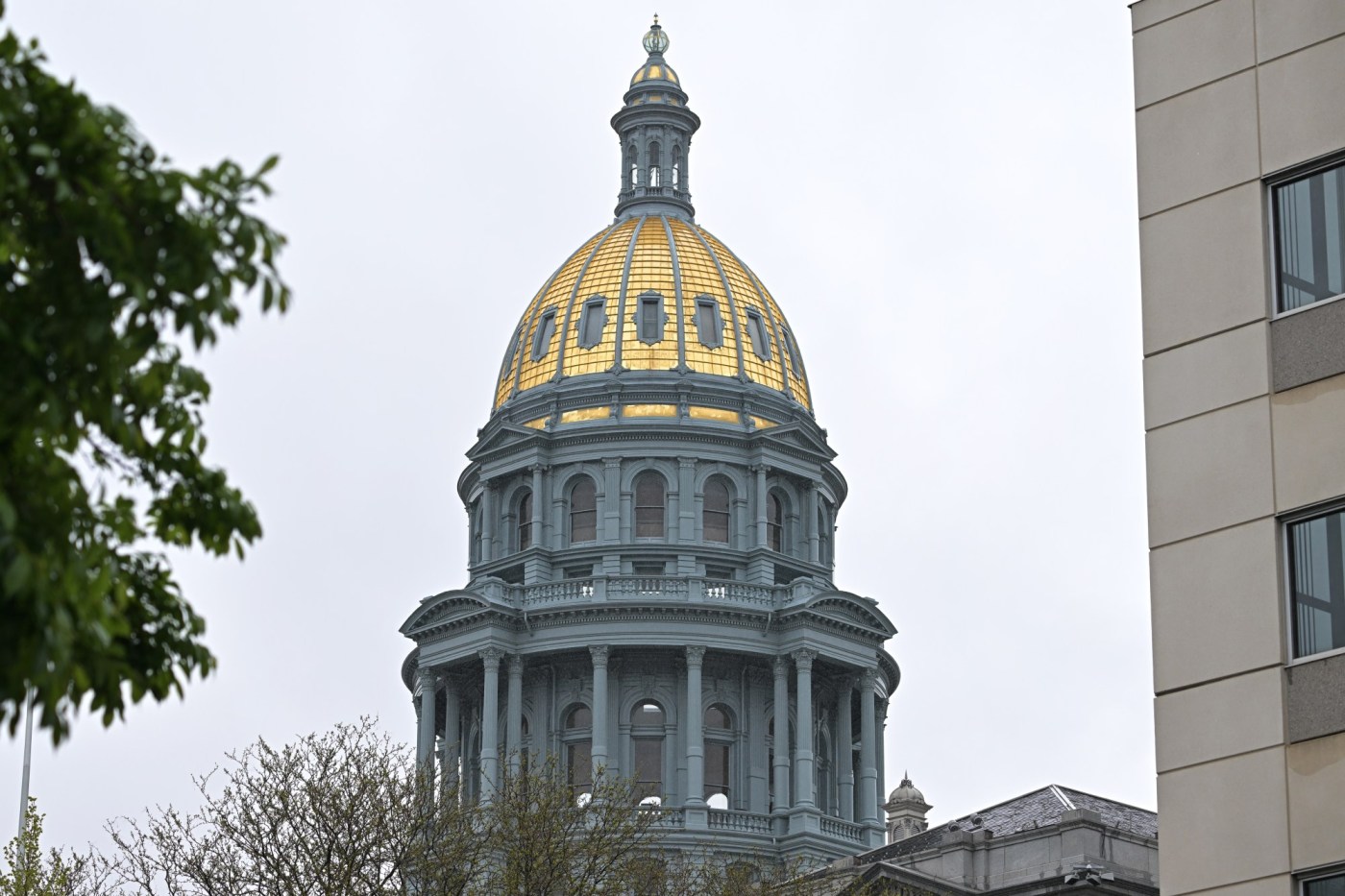
Colorado is grappling with a significant fiscal crisis as the state prepares for a potential budget shortfall in the coming years. The urgent situation has been underscored by a recent federal government shutdown, which halted vital funding and raised concerns about the welfare of over 100,000 residents who may lose health care coverage due to expiring federal insurance premium tax credits.
In response to these challenges, Governor Jared Polis and the Colorado General Assembly have taken swift action. They allocated $10 million to support food banks and encouraged voter backing for Propositions LL and MM, aimed at supplementing the state’s Supplemental Nutrition Assistance Program (SNAP). In addition, the Colorado Treasury has initiated a tax credit sale projected to generate $100 million in state revenue. While these measures demonstrate a proactive approach, they may not be sufficient to address the looming fiscal crisis.
Projected Shortfalls and Challenges Ahead
The financial landscape is expected to worsen, with estimates indicating that Colorado’s General Fund could face an additional burden of up to $3 billion for SNAP and Medicaid due to federal legislation known as H.R. 1. Furthermore, changes in the federal tax code are anticipated to lead to a loss of $2.6 billion in state revenue through fiscal year 2028. This financial strain is compounded by a recent budget shortfall driven primarily by state-level Medicaid costs.
In light of these escalating challenges, Dave Young, the Colorado State Treasurer, emphasizes the need for a more aggressive legislative response. Young, who has a background in education, points out that effective reform within the state’s Medicaid program is essential. He argues that the Department of Health Care Policy and Finance (HCPF) should operate more efficiently, rather than merely cutting necessary services to manage costs. Such cuts risk long-term consequences, particularly for vulnerable populations, including children with disabilities who require early intervention services.
Additionally, Young raises concerns regarding potential reductions in state support for the Colorado Public Employee Retirement Association (PERA). He warns that a reduction of up to $38 million could lead to a long-term opportunity cost of $180 million, further straining resources for current retirees and employees.
Advocating for Tax Reform
The current funding crisis has led to a tightening of resources across state agencies, hampering their ability to provide essential services. Young is advocating for a new graduated income tax proposal introduced by Protect Colorado’s Future. This initiative aims to ensure that Colorado’s wealthiest residents—approximately 2% of the population—contribute a fairer share, potentially generating $2.4 billion annually. Such a measure could help mitigate immediate budget cuts and lay the groundwork for a sustainable fiscal future.
Moreover, Young suggests that Colorado should modernize its severance tax, which currently lags behind other Western states. He highlights that despite lower oil and gas production, states like Wyoming are able to generate significantly higher severance tax revenues.
The upcoming legislative session presents an opportunity for the Colorado General Assembly to take decisive action. Young insists that lawmakers must leverage their constitutional authority to protect vulnerable populations and prioritize meaningful tax reform. Without significant changes, the fiscal challenges facing Colorado could become a persistent reality.
In conclusion, as Colorado navigates these turbulent financial waters, proactive measures and robust tax reform will be crucial to ensuring the state can continue to provide basic services and support its residents. The time for action is now, as the implications of inaction could reverberate throughout the community for years to come.

Robinhood Stock Surges 2.5% Today Amid Tech Market Recovery

Philadelphia’s Earth Month Kicks Off with Free Events in Parks

GSK’s Inhaler Decision Sparks Health Concerns for Children

Bradford’s Fish Fry Fridays Offer Community Spirit and Flavor

Speculation Rises on Shutdowns During Trump’s Potential Presidency

Samsung Galaxy Watch 9 to Feature Larger Battery, Report Reveals

Inventors Find New Purpose Through Unconventional Paths

UConn Huskies Aim for Back-to-Back Titles in 2026 NCAA Tournament

U.S. Mine Countermeasure Ships Dock in Malaysia for Logistics Stop

University of Hawaiʻi at Mānoa Joins $25.6M AI Initiative for Disaster Monitoring

$2.2 Million Boost for Cancer Research and Training in Hawaiʻi

ALMA Discovers Companion Orbiting Red Giant Star π 1 Gruis

Sacituzumab Govitecan Shows Promise for HR+/HER2− Breast Cancer

币安人生 Sees $15.92 Million in Trading Volume Amid Market Fluctuations

New Gel Offers Hope for Regrowing Tooth Enamel in Dentistry

CAVA Group Shares Surge 5.1% Amid Mixed Analyst Ratings

Christian Bale in Talks to Join Leonardo DiCaprio in Heat 2

Supreme Court to Review Birthright Citizenship for Children of Immigrants
-
Science9 months ago
University of Hawaiʻi at Mānoa Joins $25.6M AI Initiative for Disaster Monitoring
-
 Health7 months ago
$2.2 Million Boost for Cancer Research and Training in Hawaiʻi
-
 Science9 months ago
ALMA Discovers Companion Orbiting Red Giant Star π 1 Gruis
-
 Health7 months ago
Sacituzumab Govitecan Shows Promise for HR+/HER2− Breast Cancer
-
Politics5 months ago
币安人生 Sees $15.92 Million in Trading Volume Amid Market Fluctuations
-
 Health9 months ago
New Gel Offers Hope for Regrowing Tooth Enamel in Dentistry
-
 Business8 months ago
CAVA Group Shares Surge 5.1% Amid Mixed Analyst Ratings
-
 Entertainment9 months ago
Christian Bale in Talks to Join Leonardo DiCaprio in Heat 2
-
 Politics8 months ago
Supreme Court to Review Birthright Citizenship for Children of Immigrants
-

 Lifestyle9 months ago
Art Deco and Traditional Designs Set to Transform Homes in 2026
-

 Lifestyle8 months ago
Fernando Mendoza Secures Maxwell and O’Brien Awards Ahead of Heisman
-

 World8 months ago
Swiss Residents Reject 50% Inheritance Tax on Wealthy