
Politics
Congresswoman’s Claims on Donations Spark Controversy and Confusion

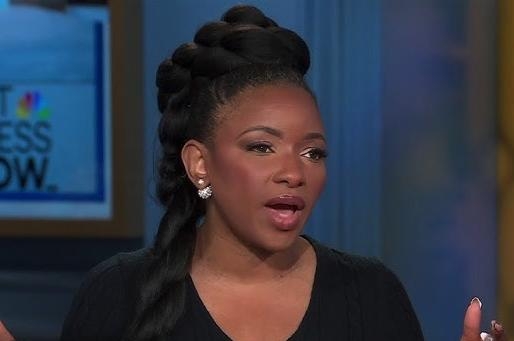
Rep. Jasmine Crockett, a Democratic member of Congress, faced backlash following her recent speech on the House floor where she alleged connections between Republican politicians and an individual linked to the name Jeffrey Epstein. Her comments, intended to highlight financial ties, were quickly met with scrutiny and confusion as they mistakenly referenced a different person entirely.
During her address, Crockett listed names of prominent GOP figures, suggesting they received donations from Epstein. The problem arose when it was revealed that the Epstein in question was not the convicted sex offender and financier, but rather a physician named Dr. Jeffrey Epstein, who has no relation to the infamous figure. Republican Lee Zeldin, responding on social media, noted the error, emphasizing the importance of verifying facts before making serious allegations.
This incident is not isolated. Crockett has developed a reputation for provocative statements, often veering into controversial territory. Last year, she drew criticism for agreeing with a public claim that Republicans “want poor people to die as quickly as humanly possible.” Such remarks have raised questions about her approach to public discourse and the implications for her party’s image.
Crockett’s criticism of Texas Governor Greg Abbott also stirred controversy. During a Human Rights Campaign event, she referred to him as “Governor Hot Wheels,” a comment that faced significant backlash for its perceived insensitivity towards Abbott’s disability. While she later claimed her remarks were not intended to mock his condition, her previous social media activity suggested otherwise, further complicating her public persona.
This pattern of behavior draws attention to broader issues within political communication. Critics argue that if a Republican official had made similar misstatements or derogatory comments, the media response would have been swift and severe. In contrast, Crockett’s actions have received a mixture of applause and silence, exposing a potential double standard in political discourse.
The incident has sparked discussions about the quality of political leadership and communication styles. Some observers express concern that such tactics prioritize sensationalism over substantive dialogue, potentially undermining trust in public officials. The trajectory of Crockett’s career raises questions about the Democratic Party’s future direction, particularly in balancing boldness with accountability.
As this story develops, it serves as a reminder of the importance of accuracy and decorum in political discussions. The implications of misrepresentations and inflammatory rhetoric can be far-reaching, impacting both public perception and the political landscape. With leaders like Crockett gaining visibility, the question remains: how will the Democratic Party navigate the complexities of modern political communication?

Robinhood Stock Surges 2.5% Today Amid Tech Market Recovery

Philadelphia’s Earth Month Kicks Off with Free Events in Parks

GSK’s Inhaler Decision Sparks Health Concerns for Children

Bradford’s Fish Fry Fridays Offer Community Spirit and Flavor

Speculation Rises on Shutdowns During Trump’s Potential Presidency

Samsung Galaxy Watch 9 to Feature Larger Battery, Report Reveals

Inventors Find New Purpose Through Unconventional Paths

UConn Huskies Aim for Back-to-Back Titles in 2026 NCAA Tournament

U.S. Mine Countermeasure Ships Dock in Malaysia for Logistics Stop

University of Hawaiʻi at Mānoa Joins $25.6M AI Initiative for Disaster Monitoring

$2.2 Million Boost for Cancer Research and Training in Hawaiʻi

ALMA Discovers Companion Orbiting Red Giant Star π 1 Gruis

Sacituzumab Govitecan Shows Promise for HR+/HER2− Breast Cancer

币安人生 Sees $15.92 Million in Trading Volume Amid Market Fluctuations

New Gel Offers Hope for Regrowing Tooth Enamel in Dentistry

CAVA Group Shares Surge 5.1% Amid Mixed Analyst Ratings

Christian Bale in Talks to Join Leonardo DiCaprio in Heat 2

Supreme Court to Review Birthright Citizenship for Children of Immigrants
-
Science9 months ago
University of Hawaiʻi at Mānoa Joins $25.6M AI Initiative for Disaster Monitoring
-
 Health7 months ago
$2.2 Million Boost for Cancer Research and Training in Hawaiʻi
-
 Science9 months ago
ALMA Discovers Companion Orbiting Red Giant Star π 1 Gruis
-
 Health7 months ago
Sacituzumab Govitecan Shows Promise for HR+/HER2− Breast Cancer
-
Politics5 months ago
币安人生 Sees $15.92 Million in Trading Volume Amid Market Fluctuations
-
 Health9 months ago
New Gel Offers Hope for Regrowing Tooth Enamel in Dentistry
-
 Business8 months ago
CAVA Group Shares Surge 5.1% Amid Mixed Analyst Ratings
-
 Entertainment9 months ago
Christian Bale in Talks to Join Leonardo DiCaprio in Heat 2
-
 Politics8 months ago
Supreme Court to Review Birthright Citizenship for Children of Immigrants
-

 Lifestyle9 months ago
Art Deco and Traditional Designs Set to Transform Homes in 2026
-

 Lifestyle8 months ago
Fernando Mendoza Secures Maxwell and O’Brien Awards Ahead of Heisman
-

 World8 months ago
Swiss Residents Reject 50% Inheritance Tax on Wealthy