
Politics
Epstein Files Release Sparks Controversy Over Transparency and Accountability

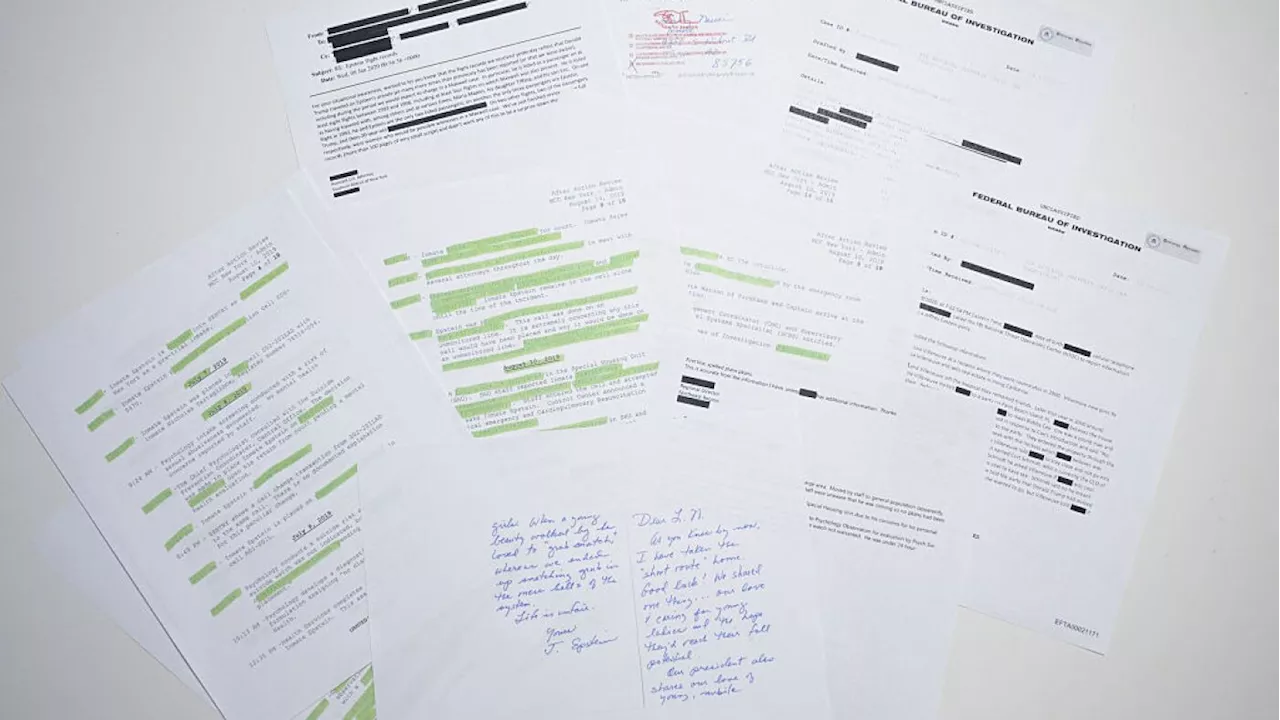
The recent release of documents related to the late financier Jeffrey Epstein has intensified scrutiny over transparency in government investigations. This comes after a series of controversial communications from President Donald Trump and mounting pressure from Congress. As of now, the extent of the remaining unreleased files remains unclear, raising further questions about accountability.
During his 2024 presidential campaign, Trump assured voters that he would disclose the Epstein files, framing it as part of a broader narrative about powerful individuals concealing information from the public. Despite these promises, many critics argue that the current administration, including Trump, has not fulfilled this commitment. As the political landscape shifts, the notion that powerful figures might still be obscuring the truth has gained traction among the public.
The latest batch of documents, released in December 2025, consists of approximately 40,000 pages, many of which are heavily redacted and lack proper organization. This has left both supporters and opponents of the president dissatisfied. Among the newly available information are unverified public tips and a complaint lodged with the FBI over a decade before Epstein’s first criminal charges. The Department of Justice (DOJ) has indicated that over a million files could remain undisclosed, alongside significant digital evidence seized from Epstein’s estate.
Efforts to ensure the release of these documents are intensified by bipartisan concerns. A group of lawmakers is urging the DOJ to comply with the Epstein Files Transparency Act, which mandates the disclosure of all unclassified records by December 19, 2025. Although the law allows for certain redactions to protect victim identities, it has no penalties for non-compliance, leading to frustration among advocates for transparency.
Lawyer Pam Bondi, representing the DOJ, stated that a team of lawyers is working diligently to review the documents while ensuring necessary redactions to protect victims. She emphasized the administration’s commitment to transparency and victim protection. Nonetheless, lawmakers like Ro Khanna have expressed skepticism regarding the DOJ’s pace and the completeness of the files being released.
The release of these documents has also reignited discussions about Epstein’s connections with influential figures across various sectors, including politics and academia. Notably, Trump had a longstanding relationship with Epstein, although he has never been accused of wrongdoing in connection with Epstein’s crimes. Newly released emails suggest Trump traveled on Epstein’s private jet more frequently than previously reported, further complicating public perceptions.
The release has also revealed new allegations and unverified claims that have given rise to further conspiracy theories. A recent instance involved a purported video of Epstein’s death in prison, which the DOJ later clarified was false. This situation illustrates the challenges the DOJ faces in managing public expectations during the ongoing release process.
Despite the legislative push for transparency, some documents detailing interviews with Epstein’s victims remain absent. Khanna pointed out that survivors had previously identified other individuals involved in the trafficking network during discussions with the FBI, yet no related materials have been made public.
As the political ramifications of these ongoing disclosures unfold, the uncertainty surrounding the Epstein files is expected to grow. The upcoming midterm elections in November 2026 may further complicate the situation, as lawmakers and victims continue to advocate for the complete release of all relevant documents.
The controversy surrounding the Epstein files highlights a broader concern about transparency and accountability in government investigations. With ongoing demands for clarity, the fate of the remaining documents and the public’s quest for truth remains uncertain as the political landscape continues to evolve.

Robinhood Stock Surges 2.5% Today Amid Tech Market Recovery

Philadelphia’s Earth Month Kicks Off with Free Events in Parks

GSK’s Inhaler Decision Sparks Health Concerns for Children

Bradford’s Fish Fry Fridays Offer Community Spirit and Flavor

Speculation Rises on Shutdowns During Trump’s Potential Presidency

Samsung Galaxy Watch 9 to Feature Larger Battery, Report Reveals

Inventors Find New Purpose Through Unconventional Paths

UConn Huskies Aim for Back-to-Back Titles in 2026 NCAA Tournament

U.S. Mine Countermeasure Ships Dock in Malaysia for Logistics Stop

University of Hawaiʻi at Mānoa Joins $25.6M AI Initiative for Disaster Monitoring

$2.2 Million Boost for Cancer Research and Training in Hawaiʻi

ALMA Discovers Companion Orbiting Red Giant Star π 1 Gruis

Sacituzumab Govitecan Shows Promise for HR+/HER2− Breast Cancer

币安人生 Sees $15.92 Million in Trading Volume Amid Market Fluctuations

New Gel Offers Hope for Regrowing Tooth Enamel in Dentistry

CAVA Group Shares Surge 5.1% Amid Mixed Analyst Ratings

Christian Bale in Talks to Join Leonardo DiCaprio in Heat 2

Supreme Court to Review Birthright Citizenship for Children of Immigrants
-
Science9 months ago
University of Hawaiʻi at Mānoa Joins $25.6M AI Initiative for Disaster Monitoring
-
 Health7 months ago
$2.2 Million Boost for Cancer Research and Training in Hawaiʻi
-
 Science9 months ago
ALMA Discovers Companion Orbiting Red Giant Star π 1 Gruis
-
 Health7 months ago
Sacituzumab Govitecan Shows Promise for HR+/HER2− Breast Cancer
-
Politics5 months ago
币安人生 Sees $15.92 Million in Trading Volume Amid Market Fluctuations
-
 Health9 months ago
New Gel Offers Hope for Regrowing Tooth Enamel in Dentistry
-
 Business8 months ago
CAVA Group Shares Surge 5.1% Amid Mixed Analyst Ratings
-
 Entertainment8 months ago
Christian Bale in Talks to Join Leonardo DiCaprio in Heat 2
-
 Politics8 months ago
Supreme Court to Review Birthright Citizenship for Children of Immigrants
-

 Lifestyle8 months ago
Art Deco and Traditional Designs Set to Transform Homes in 2026
-

 Lifestyle8 months ago
Fernando Mendoza Secures Maxwell and O’Brien Awards Ahead of Heisman
-

 World8 months ago
Swiss Residents Reject 50% Inheritance Tax on Wealthy