
Politics
Family Etiquette Disputes Emerge Over New Table Manners

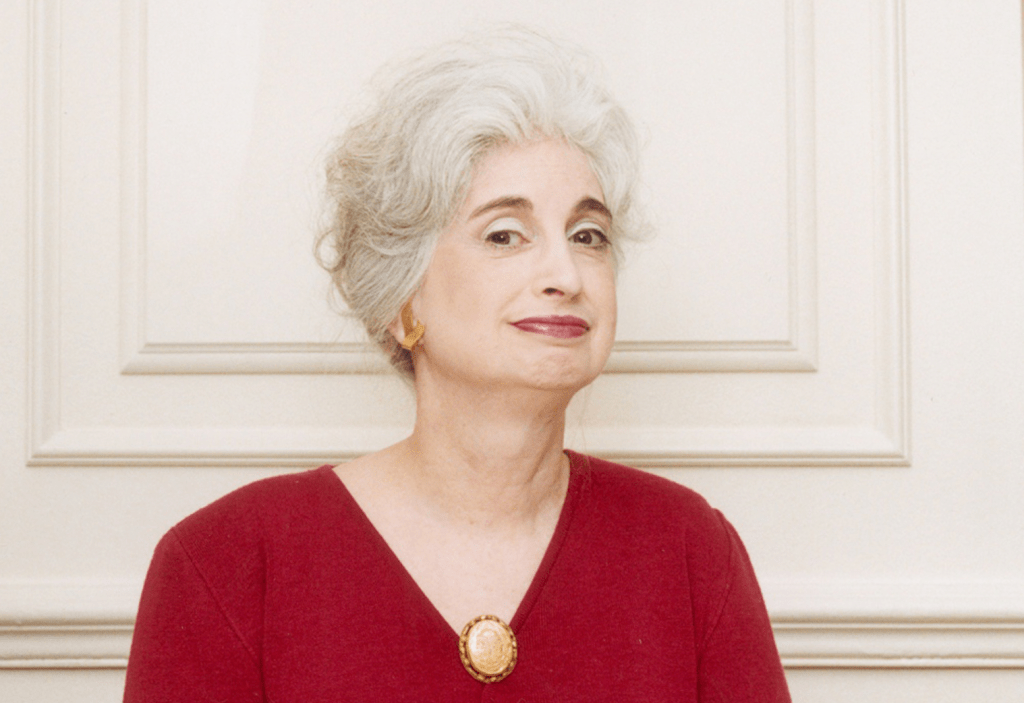
A notable etiquette dispute has arisen within a family concerning the dining habits adopted by the husbands of two adult daughters. The mother, who learned etiquette from her own mother, is distressed by what she perceives as a decline in manners at the dinner table. She describes these new practices as offensive and lacking basic decency, which she believes are now being embraced by her teenage grandchildren.
Among the behaviors that have caused concern are placing arms on the table, propping one foot on a chair with the knee elevated, aggressive cutting of food, and eating before everyone has been seated. The mother notes that these habits were not present in her upbringing and expresses sadness at witnessing her grandchildren adopt them.
Miss Manners, the well-known etiquette expert, provided a response to this family’s situation. She emphasized that just because certain behaviors are common does not make them acceptable. She advised the concerned mother to relinquish her hope of changing the adults in her family. “You had your chance, they know better, and may still be able to do better if they encounter situations where they are afraid of making a bad impression,” Miss Manners stated.
Opportunities for Influence
While the adults may be set in their ways, Miss Manners suggested that the mother still has an opportunity to influence her grandchildren. She pointed out that teenagers often care about making a good impression, particularly in settings like college interviews and social gatherings. “Your grandchildren are unaware of the rules—and of the advantages that knowing them can provide,” she remarked.
To effectively teach proper table manners, Miss Manners recommended that the mother avoid criticizing the parents of her grandchildren. Instead, she suggested hosting a pleasant dinner and introducing the topic of etiquette in a gentle manner. This approach would allow the grandchildren to learn the importance of good manners without feeling defensive.
Miss Manners also emphasized that social situations can present valuable teaching moments. “There are ample situations where your grandchildren may want to impress adults,” she noted, highlighting the significance of understanding etiquette in various social contexts.
As etiquette evolves, the challenge remains for individuals to navigate these changes while holding onto traditional values. For those affected by the shift in dining manners, the key lies in finding constructive ways to impart knowledge and values across generations.
In conclusion, Miss Manners encourages individuals facing similar dilemmas to approach the situation with understanding and patience, recognizing that manners can carry different meanings across different contexts. The family’s dining habits may reflect broader societal changes, but opportunities for positive influence remain, especially when guided by love and respect.

Robinhood Stock Surges 2.5% Today Amid Tech Market Recovery

Philadelphia’s Earth Month Kicks Off with Free Events in Parks

GSK’s Inhaler Decision Sparks Health Concerns for Children

Bradford’s Fish Fry Fridays Offer Community Spirit and Flavor

Speculation Rises on Shutdowns During Trump’s Potential Presidency

Samsung Galaxy Watch 9 to Feature Larger Battery, Report Reveals

Inventors Find New Purpose Through Unconventional Paths

UConn Huskies Aim for Back-to-Back Titles in 2026 NCAA Tournament

U.S. Mine Countermeasure Ships Dock in Malaysia for Logistics Stop

University of Hawaiʻi at Mānoa Joins $25.6M AI Initiative for Disaster Monitoring

$2.2 Million Boost for Cancer Research and Training in Hawaiʻi

ALMA Discovers Companion Orbiting Red Giant Star π 1 Gruis

Sacituzumab Govitecan Shows Promise for HR+/HER2− Breast Cancer

币安人生 Sees $15.92 Million in Trading Volume Amid Market Fluctuations

New Gel Offers Hope for Regrowing Tooth Enamel in Dentistry

CAVA Group Shares Surge 5.1% Amid Mixed Analyst Ratings

Christian Bale in Talks to Join Leonardo DiCaprio in Heat 2

Supreme Court to Review Birthright Citizenship for Children of Immigrants
-
Science8 months ago
University of Hawaiʻi at Mānoa Joins $25.6M AI Initiative for Disaster Monitoring
-
 Health7 months ago
$2.2 Million Boost for Cancer Research and Training in Hawaiʻi
-
 Science8 months ago
ALMA Discovers Companion Orbiting Red Giant Star π 1 Gruis
-
 Health7 months ago
Sacituzumab Govitecan Shows Promise for HR+/HER2− Breast Cancer
-
Politics4 months ago
币安人生 Sees $15.92 Million in Trading Volume Amid Market Fluctuations
-
 Health8 months ago
New Gel Offers Hope for Regrowing Tooth Enamel in Dentistry
-
 Business7 months ago
CAVA Group Shares Surge 5.1% Amid Mixed Analyst Ratings
-
 Entertainment8 months ago
Christian Bale in Talks to Join Leonardo DiCaprio in Heat 2
-
 Politics7 months ago
Supreme Court to Review Birthright Citizenship for Children of Immigrants
-

 Lifestyle8 months ago
Art Deco and Traditional Designs Set to Transform Homes in 2026
-

 Lifestyle7 months ago
Fernando Mendoza Secures Maxwell and O’Brien Awards Ahead of Heisman
-

 World8 months ago
Swiss Residents Reject 50% Inheritance Tax on Wealthy