
Politics
Iranian Protests Reveal Erosion of Regime’s Fear Tactics

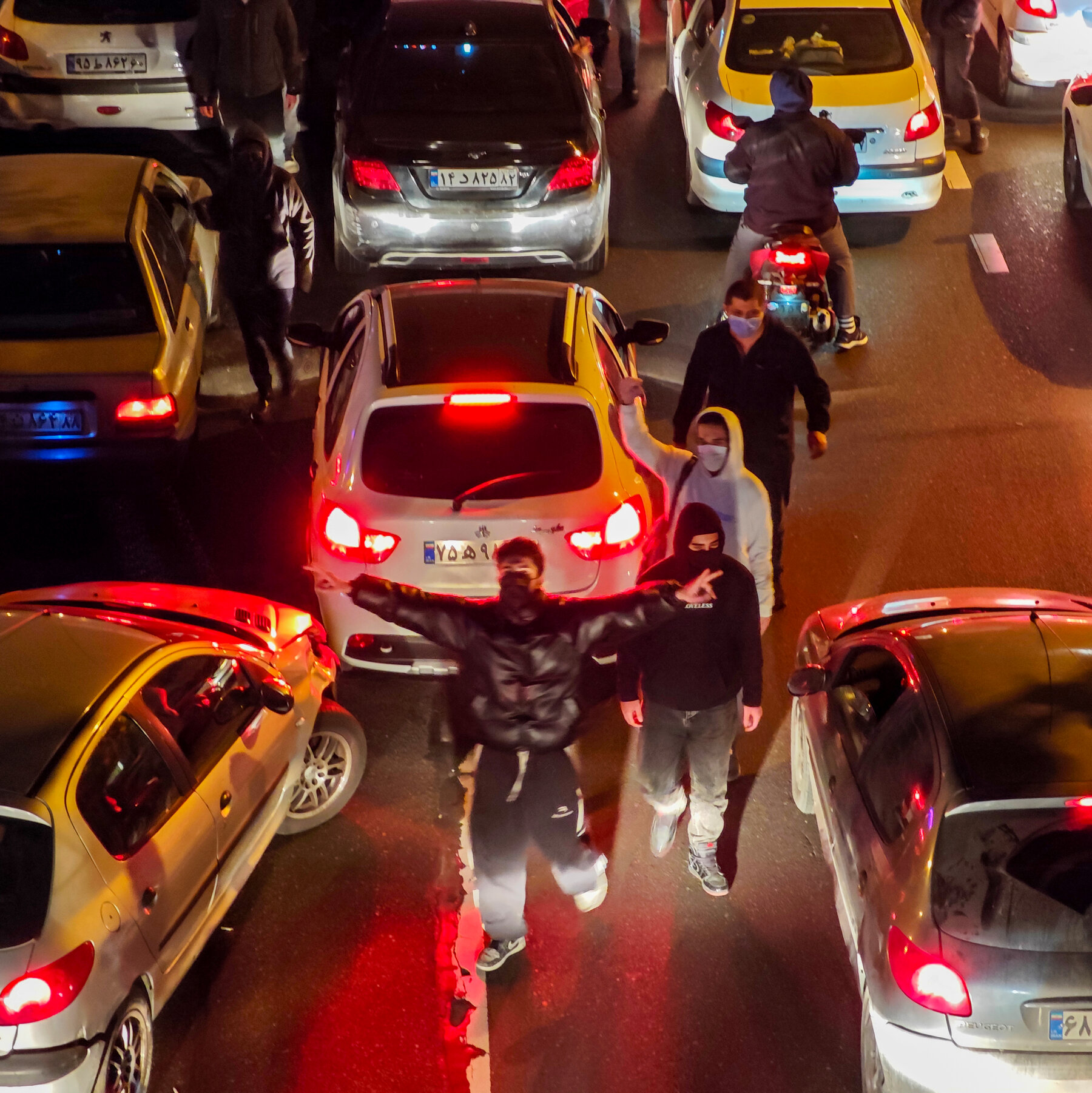
The Iranian regime’s stronghold on power, largely maintained through a climate of fear, is showing signs of vulnerability. Recent protests across Iran have gained momentum, indicating that fear, once the regime’s greatest weapon, is losing its effectiveness. These demonstrations, sparked by the death of young woman Mahsa Amini in September 2022, have turned into a broader movement challenging the regime’s authority.
In cities like Tehran and beyond, thousands of protesters have taken to the streets, demanding justice and broader freedoms. These gatherings reflect a significant shift in public sentiment, as citizens express their discontent with the ongoing repression. The protests, initially focused on Amini’s death, have evolved into calls for systemic change, highlighting various grievances against the government.
The international community is closely monitoring these developments. Human rights organizations have reported an increase in protests and civil unrest, emphasizing the regime’s struggle to suppress dissent. The Iranian regime has responded with force, deploying security forces to quell the unrest. Despite these efforts, a persistent wave of demonstrations continues, suggesting that the government’s tactics may not be enough to restore the fear that once kept many citizens silent.
Shift in Public Sentiment
The current protests mark a significant moment in Iran’s recent history. The unrest is no longer limited to specific issues; it reflects a widespread demand for political reform. Many Iranians are now openly challenging the regime’s legitimacy, indicating a growing sense of empowerment among the populace. The protests are fueled by economic hardship, political repression, and a desire for social freedoms, creating a potent mix that threatens the regime’s stability.
According to reports from various human rights organizations, the protests have seen participation from diverse demographics, including women, youth, and even members of the working class. This broad coalition of supporters is a departure from previous movements, which were often fractured along social and economic lines. The regime’s attempts to isolate and intimidate dissenters have proven less effective as more citizens unite around common goals.
The protests’ visibility has also increased due to the role of social media. Activists are utilizing these platforms to share information, mobilize supporters, and document abuses by security forces. This increased connectivity has made it more challenging for the regime to control the narrative and suppress dissenting voices.
Consequences for the Regime
The Iranian regime is facing unprecedented challenges as it grapples with the growing unrest. Analysts note that the erosion of fear as a control mechanism could lead to more sustained and organized resistance. While the regime still holds significant power, the combination of public dissatisfaction and increased activism may force it to reconsider its approach to governance.
Internationally, the response to these developments has been mixed. Some governments have called for a reassessment of their diplomatic ties with Iran, urging the regime to respect human rights and allow for peaceful protest. The pressure from the global community may further complicate the regime’s response to the unrest, as it seeks to balance internal stability with international scrutiny.
As the situation unfolds, the coming weeks will be critical in determining the future trajectory of these protests. The Iranian regime’s ability to adapt and respond to growing dissent will not only impact its legitimacy but also shape the political landscape of the country for years to come. The ongoing demonstrations signal a pivotal moment in Iran, as citizens demonstrate their willingness to challenge the status quo and demand change.

Robinhood Stock Surges 2.5% Today Amid Tech Market Recovery

Philadelphia’s Earth Month Kicks Off with Free Events in Parks

GSK’s Inhaler Decision Sparks Health Concerns for Children

Bradford’s Fish Fry Fridays Offer Community Spirit and Flavor

Speculation Rises on Shutdowns During Trump’s Potential Presidency

Samsung Galaxy Watch 9 to Feature Larger Battery, Report Reveals

Inventors Find New Purpose Through Unconventional Paths

UConn Huskies Aim for Back-to-Back Titles in 2026 NCAA Tournament

U.S. Mine Countermeasure Ships Dock in Malaysia for Logistics Stop

University of Hawaiʻi at Mānoa Joins $25.6M AI Initiative for Disaster Monitoring

$2.2 Million Boost for Cancer Research and Training in Hawaiʻi

ALMA Discovers Companion Orbiting Red Giant Star π 1 Gruis

Sacituzumab Govitecan Shows Promise for HR+/HER2− Breast Cancer

币安人生 Sees $15.92 Million in Trading Volume Amid Market Fluctuations

New Gel Offers Hope for Regrowing Tooth Enamel in Dentistry

CAVA Group Shares Surge 5.1% Amid Mixed Analyst Ratings

Christian Bale in Talks to Join Leonardo DiCaprio in Heat 2

Supreme Court to Review Birthright Citizenship for Children of Immigrants
-
Science9 months ago
University of Hawaiʻi at Mānoa Joins $25.6M AI Initiative for Disaster Monitoring
-
 Health7 months ago
$2.2 Million Boost for Cancer Research and Training in Hawaiʻi
-
 Science8 months ago
ALMA Discovers Companion Orbiting Red Giant Star π 1 Gruis
-
 Health7 months ago
Sacituzumab Govitecan Shows Promise for HR+/HER2− Breast Cancer
-
Politics5 months ago
币安人生 Sees $15.92 Million in Trading Volume Amid Market Fluctuations
-
 Health9 months ago
New Gel Offers Hope for Regrowing Tooth Enamel in Dentistry
-
 Business7 months ago
CAVA Group Shares Surge 5.1% Amid Mixed Analyst Ratings
-
 Entertainment8 months ago
Christian Bale in Talks to Join Leonardo DiCaprio in Heat 2
-
 Politics7 months ago
Supreme Court to Review Birthright Citizenship for Children of Immigrants
-

 Lifestyle8 months ago
Art Deco and Traditional Designs Set to Transform Homes in 2026
-

 Lifestyle7 months ago
Fernando Mendoza Secures Maxwell and O’Brien Awards Ahead of Heisman
-

 World8 months ago
Swiss Residents Reject 50% Inheritance Tax on Wealthy