
Politics
Justice Department Discontinues Community Relations Service Amid Protests

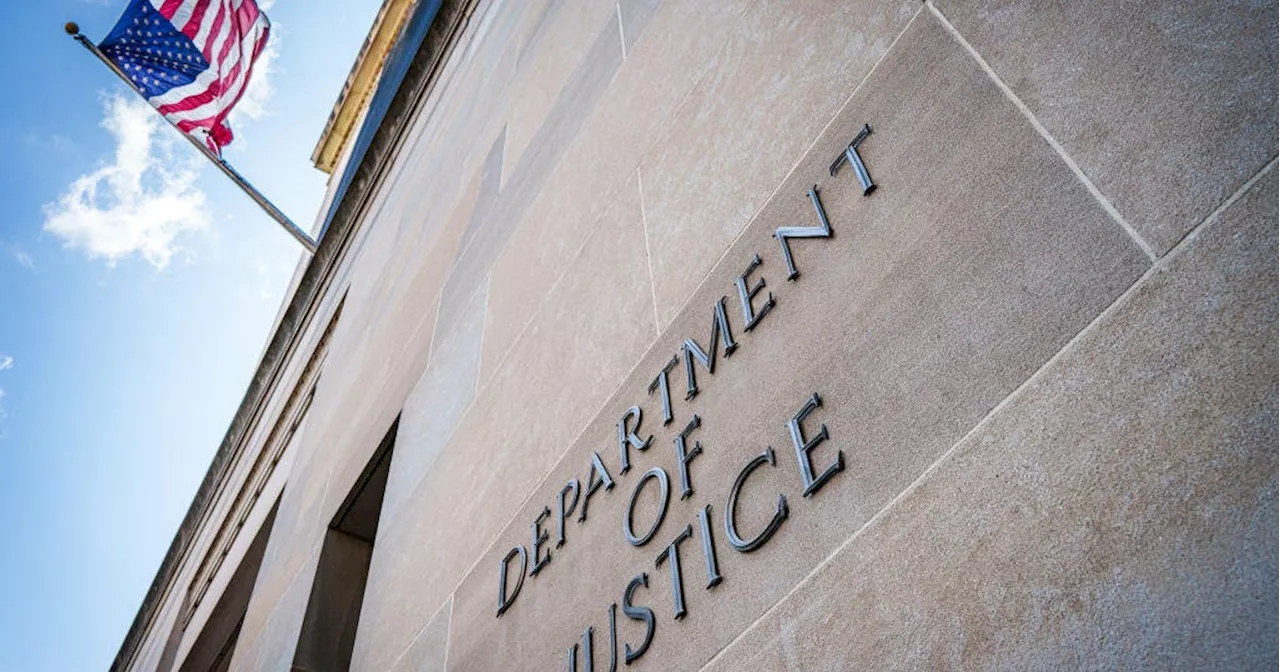
The U.S. Justice Department has announced the discontinuation of its Community Relations Service (CRS), a move that comes as protests intensify in cities such as Minneapolis and Portland. The CRS, known for its role in de-escalating tensions between law enforcement and communities, has faced cuts under the Trump administration, which has been criticized for abandoning its “peacemakers” during a time of growing unrest.
Established during the civil rights era, the CRS was designed to foster dialogue and reduce conflict, often involving specialists who acted as mediators in volatile situations. Historically, the department had a robust response strategy for crises like those currently unfolding in Minneapolis, where community relations are under strain. The CRS maintained a permanent presence in Minnesota and had deployed specialists from various cities to assist in managing local tensions.
The Trump administration’s 2025 budget report indicated a plan to eliminate the office altogether, moving from a staff of 56 to zero in a bid to save approximately $24 million. According to the administration, the CRS’s mission no longer aligned with the law enforcement priorities set by Attorney General William Barr.
Critics of the decision emphasize the importance of the CRS’s neutral role, particularly as communities grapple with distrust towards law enforcement. Julius Nam, a former prosecutor and CRS specialist, noted, “The office has had a neutral, impartial role. That is so important in these situations.” The CRS facilitated numerous formal mediation sessions and conducted extensive training programs between 2021 and 2024, highlighting its ongoing commitment to community engagement.
Impact on Community Relations
The CRS previously played a pivotal role in responding to high-profile incidents, including the killing of George Floyd in 2020. Reports indicate that the service’s deployment during the trial of Derek Chauvin was its largest in 2021, with mediators working to foster dialogue amidst heightened tensions. Former CRS official Bert Brandenburg expressed concern over sidelining the office, stating, “When we sideline peacemakers, we all pay the price.”
The Justice Department has shifted the responsibilities of the CRS to federal prosecutors’ offices nationwide, claiming this transition will enhance efficiency and save over $11 million. Critics argue that this approach undermines the office’s foundational goal of fostering trust and neutrality in community relations.
Legal Challenges and Future Funding
In response to the closure, nearly a dozen civil rights organizations, including the NAACP St. Louis County, have filed a lawsuit in Massachusetts. They contend that the dismantling of the CRS was unlawful and disrupted ongoing mediation efforts between community groups and law enforcement. The lawsuit highlights concerns that the administration’s actions left communities without essential peacemaking support.
As discussions about funding for the CRS continue, a new federal funding bill proposes allocating $20 million to support the service if approved. Support from congressional Democrats appears strong, with nearly 100 lawmakers backing a motion that argues the closure of the CRS was executed without proper justification.
The CRS’s establishment in the 1960s came during a period of significant civil unrest, serving as a critical resource in addressing tensions between communities and law enforcement. Its historic successes include preventing riots and easing racial tensions in various instances, demonstrating its relevance in contemporary society.
As the situation in Minneapolis and beyond evolves, the impact of the Justice Department’s decision to dissolve the CRS remains to be seen. Observers like Nam caution that the administration’s approach may fall short of effectively addressing the complex challenges that communities currently face.

Robinhood Stock Surges 2.5% Today Amid Tech Market Recovery

Philadelphia’s Earth Month Kicks Off with Free Events in Parks

GSK’s Inhaler Decision Sparks Health Concerns for Children

Bradford’s Fish Fry Fridays Offer Community Spirit and Flavor

Speculation Rises on Shutdowns During Trump’s Potential Presidency

Samsung Galaxy Watch 9 to Feature Larger Battery, Report Reveals

Inventors Find New Purpose Through Unconventional Paths

UConn Huskies Aim for Back-to-Back Titles in 2026 NCAA Tournament

U.S. Mine Countermeasure Ships Dock in Malaysia for Logistics Stop

University of Hawaiʻi at Mānoa Joins $25.6M AI Initiative for Disaster Monitoring

$2.2 Million Boost for Cancer Research and Training in Hawaiʻi

ALMA Discovers Companion Orbiting Red Giant Star π 1 Gruis

Sacituzumab Govitecan Shows Promise for HR+/HER2− Breast Cancer

币安人生 Sees $15.92 Million in Trading Volume Amid Market Fluctuations

New Gel Offers Hope for Regrowing Tooth Enamel in Dentistry

CAVA Group Shares Surge 5.1% Amid Mixed Analyst Ratings

Christian Bale in Talks to Join Leonardo DiCaprio in Heat 2

Supreme Court to Review Birthright Citizenship for Children of Immigrants
-
Science9 months ago
University of Hawaiʻi at Mānoa Joins $25.6M AI Initiative for Disaster Monitoring
-
 Health7 months ago
$2.2 Million Boost for Cancer Research and Training in Hawaiʻi
-
 Science9 months ago
ALMA Discovers Companion Orbiting Red Giant Star π 1 Gruis
-
 Health7 months ago
Sacituzumab Govitecan Shows Promise for HR+/HER2− Breast Cancer
-
Politics5 months ago
币安人生 Sees $15.92 Million in Trading Volume Amid Market Fluctuations
-
 Health9 months ago
New Gel Offers Hope for Regrowing Tooth Enamel in Dentistry
-
 Business8 months ago
CAVA Group Shares Surge 5.1% Amid Mixed Analyst Ratings
-
 Entertainment8 months ago
Christian Bale in Talks to Join Leonardo DiCaprio in Heat 2
-
 Politics8 months ago
Supreme Court to Review Birthright Citizenship for Children of Immigrants
-

 Lifestyle8 months ago
Art Deco and Traditional Designs Set to Transform Homes in 2026
-

 Lifestyle8 months ago
Fernando Mendoza Secures Maxwell and O’Brien Awards Ahead of Heisman
-

 World8 months ago
Swiss Residents Reject 50% Inheritance Tax on Wealthy