
Politics
Outcry Grows Against Collective Punishment for Afghan Immigrants

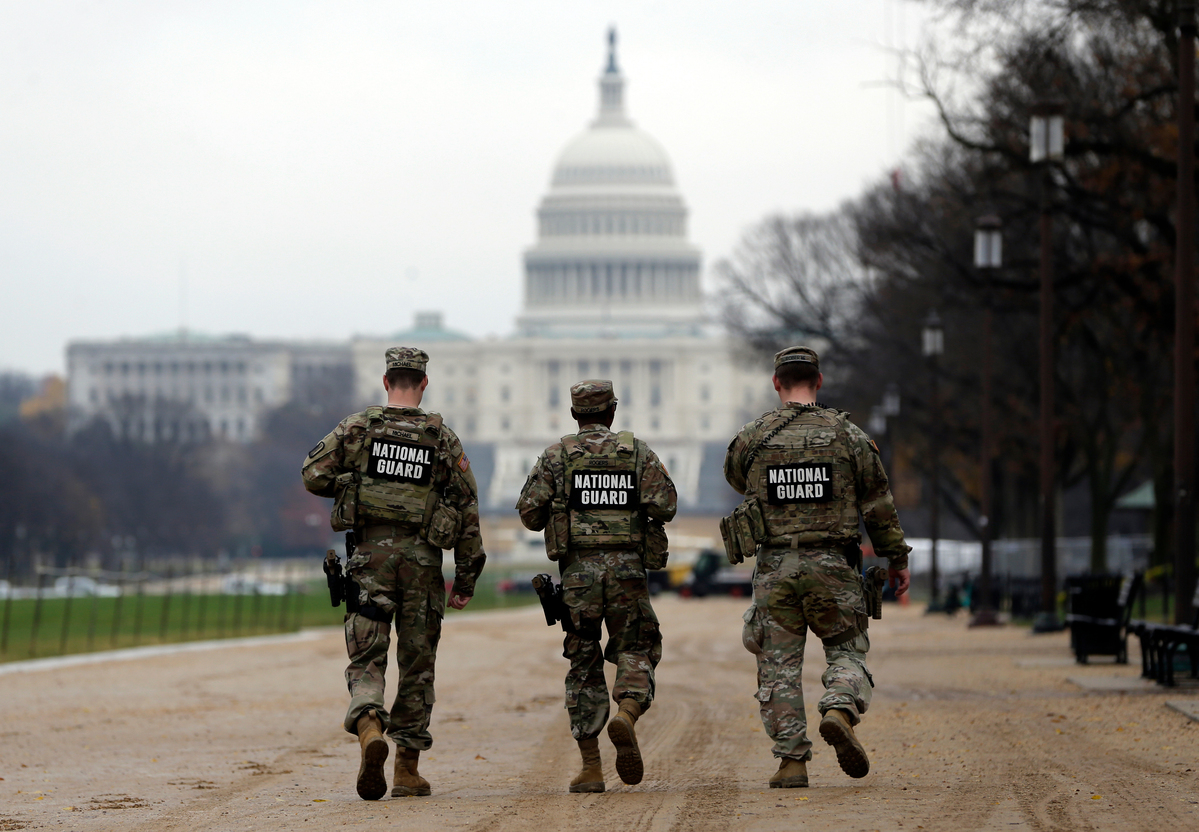
A tragic shooting incident in Washington, D.C. last week has sparked widespread condemnation of proposed punitive measures against Afghan immigrants. Specialist Sarah Beckstrom, a 20-year-old member of the West Virginia National Guard, lost her life due to injuries sustained during the attack. The shooter, identified as Rahmanullah Lakanwal, reportedly struggled with mental health issues and had previously been vetted by U.S. authorities.
In the aftermath of this incident, the Trump administration has suggested collective punishment for all recent immigrants from Afghanistan. This move has drawn sharp criticism, with many arguing that it unfairly targets entire communities for the actions of a single individual. Critics point out that this approach is akin to blaming all white individuals for mass shootings predominantly committed by white males.
The administration’s narrative appears to exploit this tragedy to further its longstanding agenda against immigrants, particularly those who are not white. Notably, Lakanwal, who entered the U.S. in 2021, had worked with the CIA in Afghanistan, assisting in operations against the Taliban. His asylum was granted by the Trump administration earlier this spring, highlighting the complexities surrounding immigration and security.
Legal and Ethical Implications of Responding to Violence
The death of Specialist Beckstrom brings additional layers of legal and ethical concerns to the forefront. A recent ruling declared the deployment of National Guard troops in Washington, D.C. to be illegal, yet no immediate withdrawal was ordered. The Trump administration is now leveraging Beckstrom’s death to justify the continued presence of National Guard forces in various U.S. cities, despite other legal challenges against such deployments.
Furthermore, the situation for Afghan allies remains precarious. After the chaotic U.S. withdrawal from Afghanistan, thousands of Afghan citizens who supported U.S. military efforts are in danger. Many have sought refuge in the United States, with numerous resettled families now residing in areas such as Maine. Veterans groups have tirelessly worked to facilitate the immigration of these allies, but legislative inaction has stalled their progress, leaving many in limbo.
Call for Congressional Action to Protect Immigrants
The potential for mass deportations based on the actions of one individual sends a chilling message to future allies regarding U.S. reliability. The Wall Street Journal editorial board emphasized the dangers of collective punishment, stating, “It would be a shame if this single act of betrayal became the excuse for deporting all Afghan refugees in the U.S.” They argue that tens of thousands of Afghan immigrants are now contributing positively to American society and should not be held accountable for one person’s violent act.
Beyond the Afghan community, millions of immigrants have built lives in the United States, creating families and businesses. Threatening their existence due to a single tragic event is not only heartless but also counterproductive to the nation’s values and safety. As discussions continue, it becomes increasingly clear that a more compassionate and nuanced approach is necessary to address the complexities of immigration and national security.
The call for action from Congress is pivotal. Lawmakers must step forward to ensure that the rights of vulnerable populations are protected and that the U.S. remains a place of refuge for those in need.

Robinhood Stock Surges 2.5% Today Amid Tech Market Recovery

Philadelphia’s Earth Month Kicks Off with Free Events in Parks

GSK’s Inhaler Decision Sparks Health Concerns for Children

Bradford’s Fish Fry Fridays Offer Community Spirit and Flavor

Speculation Rises on Shutdowns During Trump’s Potential Presidency

Samsung Galaxy Watch 9 to Feature Larger Battery, Report Reveals

Inventors Find New Purpose Through Unconventional Paths

UConn Huskies Aim for Back-to-Back Titles in 2026 NCAA Tournament

U.S. Mine Countermeasure Ships Dock in Malaysia for Logistics Stop

University of Hawaiʻi at Mānoa Joins $25.6M AI Initiative for Disaster Monitoring

$2.2 Million Boost for Cancer Research and Training in Hawaiʻi

ALMA Discovers Companion Orbiting Red Giant Star π 1 Gruis

Sacituzumab Govitecan Shows Promise for HR+/HER2− Breast Cancer

币安人生 Sees $15.92 Million in Trading Volume Amid Market Fluctuations

New Gel Offers Hope for Regrowing Tooth Enamel in Dentistry

CAVA Group Shares Surge 5.1% Amid Mixed Analyst Ratings

Christian Bale in Talks to Join Leonardo DiCaprio in Heat 2

Supreme Court to Review Birthright Citizenship for Children of Immigrants
-
Science9 months ago
University of Hawaiʻi at Mānoa Joins $25.6M AI Initiative for Disaster Monitoring
-
 Health8 months ago
$2.2 Million Boost for Cancer Research and Training in Hawaiʻi
-
 Science9 months ago
ALMA Discovers Companion Orbiting Red Giant Star π 1 Gruis
-
 Health7 months ago
Sacituzumab Govitecan Shows Promise for HR+/HER2− Breast Cancer
-
Politics5 months ago
币安人生 Sees $15.92 Million in Trading Volume Amid Market Fluctuations
-
 Health9 months ago
New Gel Offers Hope for Regrowing Tooth Enamel in Dentistry
-
 Business8 months ago
CAVA Group Shares Surge 5.1% Amid Mixed Analyst Ratings
-
 Entertainment9 months ago
Christian Bale in Talks to Join Leonardo DiCaprio in Heat 2
-
 Politics8 months ago
Supreme Court to Review Birthright Citizenship for Children of Immigrants
-

 Lifestyle9 months ago
Art Deco and Traditional Designs Set to Transform Homes in 2026
-

 Lifestyle8 months ago
Fernando Mendoza Secures Maxwell and O’Brien Awards Ahead of Heisman
-

 World8 months ago
Swiss Residents Reject 50% Inheritance Tax on Wealthy