
Politics
Rubio Defends U.S. Role in Venezuela Following Maduro’s Capture

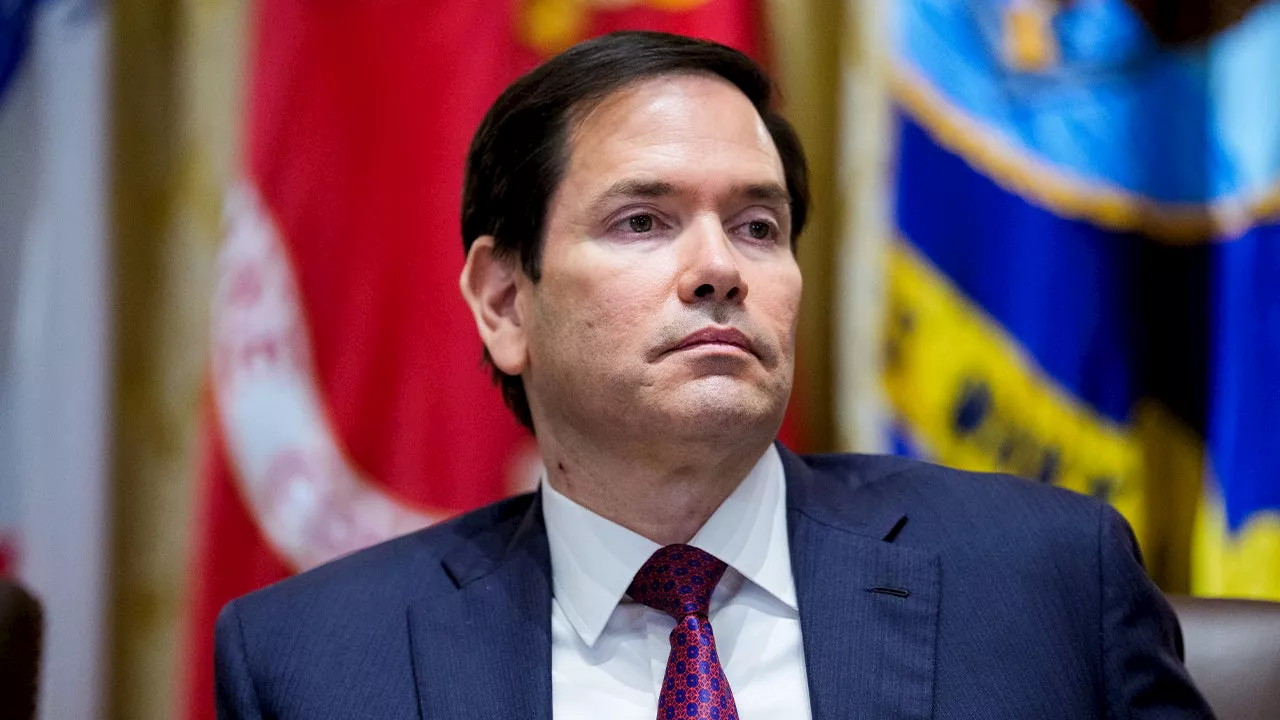
Following the capture of Venezuelan President Nicolás Maduro, U.S. Secretary of State Marco Rubio addressed questions regarding the United States’ involvement in Venezuela during an interview on ABC’s ‘This Week’ on March 10, 2024. The discussion focused on the legal and ethical implications of U.S. intervention in the South American nation amid a complex political landscape.
In a candid exchange with host George Stephanopoulos, Rubio faced persistent inquiries about the U.S. strategy and authority in Venezuela, particularly after President Donald Trump stated that the U.S. would oversee the country until a stable transition of power could be established. Rubio emphasized that the U.S. aims to leverage economic sanctions and legal measures to dismantle Venezuela’s status as a hub for narco-trafficking.
U.S. Strategy and Economic Leverage
Rubio clarified that the U.S. utilizes economic pressure, particularly through sanctions on Venezuelan oil, as a primary tool in its strategy. He highlighted the importance of these measures in creating a foundation for a future Venezuela free from drug trafficking and corruption. The Secretary of State pointed to recent court orders and enforcement actions, including the seizure of sanctioned vessels, as crucial components of the U.S. approach.
“We are committed to using every tool at our disposal to influence Venezuela’s trajectory,” Rubio stated. “The sanctions are designed to create the conditions for democratic change.”
Rubio’s comments reflect the administration’s broader objectives, which include not only targeting narco-trafficking but also fostering a political environment conducive to democratic elections. He expressed confidence that the international community shares this perspective and is eager for a transition to new leadership.
Throughout the interview, Rubio reaffirmed that while the U.S. is committed to its role in supporting Venezuelan citizens, it is not seeking to “run” the country. Instead, he framed U.S. involvement as a means of setting the stage for a transition and supporting law enforcement operations, particularly those conducted by the U.S. Coast Guard.
Challenges and Complexities Ahead
The exchange highlighted the intricate legal and political challenges facing the U.S. as it navigates its policy towards Venezuela. Rubio was pressed on concerns regarding the legality of U.S. actions and the extent of its authority in overseeing Venezuela’s governance. He maintained that the U.S. is acting within a framework designed to ensure regional stability and combat drug-related threats.
Rubio’s assertions come at a time when the legitimacy of the Maduro regime is under scrutiny, both domestically and internationally. The Secretary of State referenced the need for a transitional phase that would lead to free and fair elections, reflecting the U.S. belief in the necessity of democratic governance.
As the situation in Venezuela continues to evolve, the focus remains on the effectiveness of U.S. sanctions and the potential for a change in leadership. Rubio’s interview served to clarify the administration’s stance and strategies while underscoring the complexities involved in U.S. foreign policy in the region.
In conclusion, Rubio’s defense of U.S. actions in Venezuela reveals a commitment to addressing the challenges posed by the Maduro regime. The ongoing dialogue around legal authority and strategic ambitions illustrates the delicate balance the U.S. must maintain as it seeks to foster a more stable and democratic future for Venezuela.

Robinhood Stock Surges 2.5% Today Amid Tech Market Recovery

Philadelphia’s Earth Month Kicks Off with Free Events in Parks

GSK’s Inhaler Decision Sparks Health Concerns for Children

Bradford’s Fish Fry Fridays Offer Community Spirit and Flavor

Speculation Rises on Shutdowns During Trump’s Potential Presidency

Samsung Galaxy Watch 9 to Feature Larger Battery, Report Reveals

Inventors Find New Purpose Through Unconventional Paths

UConn Huskies Aim for Back-to-Back Titles in 2026 NCAA Tournament

U.S. Mine Countermeasure Ships Dock in Malaysia for Logistics Stop

University of Hawaiʻi at Mānoa Joins $25.6M AI Initiative for Disaster Monitoring

$2.2 Million Boost for Cancer Research and Training in Hawaiʻi

ALMA Discovers Companion Orbiting Red Giant Star π 1 Gruis

Sacituzumab Govitecan Shows Promise for HR+/HER2− Breast Cancer

币安人生 Sees $15.92 Million in Trading Volume Amid Market Fluctuations

New Gel Offers Hope for Regrowing Tooth Enamel in Dentistry

CAVA Group Shares Surge 5.1% Amid Mixed Analyst Ratings

Christian Bale in Talks to Join Leonardo DiCaprio in Heat 2

Supreme Court to Review Birthright Citizenship for Children of Immigrants
-
Science9 months ago
University of Hawaiʻi at Mānoa Joins $25.6M AI Initiative for Disaster Monitoring
-
 Health7 months ago
$2.2 Million Boost for Cancer Research and Training in Hawaiʻi
-
 Science9 months ago
ALMA Discovers Companion Orbiting Red Giant Star π 1 Gruis
-
 Health7 months ago
Sacituzumab Govitecan Shows Promise for HR+/HER2− Breast Cancer
-
Politics5 months ago
币安人生 Sees $15.92 Million in Trading Volume Amid Market Fluctuations
-
 Health9 months ago
New Gel Offers Hope for Regrowing Tooth Enamel in Dentistry
-
 Business8 months ago
CAVA Group Shares Surge 5.1% Amid Mixed Analyst Ratings
-
 Entertainment8 months ago
Christian Bale in Talks to Join Leonardo DiCaprio in Heat 2
-
 Politics8 months ago
Supreme Court to Review Birthright Citizenship for Children of Immigrants
-

 Lifestyle8 months ago
Art Deco and Traditional Designs Set to Transform Homes in 2026
-

 Lifestyle8 months ago
Fernando Mendoza Secures Maxwell and O’Brien Awards Ahead of Heisman
-

 World8 months ago
Swiss Residents Reject 50% Inheritance Tax on Wealthy