
Politics
Senate Approves Defense Policy Bill, Moves to Trump’s Desk

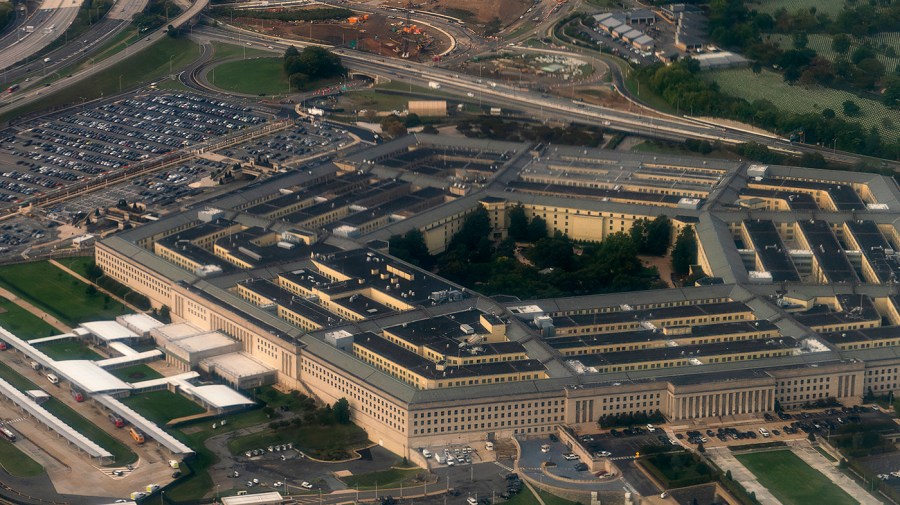
The United States Senate has passed the National Defense Authorization Act (NDAA), a comprehensive defense policy bill, with a vote of 77-20. This legislation, which spans over 3,000 pages, is now set to be sent to President Donald Trump for his signature. The NDAA outlines the defense priorities for the upcoming fiscal year and authorizes approximately $740 billion in spending for the Department of Defense and related activities.
The NDAA serves as a crucial framework for the U.S. military budget and includes provisions that affect military personnel, readiness, and equipment. This year’s bipartisan effort reflects a consensus among lawmakers regarding national security priorities, despite the ongoing challenges posed by the COVID-19 pandemic and economic uncertainties.
Key Provisions of the NDAA
Among the significant elements included in the NDAA are enhancements to military pay and benefits. The bill proposes a pay raise of 3% for military personnel, aiming to address recruitment and retention challenges within the armed forces. Additionally, the legislation emphasizes the modernization of military infrastructure and the acquisition of advanced technology to maintain the United States’ competitive edge globally.
Furthermore, the NDAA includes measures to counter potential threats, particularly from nations like Russia and China. Investments in cybersecurity, missile defense systems, and research into emerging technologies are notable components designed to bolster national security.
Bipartisan Support and Future Implications
The passage of the NDAA highlights a rare instance of bipartisan cooperation in a politically divided Congress. Lawmakers from both parties have expressed their commitment to ensuring that the military is adequately funded and equipped to meet evolving challenges. Senators praised the bill for its focus on both military readiness and support for service members and their families.
With the NDAA now awaiting President Trump’s signature, its approval could have significant implications for U.S. defense policy moving forward. Should the President sign the bill, it will officially authorize defense spending, shaping military operations and priorities for the next fiscal year beginning on October 1, 2021.
As the legislative process concludes, attention will shift to how the provisions of the NDAA are implemented and whether they effectively address the pressing security challenges faced by the United States. The outcome will not only impact military personnel but also influence broader national security strategies in an increasingly complex global landscape.

Robinhood Stock Surges 2.5% Today Amid Tech Market Recovery

Philadelphia’s Earth Month Kicks Off with Free Events in Parks

GSK’s Inhaler Decision Sparks Health Concerns for Children

Bradford’s Fish Fry Fridays Offer Community Spirit and Flavor

Speculation Rises on Shutdowns During Trump’s Potential Presidency

Samsung Galaxy Watch 9 to Feature Larger Battery, Report Reveals

Inventors Find New Purpose Through Unconventional Paths

UConn Huskies Aim for Back-to-Back Titles in 2026 NCAA Tournament

U.S. Mine Countermeasure Ships Dock in Malaysia for Logistics Stop

University of Hawaiʻi at Mānoa Joins $25.6M AI Initiative for Disaster Monitoring

$2.2 Million Boost for Cancer Research and Training in Hawaiʻi

ALMA Discovers Companion Orbiting Red Giant Star π 1 Gruis

Sacituzumab Govitecan Shows Promise for HR+/HER2− Breast Cancer

币安人生 Sees $15.92 Million in Trading Volume Amid Market Fluctuations

New Gel Offers Hope for Regrowing Tooth Enamel in Dentistry

CAVA Group Shares Surge 5.1% Amid Mixed Analyst Ratings

Christian Bale in Talks to Join Leonardo DiCaprio in Heat 2

Supreme Court to Review Birthright Citizenship for Children of Immigrants
-
Science9 months ago
University of Hawaiʻi at Mānoa Joins $25.6M AI Initiative for Disaster Monitoring
-
 Health8 months ago
$2.2 Million Boost for Cancer Research and Training in Hawaiʻi
-
 Science9 months ago
ALMA Discovers Companion Orbiting Red Giant Star π 1 Gruis
-
 Health7 months ago
Sacituzumab Govitecan Shows Promise for HR+/HER2− Breast Cancer
-
Politics5 months ago
币安人生 Sees $15.92 Million in Trading Volume Amid Market Fluctuations
-
 Health9 months ago
New Gel Offers Hope for Regrowing Tooth Enamel in Dentistry
-
 Business8 months ago
CAVA Group Shares Surge 5.1% Amid Mixed Analyst Ratings
-
 Entertainment9 months ago
Christian Bale in Talks to Join Leonardo DiCaprio in Heat 2
-
 Politics8 months ago
Supreme Court to Review Birthright Citizenship for Children of Immigrants
-

 Lifestyle9 months ago
Art Deco and Traditional Designs Set to Transform Homes in 2026
-

 Lifestyle8 months ago
Fernando Mendoza Secures Maxwell and O’Brien Awards Ahead of Heisman
-

 World8 months ago
Swiss Residents Reject 50% Inheritance Tax on Wealthy