
Politics
Trump Acknowledges Tariffs Contribute to Rising Food Prices

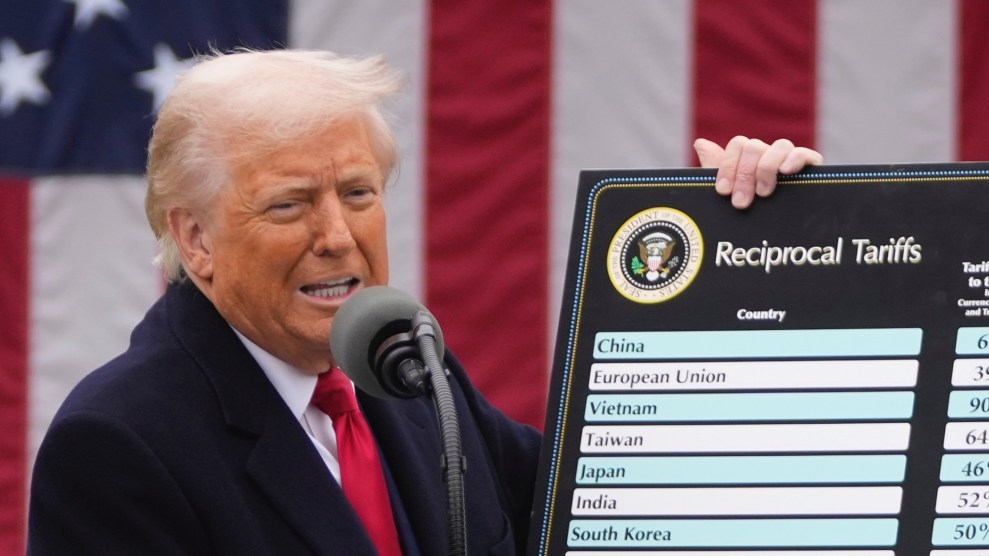
President Donald Trump has implicitly acknowledged that his tariffs are contributing to rising food prices in the United States. On Friday, the Trump administration announced a temporary exemption for a range of groceries—including essential items like beef, coffee, and bananas—from tariffs implemented earlier this year. This move appears to be an effort to alleviate some of the financial strain currently affecting American consumers, particularly as more than half of Americans report that rising food costs are a significant source of stress.
The administration’s decision comes in the wake of disappointing electoral results for Republican candidates in recent gubernatorial races in Virginia and New Jersey, as well as other local elections. These losses highlight a growing need for the GOP to present a more robust economic message. In response to these developments, Trump discussed the importance of affordability on Fox News shortly after the elections, claiming that the term is being promoted by Democrats while asserting that his administration has successfully lowered prices overall.
Despite this assertion, inflation rates remain a concern. Federal data from September indicates that while inflation has decreased since its peak in 2022, grocery prices have continued to rise, presenting the fastest annual increase since that time. The publication of October data has been delayed due to a government shutdown, adding to the uncertainty surrounding economic indicators.
In an AP-NORC poll conducted in August, over half of respondents indicated that grocery costs were a major stressor in their lives. Trump’s previous claims that his tariffs do not impact consumer prices now appear contradictory given the necessity to roll back some of these tariffs. “We just did a little bit of a rollback on some foods, like coffee as an example, where the prices of coffee were a little bit high. Now they’ll be on the low side in a very short period of time,” Trump stated during a press conference.
Coffee prices, in particular, have increased by 19 percent over the past year. This rise is largely attributed to a 50 percent tariff imposed on Brazilian imports, a decision linked to ongoing legal matters involving former Brazilian President Jair Bolsonaro.
An October poll conducted by CNN found that less than a third of Americans believe Trump has fulfilled his promises regarding affordability. More than 60 percent of respondents stated that they believe economic conditions in the country have worsened under his leadership.
As the Trump administration grapples with public perception and economic realities, the recent tariff exemptions may serve as a crucial step towards addressing the concerns of American consumers. The administration’s next moves will likely be closely scrutinized as the political landscape continues to evolve.

Robinhood Stock Surges 2.5% Today Amid Tech Market Recovery

Philadelphia’s Earth Month Kicks Off with Free Events in Parks

GSK’s Inhaler Decision Sparks Health Concerns for Children

Bradford’s Fish Fry Fridays Offer Community Spirit and Flavor

Speculation Rises on Shutdowns During Trump’s Potential Presidency

Samsung Galaxy Watch 9 to Feature Larger Battery, Report Reveals

Inventors Find New Purpose Through Unconventional Paths

UConn Huskies Aim for Back-to-Back Titles in 2026 NCAA Tournament

U.S. Mine Countermeasure Ships Dock in Malaysia for Logistics Stop

University of Hawaiʻi at Mānoa Joins $25.6M AI Initiative for Disaster Monitoring

$2.2 Million Boost for Cancer Research and Training in Hawaiʻi

ALMA Discovers Companion Orbiting Red Giant Star π 1 Gruis

Sacituzumab Govitecan Shows Promise for HR+/HER2− Breast Cancer

币安人生 Sees $15.92 Million in Trading Volume Amid Market Fluctuations

New Gel Offers Hope for Regrowing Tooth Enamel in Dentistry

CAVA Group Shares Surge 5.1% Amid Mixed Analyst Ratings

Christian Bale in Talks to Join Leonardo DiCaprio in Heat 2

Supreme Court to Review Birthright Citizenship for Children of Immigrants
-
Science9 months ago
University of Hawaiʻi at Mānoa Joins $25.6M AI Initiative for Disaster Monitoring
-
 Health7 months ago
$2.2 Million Boost for Cancer Research and Training in Hawaiʻi
-
 Science9 months ago
ALMA Discovers Companion Orbiting Red Giant Star π 1 Gruis
-
 Health7 months ago
Sacituzumab Govitecan Shows Promise for HR+/HER2− Breast Cancer
-
Politics5 months ago
币安人生 Sees $15.92 Million in Trading Volume Amid Market Fluctuations
-
 Health9 months ago
New Gel Offers Hope for Regrowing Tooth Enamel in Dentistry
-
 Business8 months ago
CAVA Group Shares Surge 5.1% Amid Mixed Analyst Ratings
-
 Entertainment9 months ago
Christian Bale in Talks to Join Leonardo DiCaprio in Heat 2
-
 Politics8 months ago
Supreme Court to Review Birthright Citizenship for Children of Immigrants
-

 Lifestyle9 months ago
Art Deco and Traditional Designs Set to Transform Homes in 2026
-

 Lifestyle8 months ago
Fernando Mendoza Secures Maxwell and O’Brien Awards Ahead of Heisman
-

 World8 months ago
Swiss Residents Reject 50% Inheritance Tax on Wealthy