
Politics
Trump Faces Major Setback as Indiana Senators Reject Redistricting

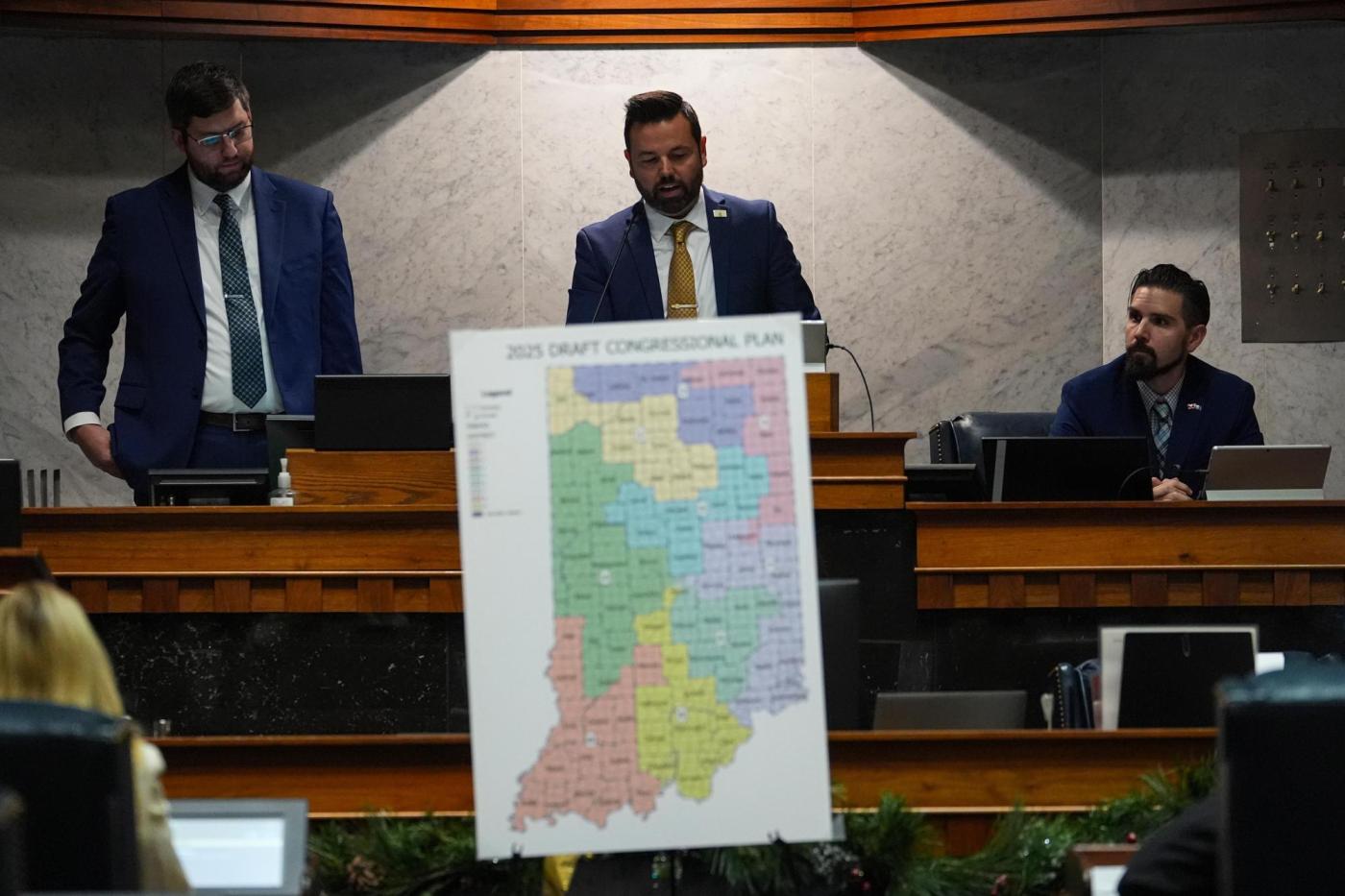
President Donald Trump encountered a significant political defeat when Indiana Republican senators voted against his proposed redistricting plan. This decision, made on March 15, 2024, reflects a growing disconnect between Trump and some members of his party, as 21 senators rejected the proposal despite the White House’s lobbying efforts.
The backdrop to this vote was a social media post from Trump that criticized the state’s leading senator, Rodric Bray, labeling him “a bad guy, or a very stupid one.” In response, Senator Travis Holdman, who opposed the redistricting, stated, “That kind of language doesn’t help.” The senators’ ultimate decision not only thwarted Trump’s goal of reshaping congressional maps but also demonstrated their willingness to prioritize constituents’ preferences over the president’s demands.
Several Republican senators indicated they were hesitant to support the plan from the outset, primarily due to backlash from their constituents. Some expressed discomfort with Trump’s confrontational tone, particularly when he referred to senators as “suckers.” Senator Jean Leising remarked, “I mean, that’s pretty nasty,” emphasizing the negative impact of such comments on their decision-making.
Despite the setback, Trump remained defiant. Following the vote, he reiterated his criticism of Bray, predicting, “He’ll probably lose his next primary, whenever that is.” Senator Sue Glick, who also voted against the redistricting, dismissed Trump’s threats, suggesting he should focus on supporting candidates who align with his agenda rather than retaliating against dissenters.
White House Lobbying Efforts Fall Short
The White House had reportedly engaged in extensive lobbying efforts, including visits from Vice President JD Vance and ongoing communications from aides. Senator Andy Zay described these efforts as a “full-court press.” Yet, the mixed messages from the administration, particularly juxtaposed against Trump’s social media attacks, left some senators confused. Holdman noted, “Two days before the vote, they wanted to declare a truce on Sen. Bray. And the next day, there’s a post on Truth Social that didn’t sound like truce language to me.”
Some senators who opposed the plan cited a belief that the proposed redistricting was politically motivated and could disenfranchise voters. The plan aimed to divide Indianapolis into multiple districts, which raised concerns among residents of smaller towns about losing their political influence. Holdman articulated this sentiment, stating, “Constituents just didn’t want it.”
As the vote approached, tensions were palpable among Republican senators. Senator Greg Goode acknowledged his admiration for Trump but criticized the “over-the-top pressure” exerted on lawmakers. Ultimately, he chose to vote against the proposal, asserting, “I’m confident my vote reflects the will of my constituents.”
Community Reactions and Political Implications
Community reactions to the redistricting proposal were largely negative. Many residents expressed concerns over the dilution of their voting power in favor of larger urban areas. The perception that Washington was trying to dictate local political boundaries did not sit well with Indiana voters.
The fallout from the vote has implications beyond Indiana, as it signals a potential weakening of Trump’s influence within the Republican Party. Some party officials, including former Indiana Governor Mitch Daniels, remarked that constituents in the state “don’t react well to being bullied,” indicating a desire for more independent decision-making among local representatives.
In the aftermath, political tensions within the party have surfaced, with some officials criticizing senators for their defiance against the president. Indiana Lieutenant Governor Micah Beckwith took to social media to express his disappointment, suggesting that the decision to reject Trump’s plan was a sign of weakness.
As Trump seeks to assert his influence in the upcoming midterm elections, this defeat underscores the challenges he faces in rallying support from within his own ranks. The rejection of the redistricting plan not only reflects the priorities of Indiana constituents but also highlights the growing complexity of party dynamics in a politically divided landscape.

Robinhood Stock Surges 2.5% Today Amid Tech Market Recovery

Philadelphia’s Earth Month Kicks Off with Free Events in Parks

GSK’s Inhaler Decision Sparks Health Concerns for Children

Bradford’s Fish Fry Fridays Offer Community Spirit and Flavor

Speculation Rises on Shutdowns During Trump’s Potential Presidency

Samsung Galaxy Watch 9 to Feature Larger Battery, Report Reveals

Inventors Find New Purpose Through Unconventional Paths

UConn Huskies Aim for Back-to-Back Titles in 2026 NCAA Tournament

U.S. Mine Countermeasure Ships Dock in Malaysia for Logistics Stop

University of Hawaiʻi at Mānoa Joins $25.6M AI Initiative for Disaster Monitoring

$2.2 Million Boost for Cancer Research and Training in Hawaiʻi

ALMA Discovers Companion Orbiting Red Giant Star π 1 Gruis

Sacituzumab Govitecan Shows Promise for HR+/HER2− Breast Cancer

币安人生 Sees $15.92 Million in Trading Volume Amid Market Fluctuations

New Gel Offers Hope for Regrowing Tooth Enamel in Dentistry

CAVA Group Shares Surge 5.1% Amid Mixed Analyst Ratings

Christian Bale in Talks to Join Leonardo DiCaprio in Heat 2

Supreme Court to Review Birthright Citizenship for Children of Immigrants
-
Science9 months ago
University of Hawaiʻi at Mānoa Joins $25.6M AI Initiative for Disaster Monitoring
-
 Health8 months ago
$2.2 Million Boost for Cancer Research and Training in Hawaiʻi
-
 Science9 months ago
ALMA Discovers Companion Orbiting Red Giant Star π 1 Gruis
-
 Health7 months ago
Sacituzumab Govitecan Shows Promise for HR+/HER2− Breast Cancer
-
Politics5 months ago
币安人生 Sees $15.92 Million in Trading Volume Amid Market Fluctuations
-
 Health9 months ago
New Gel Offers Hope for Regrowing Tooth Enamel in Dentistry
-
 Business8 months ago
CAVA Group Shares Surge 5.1% Amid Mixed Analyst Ratings
-
 Entertainment9 months ago
Christian Bale in Talks to Join Leonardo DiCaprio in Heat 2
-
 Politics8 months ago
Supreme Court to Review Birthright Citizenship for Children of Immigrants
-

 Lifestyle9 months ago
Art Deco and Traditional Designs Set to Transform Homes in 2026
-

 Lifestyle8 months ago
Fernando Mendoza Secures Maxwell and O’Brien Awards Ahead of Heisman
-

 World8 months ago
Swiss Residents Reject 50% Inheritance Tax on Wealthy