
Politics
Trump Launches Controversial Operation in Venezuela, Seizing Oil

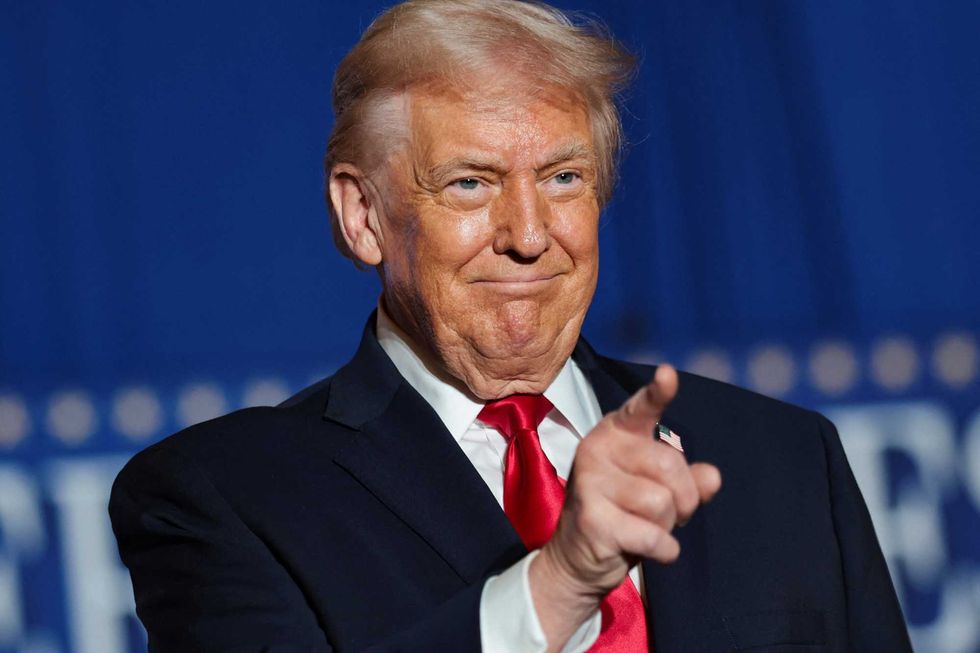
On January 3, 2024, under the direction of Donald Trump, U.S. forces conducted a controversial operation in Venezuela, capturing President Nicolás Maduro and his wife, Cilia Flores, during a nighttime raid. This military action, which occurred without congressional approval, also involved the seizure of Venezuela’s oil resources and resulted in the deaths of at least 80 individuals who posed no immediate threat to the United States. This aggressive move has raised significant concerns about the implications for international law and the principle of state sovereignty.
International law, as outlined in the United Nations Charter, grants all nations the inherent right to control their natural resources. Articles 1 and 55 of this charter underscore the importance of self-determination and sovereignty. Article 2(4) explicitly states that nations cannot use force against the territorial integrity of another country without consent or UN Security Council authorization, except in cases of self-defense. The military action taken by the U.S. stands in stark contrast to these principles, echoing a troubling historical precedent.
The operation has sparked widespread criticism, particularly given the brutal nature of Maduro’s regime. Human Rights Watch has documented systematic human rights violations, including killings, torture, and forced disappearances of individuals seeking democratic reform. While Maduro retains support from approximately 30 percent of the Venezuelan population, the international community has largely condemned his government for its oppressive tactics.
Trump’s subsequent announcement that Delcy Rodríguez, Maduro’s Vice President, would remain in power has drawn scrutiny. Rodríguez, appointed by Trump due to her background in the oil industry and ties to U.S. Republicans, faces the challenge of navigating a complex political landscape marked by her predecessor’s legacy of repression. Trump reportedly warned Rodríguez that she must adhere to his directives, stating, “If she doesn’t do what’s right, she is going to pay a very big price, probably bigger than Maduro.”
The appointment of Rodríguez has raised questions regarding Trump’s intentions, particularly as he dismissed prominent opposition leader María Corina Machado. Machado, a celebrated figure who won the 2025 Nobel Peace Prize for her efforts to promote democracy in Venezuela, had previously defeated Maduro in the 2024 presidential elections by a significant margin. Despite her popularity, Trump accused Machado of lacking the necessary respect to lead, a claim believed to stem from personal grievances.
The ramifications of this military intervention may extend beyond Venezuela’s borders. Trump has hinted at further military action, threatening neighboring nations such as Cuba and Colombia. This escalation risks destabilizing the region and undermining the principles of restraint that are foundational to the post-World War II international order.
Critics argue that Trump’s actions represent an imperialistic approach that prioritizes oil interests over democratic restoration and the well-being of the Venezuelan people. The operation has drawn parallels to previous military engagements where the lack of a concrete plan for governance led to chaos and suffering. Observers worry that the absence of a clear strategy following the coup may lead to further instability and loss of life.
In light of these developments, the international community is closely monitoring the situation in Venezuela. Trump’s military actions and the subsequent political maneuvers illustrate a significant departure from established norms governing international relations, raising urgent questions about the future of democracy and human rights in the region. As events unfold, the implications of this intervention will likely be felt far beyond Venezuela’s borders.

Robinhood Stock Surges 2.5% Today Amid Tech Market Recovery

Philadelphia’s Earth Month Kicks Off with Free Events in Parks

GSK’s Inhaler Decision Sparks Health Concerns for Children

Bradford’s Fish Fry Fridays Offer Community Spirit and Flavor

Speculation Rises on Shutdowns During Trump’s Potential Presidency

Samsung Galaxy Watch 9 to Feature Larger Battery, Report Reveals

Inventors Find New Purpose Through Unconventional Paths

UConn Huskies Aim for Back-to-Back Titles in 2026 NCAA Tournament

U.S. Mine Countermeasure Ships Dock in Malaysia for Logistics Stop

University of Hawaiʻi at Mānoa Joins $25.6M AI Initiative for Disaster Monitoring

$2.2 Million Boost for Cancer Research and Training in Hawaiʻi

ALMA Discovers Companion Orbiting Red Giant Star π 1 Gruis

Sacituzumab Govitecan Shows Promise for HR+/HER2− Breast Cancer

币安人生 Sees $15.92 Million in Trading Volume Amid Market Fluctuations

New Gel Offers Hope for Regrowing Tooth Enamel in Dentistry

CAVA Group Shares Surge 5.1% Amid Mixed Analyst Ratings

Christian Bale in Talks to Join Leonardo DiCaprio in Heat 2

Supreme Court to Review Birthright Citizenship for Children of Immigrants
-
Science9 months ago
University of Hawaiʻi at Mānoa Joins $25.6M AI Initiative for Disaster Monitoring
-
 Health7 months ago
$2.2 Million Boost for Cancer Research and Training in Hawaiʻi
-
 Science9 months ago
ALMA Discovers Companion Orbiting Red Giant Star π 1 Gruis
-
 Health7 months ago
Sacituzumab Govitecan Shows Promise for HR+/HER2− Breast Cancer
-
Politics5 months ago
币安人生 Sees $15.92 Million in Trading Volume Amid Market Fluctuations
-
 Health9 months ago
New Gel Offers Hope for Regrowing Tooth Enamel in Dentistry
-
 Business8 months ago
CAVA Group Shares Surge 5.1% Amid Mixed Analyst Ratings
-
 Entertainment8 months ago
Christian Bale in Talks to Join Leonardo DiCaprio in Heat 2
-
 Politics8 months ago
Supreme Court to Review Birthright Citizenship for Children of Immigrants
-

 Lifestyle8 months ago
Art Deco and Traditional Designs Set to Transform Homes in 2026
-

 Lifestyle8 months ago
Fernando Mendoza Secures Maxwell and O’Brien Awards Ahead of Heisman
-

 World8 months ago
Swiss Residents Reject 50% Inheritance Tax on Wealthy