
Politics
Trump Proposes 10% Cap on Credit Card Interest Rates, Igniting Debate

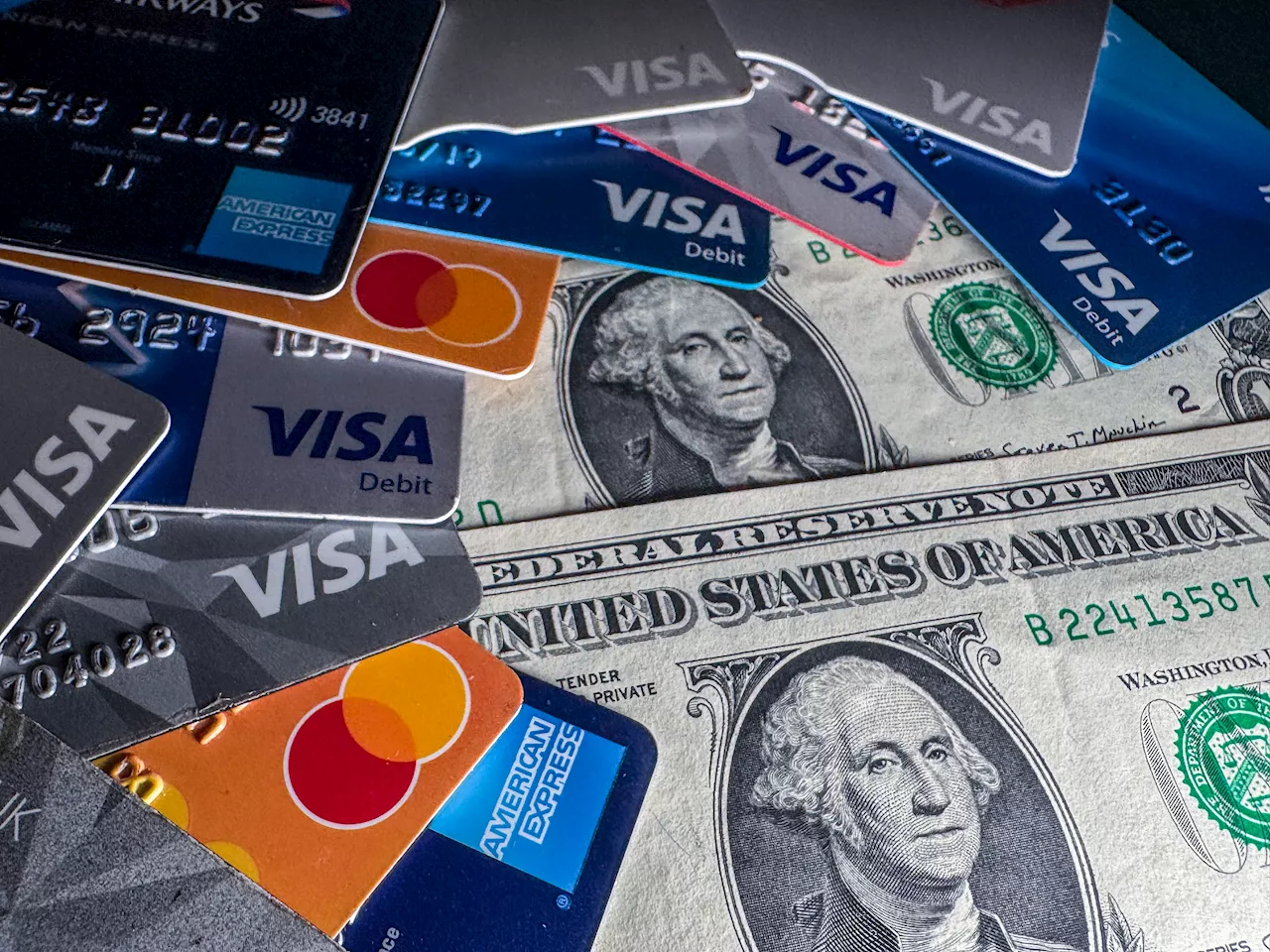
Former President Donald Trump has proposed a controversial plan to cap credit card interest rates at 10%, aiming to alleviate the financial burden on millions of American consumers. Announced via his Truth Social platform, this proposal could potentially save Americans tens of billions of dollars annually. However, it has sparked significant debate, particularly from the credit card industry, which is raising concerns over its feasibility and implications for consumers and the broader financial sector.
While the White House has not yet responded to inquiries regarding Trump’s plan, the proposal is generating considerable interest and concern within the financial community. Trump’s vision suggests that the cap could be enacted through either executive action or new legislation, prompting discussions among lawmakers and financial experts.
Opposition from the credit card industry is robust, with organizations such as the American Bankers Association expressing their concerns. Critics argue that implementing a 10% cap on interest rates could compel lenders to shift towards less regulated, more costly alternatives for borrowers. They contend that limiting interest revenue may adversely impact lending practices, particularly for high-risk borrowers who rely on credit access.
Advocates for the cap cite research estimating that such a policy could save consumers approximately $100 billion annually in interest payments. They argue that banks and credit card companies generate sufficient revenue from transaction fees charged to merchants to maintain profitability even with a reduced interest rate.
Despite these claims, opponents caution that capping interest rates may lead to reduced credit availability for certain demographics and could diminish the rewards and perks associated with credit cards. Additionally, there are concerns about the potential for consumers to turn to less regulated lending options if traditional credit becomes less accessible.
Context and Historical Precedents
The ongoing debate around Trump’s proposal is rooted in a complex web of financial and economic considerations. Currently, nearly 195 million Americans hold credit cards, accumulating a staggering total debt of approximately $1.23 trillion. Average credit card interest rates are already high, typically ranging from 19.65% to 21.5%. The implications of a 10% cap on these rates could significantly affect many families across the nation.
There are precedents for interest rate caps that highlight both potential benefits and challenges. For example, the Military Lending Act limits interest rates for active-duty service members to 36%, while credit union credit cards in some areas are capped at 18%. However, regions like Arkansas, which enforces a 17% cap, have seen detrimental effects, including reduced access to credit for low-income and less creditworthy individuals.
As the political discourse continues, the ramifications of Trump’s proposal will likely remain a key topic among policymakers and consumers alike. The multifaceted nature of this issue necessitates careful consideration of the balance between consumer protection and the realities of the financial marketplace. With the potential for significant shifts in lending practices and consumer access to credit, both proponents and opponents will continue to advocate for their respective positions as this debate unfolds.

Robinhood Stock Surges 2.5% Today Amid Tech Market Recovery

Philadelphia’s Earth Month Kicks Off with Free Events in Parks

GSK’s Inhaler Decision Sparks Health Concerns for Children

Bradford’s Fish Fry Fridays Offer Community Spirit and Flavor

Speculation Rises on Shutdowns During Trump’s Potential Presidency

Samsung Galaxy Watch 9 to Feature Larger Battery, Report Reveals

Inventors Find New Purpose Through Unconventional Paths

UConn Huskies Aim for Back-to-Back Titles in 2026 NCAA Tournament

U.S. Mine Countermeasure Ships Dock in Malaysia for Logistics Stop

University of Hawaiʻi at Mānoa Joins $25.6M AI Initiative for Disaster Monitoring

$2.2 Million Boost for Cancer Research and Training in Hawaiʻi

ALMA Discovers Companion Orbiting Red Giant Star π 1 Gruis

Sacituzumab Govitecan Shows Promise for HR+/HER2− Breast Cancer

币安人生 Sees $15.92 Million in Trading Volume Amid Market Fluctuations

New Gel Offers Hope for Regrowing Tooth Enamel in Dentistry

CAVA Group Shares Surge 5.1% Amid Mixed Analyst Ratings

Christian Bale in Talks to Join Leonardo DiCaprio in Heat 2

Supreme Court to Review Birthright Citizenship for Children of Immigrants
-
Science9 months ago
University of Hawaiʻi at Mānoa Joins $25.6M AI Initiative for Disaster Monitoring
-
 Health7 months ago
$2.2 Million Boost for Cancer Research and Training in Hawaiʻi
-
 Science9 months ago
ALMA Discovers Companion Orbiting Red Giant Star π 1 Gruis
-
 Health7 months ago
Sacituzumab Govitecan Shows Promise for HR+/HER2− Breast Cancer
-
Politics5 months ago
币安人生 Sees $15.92 Million in Trading Volume Amid Market Fluctuations
-
 Health9 months ago
New Gel Offers Hope for Regrowing Tooth Enamel in Dentistry
-
 Business8 months ago
CAVA Group Shares Surge 5.1% Amid Mixed Analyst Ratings
-
 Entertainment8 months ago
Christian Bale in Talks to Join Leonardo DiCaprio in Heat 2
-
 Politics8 months ago
Supreme Court to Review Birthright Citizenship for Children of Immigrants
-

 Lifestyle8 months ago
Art Deco and Traditional Designs Set to Transform Homes in 2026
-

 Lifestyle8 months ago
Fernando Mendoza Secures Maxwell and O’Brien Awards Ahead of Heisman
-

 World8 months ago
Swiss Residents Reject 50% Inheritance Tax on Wealthy