
Politics
U.S. Job Growth Slows to 50,000 in December, Unemployment at 4.4%

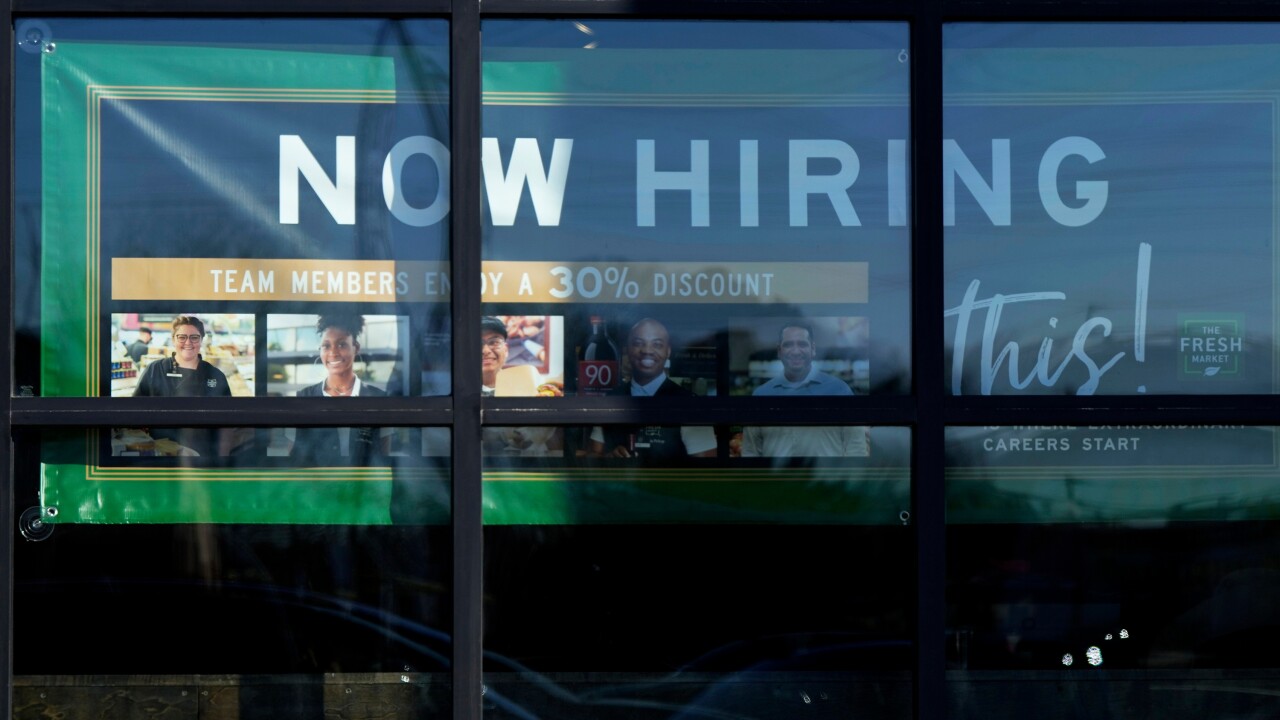
The United States ended 2025 with sluggish job growth as employers added just 50,000 jobs in December, according to the U.S. Department of Labor. This figure reflects minimal change from a downwardly revised total of 56,000 jobs in November. The unemployment rate dipped to 4.4%, marking its first decline since June, down from 4.5% the previous month.
The latest data indicates that businesses remain hesitant to expand their workforce, despite signs of economic growth. Many companies, which aggressively hired in the wake of the pandemic, are now reassessing their staffing needs. Factors contributing to this cautious stance include ongoing uncertainties surrounding President Donald Trump’s tariff policies, persistent inflation, and the increasing influence of artificial intelligence on the job market.
Employment Trends and Economic Outlook
This December report is crucial as it represents the first clear readings of the labor market in three months. The government did not release data in October due to a six-week shutdown, and November’s figures were impacted by the closure, which lasted until November 12. Overall, December caps a year characterized by underwhelming hiring, particularly following the imposition of sweeping tariffs in April 2025.
In the early part of the year, the economy generated an average of 111,000 jobs per month. However, this pace dropped to a mere 11,000 jobs during the three months ending in August, before a slight rebound to 22,000 jobs in November. Anticipated revisions in February may further adjust these figures, with preliminary estimates suggesting a potential reduction of 911,000 jobs as of March 2025.
While many economists project that hiring may accelerate in 2026, driven by solid economic growth and potential tax refunds from legislation passed in the previous summer, they also recognize alternative scenarios. Weak job gains could hinder future economic expansion, or the economy could continue to grow robustly while automation reduces the necessity for additional jobs.
Inflation and Consumer Impact
Inflation remains a pressing concern, impacting the purchasing power of American households. Consumer prices rose by 2.7% in November compared to the previous year, remaining above the Federal Reserve’s target of 2%. This persistent inflation adds another layer of complexity to the employment landscape, as it erodes the value of paychecks for many workers.
As businesses navigate these challenges, some are investing in technology to enhance worker productivity. This trend may lead to economic growth without the need for significant increases in employment figures. The coming months will be critical in determining how these dynamics will unfold and what they mean for both the job market and the broader economy.

Robinhood Stock Surges 2.5% Today Amid Tech Market Recovery

Philadelphia’s Earth Month Kicks Off with Free Events in Parks

GSK’s Inhaler Decision Sparks Health Concerns for Children

Bradford’s Fish Fry Fridays Offer Community Spirit and Flavor

Speculation Rises on Shutdowns During Trump’s Potential Presidency

Samsung Galaxy Watch 9 to Feature Larger Battery, Report Reveals

Inventors Find New Purpose Through Unconventional Paths

UConn Huskies Aim for Back-to-Back Titles in 2026 NCAA Tournament

U.S. Mine Countermeasure Ships Dock in Malaysia for Logistics Stop

University of Hawaiʻi at Mānoa Joins $25.6M AI Initiative for Disaster Monitoring

$2.2 Million Boost for Cancer Research and Training in Hawaiʻi

ALMA Discovers Companion Orbiting Red Giant Star π 1 Gruis

Sacituzumab Govitecan Shows Promise for HR+/HER2− Breast Cancer

币安人生 Sees $15.92 Million in Trading Volume Amid Market Fluctuations

New Gel Offers Hope for Regrowing Tooth Enamel in Dentistry

CAVA Group Shares Surge 5.1% Amid Mixed Analyst Ratings

Christian Bale in Talks to Join Leonardo DiCaprio in Heat 2

Supreme Court to Review Birthright Citizenship for Children of Immigrants
-
Science9 months ago
University of Hawaiʻi at Mānoa Joins $25.6M AI Initiative for Disaster Monitoring
-
 Health7 months ago
$2.2 Million Boost for Cancer Research and Training in Hawaiʻi
-
 Science9 months ago
ALMA Discovers Companion Orbiting Red Giant Star π 1 Gruis
-
 Health7 months ago
Sacituzumab Govitecan Shows Promise for HR+/HER2− Breast Cancer
-
Politics5 months ago
币安人生 Sees $15.92 Million in Trading Volume Amid Market Fluctuations
-
 Health9 months ago
New Gel Offers Hope for Regrowing Tooth Enamel in Dentistry
-
 Business8 months ago
CAVA Group Shares Surge 5.1% Amid Mixed Analyst Ratings
-
 Entertainment8 months ago
Christian Bale in Talks to Join Leonardo DiCaprio in Heat 2
-
 Politics8 months ago
Supreme Court to Review Birthright Citizenship for Children of Immigrants
-

 Lifestyle8 months ago
Art Deco and Traditional Designs Set to Transform Homes in 2026
-

 Lifestyle8 months ago
Fernando Mendoza Secures Maxwell and O’Brien Awards Ahead of Heisman
-

 World8 months ago
Swiss Residents Reject 50% Inheritance Tax on Wealthy