
Science
AI Revolutionizes 3D Imaging of Biological Samples Using SEM

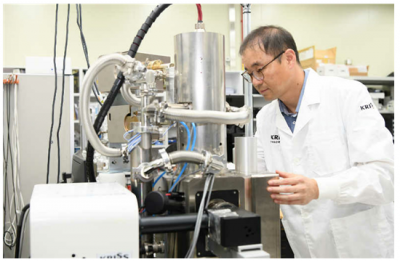
The Korea Research Institute of Standards and Science (KRISS) has unveiled a groundbreaking artificial intelligence (AI)-based image segmentation algorithm that can quickly reconstruct three-dimensional (3D) structures from two-dimensional (2D) cross-sectional images obtained through scanning electron microscopy (SEM). This innovation marks a significant advancement in the field of microscopy and biological imaging, enhancing the ability to visualize intricate cellular structures.
The development of this algorithm, led by President Lee Ho Seong and his team at KRISS, addresses a critical need in scientific research. By facilitating rapid and accurate 3D reconstruction, this technology has the potential to transform how researchers analyze biological samples. Traditional methods have often required extensive manual processing and time-consuming techniques. With this new AI approach, the process is streamlined, allowing for faster analysis and improved accuracy.
Implications for Biological Research
The ability to visualize 3D structures from SEM images opens new avenues for research across various biological disciplines. Researchers can now gain a more comprehensive understanding of cellular architecture, which is essential for studies in areas such as cell biology, pathology, and materials science. The algorithm’s capacity to automate complex imaging tasks not only enhances efficiency but also enables scientists to focus on interpreting data rather than getting bogged down by technical challenges.
In practical terms, this technology could benefit a range of applications, from studying disease mechanisms to developing new materials for medical use. For instance, researchers examining cancer cells can acquire detailed 3D models that reveal how these cells interact with their environment, leading to insights that could inform therapeutic strategies.
Future Prospects and Global Impact
As this AI-driven technology gains traction, its implications extend beyond South Korea. The KRISS initiative positions the country at the forefront of microscopy research, potentially influencing global standards and practices in biological imaging. The development aligns with a growing trend in scientific research that leverages AI and machine learning to enhance data analysis and interpretation.
The implementation of this algorithm could see widespread adoption in laboratories worldwide, fostering international collaborations and knowledge sharing. By improving the speed and precision of imaging techniques, KRISS not only contributes to the advancement of scientific research but also reinforces South Korea’s role as a leader in innovation.
In conclusion, the introduction of the AI-based image segmentation algorithm by KRISS represents a significant leap forward in the ability to reconstruct 3D structures from SEM images. This advancement promises to enhance biological research capabilities, streamline workflows, and ultimately lead to new discoveries across various scientific fields. The ongoing evolution of this technology will be closely monitored as it reshapes the landscape of microscopy and biological analysis.

Robinhood Stock Surges 2.5% Today Amid Tech Market Recovery

Philadelphia’s Earth Month Kicks Off with Free Events in Parks

GSK’s Inhaler Decision Sparks Health Concerns for Children

Bradford’s Fish Fry Fridays Offer Community Spirit and Flavor

Speculation Rises on Shutdowns During Trump’s Potential Presidency

Samsung Galaxy Watch 9 to Feature Larger Battery, Report Reveals

Inventors Find New Purpose Through Unconventional Paths

UConn Huskies Aim for Back-to-Back Titles in 2026 NCAA Tournament

U.S. Mine Countermeasure Ships Dock in Malaysia for Logistics Stop

University of Hawaiʻi at Mānoa Joins $25.6M AI Initiative for Disaster Monitoring

ALMA Discovers Companion Orbiting Red Giant Star π 1 Gruis

$2.2 Million Boost for Cancer Research and Training in Hawaiʻi

New Gel Offers Hope for Regrowing Tooth Enamel in Dentistry

Sacituzumab Govitecan Shows Promise for HR+/HER2− Breast Cancer

Christian Bale in Talks to Join Leonardo DiCaprio in Heat 2

Park Jung Min’s Endearing Moment with Hwasa Steals Show at Awards

CAVA Group Shares Surge 5.1% Amid Mixed Analyst Ratings

币安人生 Sees $15.92 Million in Trading Volume Amid Market Fluctuations
-
Science6 months ago
University of Hawaiʻi at Mānoa Joins $25.6M AI Initiative for Disaster Monitoring
-
 Science6 months ago
ALMA Discovers Companion Orbiting Red Giant Star π 1 Gruis
-
 Health5 months ago
$2.2 Million Boost for Cancer Research and Training in Hawaiʻi
-
 Health6 months ago
New Gel Offers Hope for Regrowing Tooth Enamel in Dentistry
-
 Health4 months ago
Sacituzumab Govitecan Shows Promise for HR+/HER2− Breast Cancer
-
 Entertainment6 months ago
Christian Bale in Talks to Join Leonardo DiCaprio in Heat 2
-
 Lifestyle6 months ago
Park Jung Min’s Endearing Moment with Hwasa Steals Show at Awards
-
 Business5 months ago
CAVA Group Shares Surge 5.1% Amid Mixed Analyst Ratings
-
Politics2 months ago
币安人生 Sees $15.92 Million in Trading Volume Amid Market Fluctuations
-

 Lifestyle6 months ago
Sampson County Celebrates Susie Faison’s 100th Birthday Milestone
-

 Lifestyle6 months ago
Art Deco and Traditional Designs Set to Transform Homes in 2026
-

 Lifestyle5 months ago
Fernando Mendoza Secures Maxwell and O’Brien Awards Ahead of Heisman