
Science
Astronomers Unravel the Mystery of an ‘Inside-Out’ Solar System

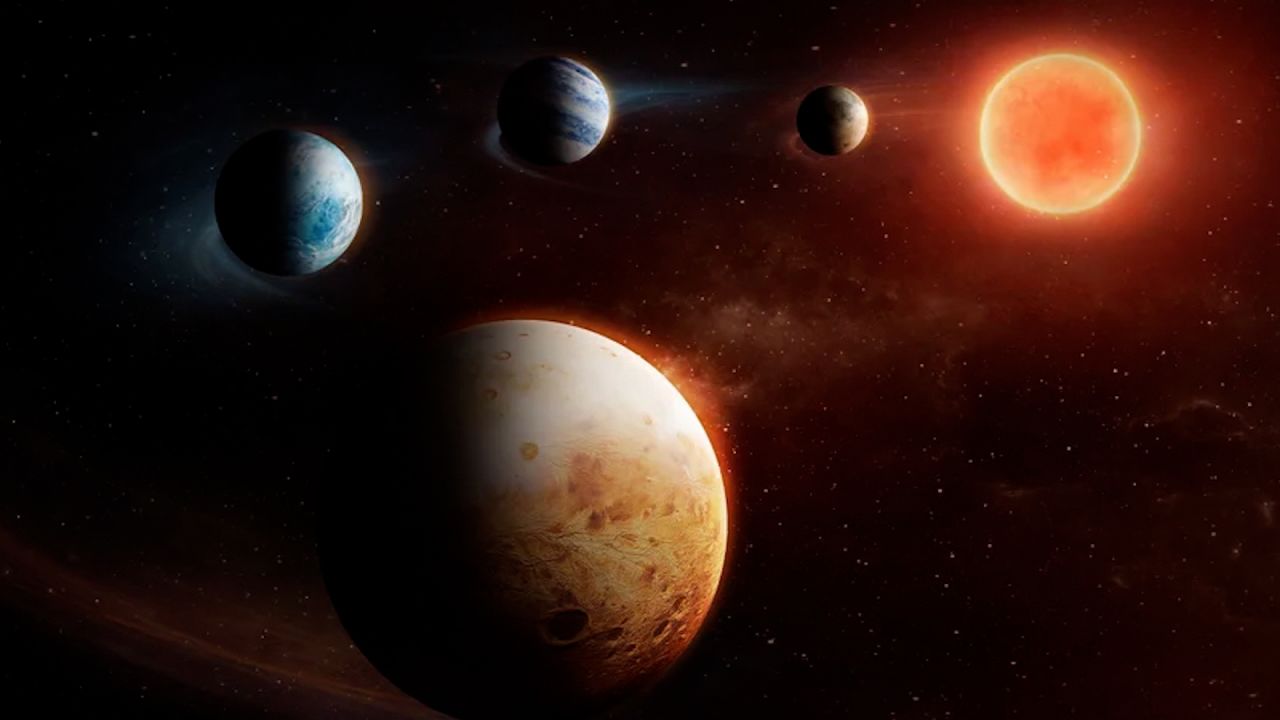
A newly discovered planetary system, dubbed an “inside-out” solar system, has left astronomers puzzled due to its unexpected configuration. This unique system, identified by researchers at the University of California, features gas giants located closer to their star than rocky planets, defying established scientific models of planetary formation.
The discovery, made possible by data from the NASA Kepler Space Telescope, challenges conventional wisdom about how solar systems typically develop. In most known systems, the larger gas giants generally form farther from their star, with rocky planets located in closer orbits. The “inside-out” structure of this new system raises questions about the processes that govern planetary migration and formation.
Key Findings from the Discovery
According to the study published in 2023, the planetary arrangement includes at least three gas giants and two terrestrial planets. The gas giants are located within the so-called “habitable zone,” where temperatures could allow for liquid water. This unusual configuration has sparked discussions about the potential for life on these rocky planets, adding another layer of intrigue to the findings.
The research team utilized advanced modeling techniques to analyze the dynamics of the system. The results indicate that the gas giants may have migrated inward over time due to gravitational interactions with other celestial bodies. This migration process, while not unprecedented, has not been observed in such a pronounced manner before.
Scientists involved in the study are keen to explore the implications of this discovery further. Dr. Emily Johnson, an astrophysicist at the University of California, stated, “This finding forces us to reconsider our models of planetary formation. It’s clear that the universe has a lot of surprises in store for us.”
Future Research Directions
The discovery of this “inside-out” solar system opens new avenues for research in astrophysics and planetary science. Future observations using the James Webb Space Telescope will allow researchers to gather more data on the composition and atmospheres of the planets in this unusual system. These insights could provide critical information about the potential for habitability and the evolution of planetary systems.
As astronomers continue to study this anomaly, they hope to uncover the mechanisms that led to its formation. The research team plans to present their findings at upcoming conferences, where they will engage with other scientists and share their insights. The ongoing exploration of exoplanets and their systems remains a rapidly evolving field, and discoveries like this one push the boundaries of our understanding of the cosmos.
The “inside-out” solar system serves as a reminder of the complexities of planetary formation and the dynamic nature of celestial bodies. As technology advances and our observational capabilities improve, scientists are poised to make even more groundbreaking discoveries in the future.

Robinhood Stock Surges 2.5% Today Amid Tech Market Recovery

Philadelphia’s Earth Month Kicks Off with Free Events in Parks

GSK’s Inhaler Decision Sparks Health Concerns for Children

Bradford’s Fish Fry Fridays Offer Community Spirit and Flavor

Speculation Rises on Shutdowns During Trump’s Potential Presidency

Samsung Galaxy Watch 9 to Feature Larger Battery, Report Reveals

Inventors Find New Purpose Through Unconventional Paths

UConn Huskies Aim for Back-to-Back Titles in 2026 NCAA Tournament

U.S. Mine Countermeasure Ships Dock in Malaysia for Logistics Stop

University of Hawaiʻi at Mānoa Joins $25.6M AI Initiative for Disaster Monitoring

$2.2 Million Boost for Cancer Research and Training in Hawaiʻi

ALMA Discovers Companion Orbiting Red Giant Star π 1 Gruis

Sacituzumab Govitecan Shows Promise for HR+/HER2− Breast Cancer

币安人生 Sees $15.92 Million in Trading Volume Amid Market Fluctuations

New Gel Offers Hope for Regrowing Tooth Enamel in Dentistry

CAVA Group Shares Surge 5.1% Amid Mixed Analyst Ratings

Christian Bale in Talks to Join Leonardo DiCaprio in Heat 2

Supreme Court to Review Birthright Citizenship for Children of Immigrants
-
Science9 months ago
University of Hawaiʻi at Mānoa Joins $25.6M AI Initiative for Disaster Monitoring
-
 Health7 months ago
$2.2 Million Boost for Cancer Research and Training in Hawaiʻi
-
 Science8 months ago
ALMA Discovers Companion Orbiting Red Giant Star π 1 Gruis
-
 Health7 months ago
Sacituzumab Govitecan Shows Promise for HR+/HER2− Breast Cancer
-
Politics5 months ago
币安人生 Sees $15.92 Million in Trading Volume Amid Market Fluctuations
-
 Health8 months ago
New Gel Offers Hope for Regrowing Tooth Enamel in Dentistry
-
 Business7 months ago
CAVA Group Shares Surge 5.1% Amid Mixed Analyst Ratings
-
 Entertainment8 months ago
Christian Bale in Talks to Join Leonardo DiCaprio in Heat 2
-
 Politics7 months ago
Supreme Court to Review Birthright Citizenship for Children of Immigrants
-

 Lifestyle8 months ago
Art Deco and Traditional Designs Set to Transform Homes in 2026
-

 Lifestyle7 months ago
Fernando Mendoza Secures Maxwell and O’Brien Awards Ahead of Heisman
-

 World8 months ago
Swiss Residents Reject 50% Inheritance Tax on Wealthy