
Science
Audiophiles Discover No Sound Difference Between Cables and Banana

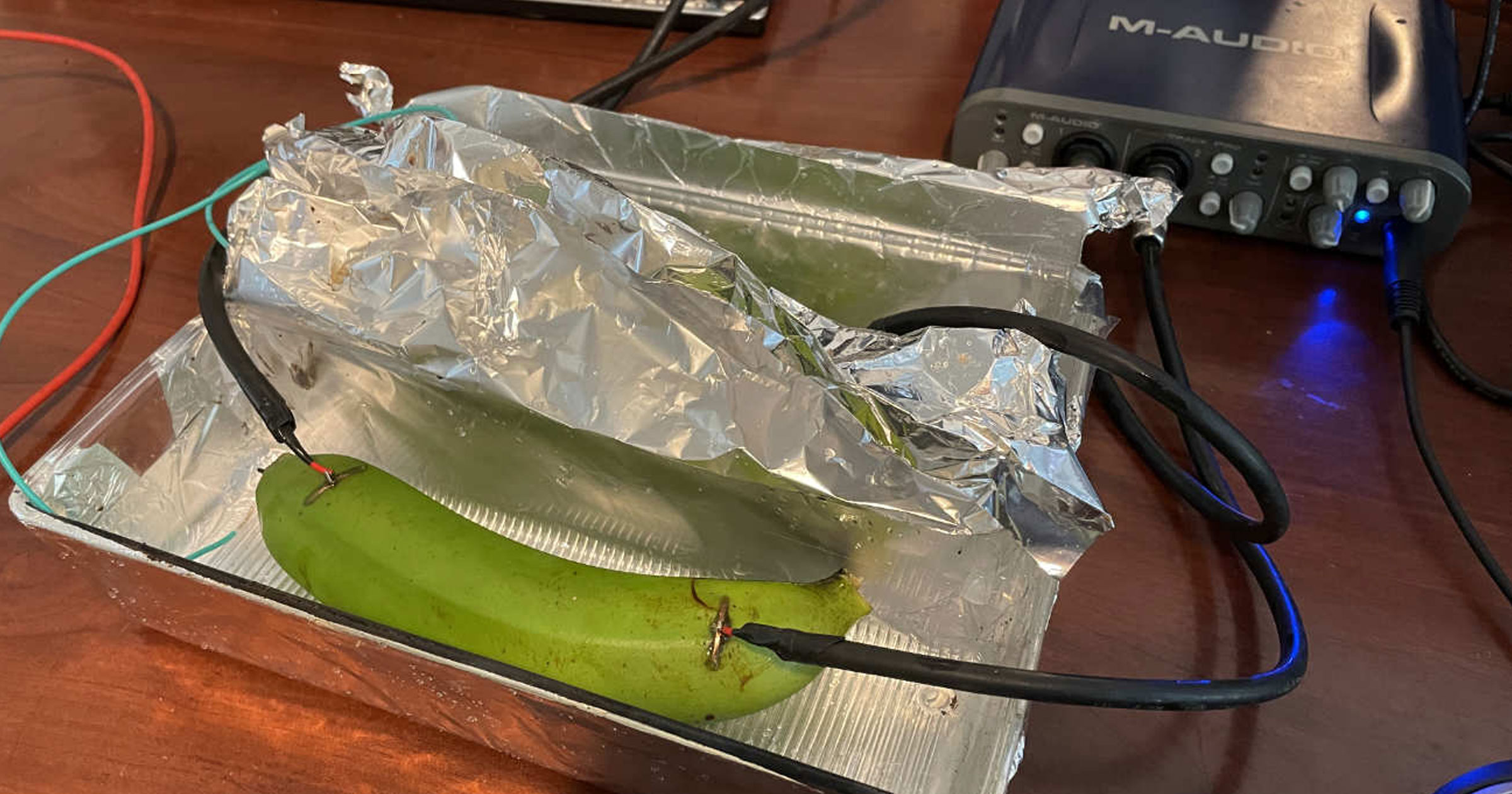
A recent experiment has revealed that high-end audio cables may not provide the sound quality advantages that many audiophiles have long believed. Conducted in 2024 by a moderator known as Pano on the audiophile forum diyAudio, the test involved comparing various sound signals transmitted through an expensive cable and unconventional materials, including a banana and wet mud.
The experiment sought to settle a long-standing debate regarding the efficacy of premium cables, which can cost tens of thousands of dollars. These high-priced options often feature ultra-pure copper, gold plating, and specialized insulation, marketed to enhance the audio experience for the discerning listener. Despite the marketing claims, the results of Pano’s test suggested that the materials used in cables may not be as critical to sound quality as previously thought.
Participants in the blind test were challenged to identify audio signals processed through different mediums, including professional audio copper wire, an unripe banana, old microphone cables soldered to pennies, and even wet mud. Listeners struggled to discern the variations, achieving only six correct guesses out of 43 attempts. According to Tom’s Hardware, these results suggest a random outcome and indicate that the sound quality may not differ significantly between the various materials.
Pano noted, “The amazing thing is how much alike these files sound. The mud should sound perfectly awful, but it doesn’t. All of the re-recordings should be obvious, but they aren’t.” He elaborated that using banana or mud as conductors functions similarly to inserting a resistor in series, where the primary effect is a change in signal level rather than a substantial alteration in sound quality.
While the experiment showcased the surprising auditory similarities, Pano cautioned against using such materials for audio equipment in practical scenarios. He highlighted that the key factors for interconnects are DC resistance and shielding, which can affect signal level and frequency response. “What doesn’t seem to make much (if any) difference in sonic quality is the material of the conductor,” he stated. “Good old copper wire does the job. Steel, iron, or aluminium probably would too.”
The findings resonated widely within the audiophile community, prompting a mix of amusement and skepticism about high-end audio products. One forum participant humorously remarked about “high-end bananas,” while others shared their own experiences with unconventional substitutes for expensive cables. The experiment quickly gained traction across niche subreddits, leading to a wave of commentary targeting companies that still charge exorbitant prices for speaker cables, with some users jokingly suggesting alternatives such as trays of mud.
As the debate over audio quality continues, this experiment serves as a reminder of the importance of scrutinizing marketing claims in the high-end audio industry. Whether consumers will reconsider their investments in expensive cables remains to be seen, but the results of Pano’s blind test have certainly sparked conversation and laughter among audiophiles worldwide.

Robinhood Stock Surges 2.5% Today Amid Tech Market Recovery

Philadelphia’s Earth Month Kicks Off with Free Events in Parks

GSK’s Inhaler Decision Sparks Health Concerns for Children

Bradford’s Fish Fry Fridays Offer Community Spirit and Flavor

Speculation Rises on Shutdowns During Trump’s Potential Presidency

Samsung Galaxy Watch 9 to Feature Larger Battery, Report Reveals

Inventors Find New Purpose Through Unconventional Paths

UConn Huskies Aim for Back-to-Back Titles in 2026 NCAA Tournament

U.S. Mine Countermeasure Ships Dock in Malaysia for Logistics Stop

University of Hawaiʻi at Mānoa Joins $25.6M AI Initiative for Disaster Monitoring

$2.2 Million Boost for Cancer Research and Training in Hawaiʻi

ALMA Discovers Companion Orbiting Red Giant Star π 1 Gruis

Sacituzumab Govitecan Shows Promise for HR+/HER2− Breast Cancer

币安人生 Sees $15.92 Million in Trading Volume Amid Market Fluctuations

New Gel Offers Hope for Regrowing Tooth Enamel in Dentistry

CAVA Group Shares Surge 5.1% Amid Mixed Analyst Ratings

Christian Bale in Talks to Join Leonardo DiCaprio in Heat 2

Supreme Court to Review Birthright Citizenship for Children of Immigrants
-
Science8 months ago
University of Hawaiʻi at Mānoa Joins $25.6M AI Initiative for Disaster Monitoring
-
 Health7 months ago
$2.2 Million Boost for Cancer Research and Training in Hawaiʻi
-
 Science8 months ago
ALMA Discovers Companion Orbiting Red Giant Star π 1 Gruis
-
 Health7 months ago
Sacituzumab Govitecan Shows Promise for HR+/HER2− Breast Cancer
-
Politics4 months ago
币安人生 Sees $15.92 Million in Trading Volume Amid Market Fluctuations
-
 Health8 months ago
New Gel Offers Hope for Regrowing Tooth Enamel in Dentistry
-
 Business7 months ago
CAVA Group Shares Surge 5.1% Amid Mixed Analyst Ratings
-
 Entertainment8 months ago
Christian Bale in Talks to Join Leonardo DiCaprio in Heat 2
-
 Politics7 months ago
Supreme Court to Review Birthright Citizenship for Children of Immigrants
-

 Lifestyle8 months ago
Art Deco and Traditional Designs Set to Transform Homes in 2026
-

 Lifestyle7 months ago
Fernando Mendoza Secures Maxwell and O’Brien Awards Ahead of Heisman
-

 World8 months ago
Swiss Residents Reject 50% Inheritance Tax on Wealthy