
Science
Dramatic New Images Reveal Comet C/2025 K1 (Atlas) Disintegrating

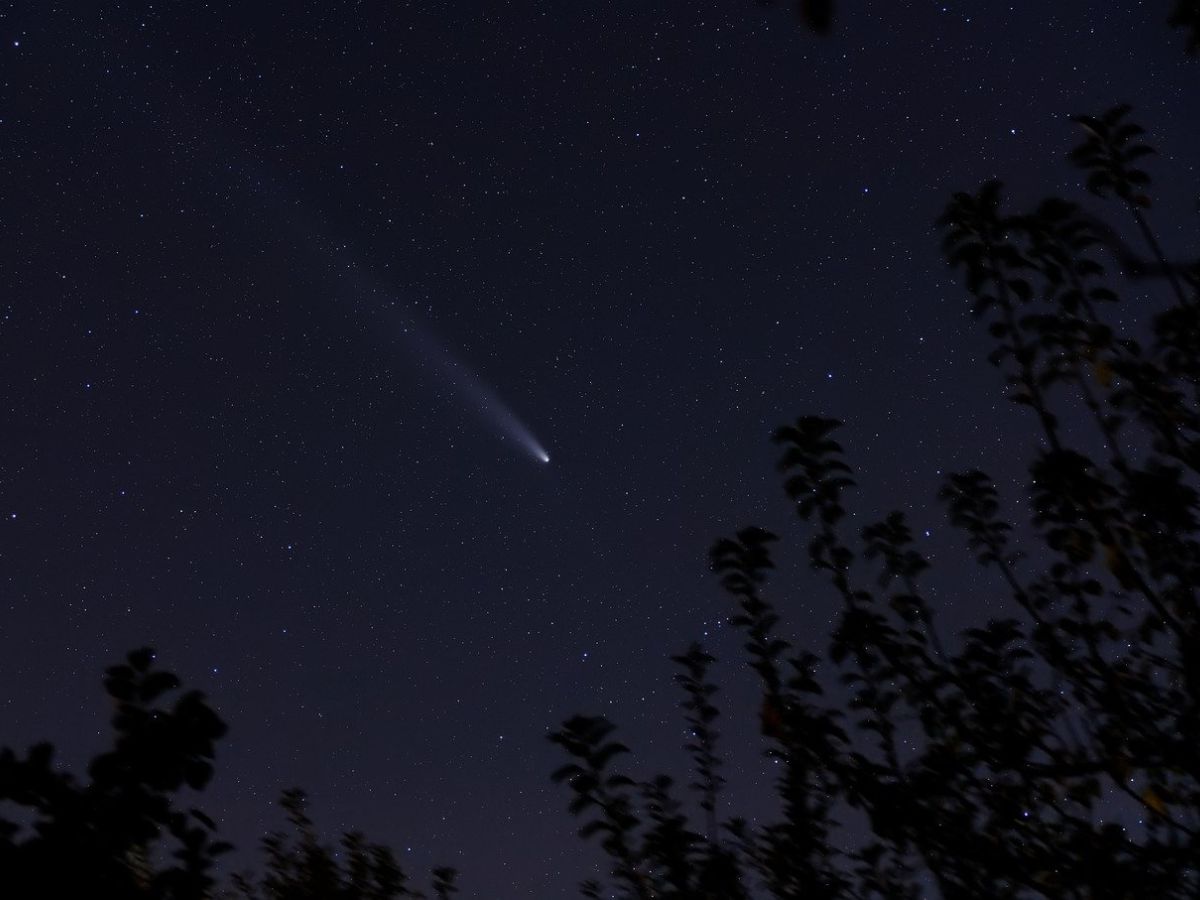
Recent images captured by the International Gemini Observatory reveal the striking disintegration of comet C/2025 K1 (Atlas) in the vastness of space. This cosmic event, observed in March 2024, provides a rare glimpse into the life cycle of comets and their eventual demise.
The images were obtained using advanced astronomical techniques, showcasing the comet breaking apart into multiple fragments. This phenomenon highlights the dynamic processes that govern celestial bodies as they travel through the solar system. The observations were part of ongoing research efforts by NOIRLab, which aims to enhance understanding of these intriguing objects.
Significance of the Discovery
The disintegration of comets is an important aspect of astrophysics, as these icy bodies can offer insights into the early solar system. Comets like C/2025 K1 (Atlas) are remnants from its formation, containing materials that date back billions of years. Researchers believe that studying such events can help unravel the mysteries of planetary formation and the evolution of our cosmic neighborhood.
According to B. Bolin, an astronomer associated with the International Gemini Observatory, “This disintegration event provides a unique opportunity to observe the physical processes at play during the comet’s lifecycle.” Such observations are critical for scientists to develop models that predict comet behaviors and their potential impacts on Earth.
Future Implications for Astronomy
As the disintegration progresses, astronomers will continue to monitor C/2025 K1 (Atlas) to gather further data. This event serves as a reminder of the transient nature of comets and the need for continuous observation. The findings could have implications for future missions aimed at investigating comets and their compositions, potentially leading to breakthroughs in our understanding of the solar system.
The ongoing research surrounding this comet is a testament to the collaborative efforts of astronomers worldwide. Utilizing state-of-the-art technology, scientists are pushing the boundaries of what is known about these celestial phenomena. As more data becomes available, the scientific community anticipates that insights gained from the disintegration of C/2025 K1 (Atlas) will enhance current models of cometary dynamics and solar system formation.
In conclusion, the disintegration of comet C/2025 K1 (Atlas) represents a significant moment in astronomical research, providing a wealth of information for scientists and enhancing public interest in space exploration. Such discoveries are vital as humanity seeks to understand its place within the universe.

Robinhood Stock Surges 2.5% Today Amid Tech Market Recovery

Philadelphia’s Earth Month Kicks Off with Free Events in Parks

GSK’s Inhaler Decision Sparks Health Concerns for Children

Bradford’s Fish Fry Fridays Offer Community Spirit and Flavor

Speculation Rises on Shutdowns During Trump’s Potential Presidency

Samsung Galaxy Watch 9 to Feature Larger Battery, Report Reveals

Inventors Find New Purpose Through Unconventional Paths

UConn Huskies Aim for Back-to-Back Titles in 2026 NCAA Tournament

U.S. Mine Countermeasure Ships Dock in Malaysia for Logistics Stop

University of Hawaiʻi at Mānoa Joins $25.6M AI Initiative for Disaster Monitoring

$2.2 Million Boost for Cancer Research and Training in Hawaiʻi

ALMA Discovers Companion Orbiting Red Giant Star π 1 Gruis

Sacituzumab Govitecan Shows Promise for HR+/HER2− Breast Cancer

币安人生 Sees $15.92 Million in Trading Volume Amid Market Fluctuations

New Gel Offers Hope for Regrowing Tooth Enamel in Dentistry

CAVA Group Shares Surge 5.1% Amid Mixed Analyst Ratings

Christian Bale in Talks to Join Leonardo DiCaprio in Heat 2

Supreme Court to Review Birthright Citizenship for Children of Immigrants
-
Science9 months ago
University of Hawaiʻi at Mānoa Joins $25.6M AI Initiative for Disaster Monitoring
-
 Health7 months ago
$2.2 Million Boost for Cancer Research and Training in Hawaiʻi
-
 Science8 months ago
ALMA Discovers Companion Orbiting Red Giant Star π 1 Gruis
-
 Health7 months ago
Sacituzumab Govitecan Shows Promise for HR+/HER2− Breast Cancer
-
Politics5 months ago
币安人生 Sees $15.92 Million in Trading Volume Amid Market Fluctuations
-
 Health9 months ago
New Gel Offers Hope for Regrowing Tooth Enamel in Dentistry
-
 Business7 months ago
CAVA Group Shares Surge 5.1% Amid Mixed Analyst Ratings
-
 Entertainment8 months ago
Christian Bale in Talks to Join Leonardo DiCaprio in Heat 2
-
 Politics7 months ago
Supreme Court to Review Birthright Citizenship for Children of Immigrants
-

 Lifestyle8 months ago
Art Deco and Traditional Designs Set to Transform Homes in 2026
-

 Lifestyle7 months ago
Fernando Mendoza Secures Maxwell and O’Brien Awards Ahead of Heisman
-

 World8 months ago
Swiss Residents Reject 50% Inheritance Tax on Wealthy