
Science
Researchers Uncover Origins of Key Cannabis Compounds THC, CBD

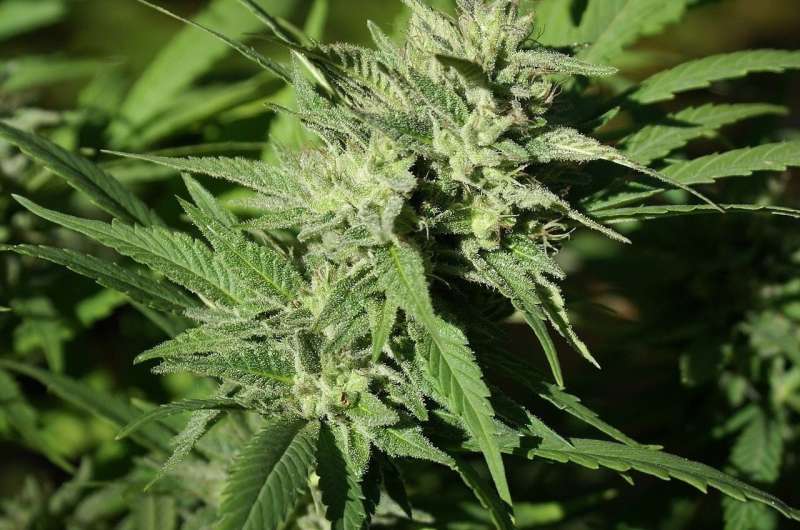
Researchers at Wageningen University & Research have made significant strides in understanding the origins of key cannabis compounds, including THC, CBD, and CBC. A study published online on December 26, 2025, in the Plant Biotechnology Journal reveals how cannabis plants evolved to produce these important cannabinoids, shedding light on potential biotechnological applications for medicinal use.
The research team, led by scientists Robin van Velzen and Cloé Villard, demonstrated experimentally for the first time that cannabis acquired the ability to synthesize these cannabinoids through the evolution of specialized enzymes. The study highlights the transition from generalist enzymes, which produced multiple cannabinoids, to specialized enzymes that focus on specific compounds. This evolutionary shift occurred over millions of years, driven by gene duplications that refined the production process.
Using a technique known as ancestral sequence reconstruction, the researchers reconstructed enzymes from cannabis’s ancient ancestors. By analyzing the DNA of modern cannabis plants, they inferred the characteristics of these enzymes from millions of years ago. The team then resurrected these “ancestral enzymes” in the laboratory and conducted experiments to assess their capabilities. The findings provide the first experimental evidence that cannabinoid biosynthesis, particularly for THC, originated from a relatively recent ancestor of cannabis.
Implications for Biotechnology and Medicine
This research not only enhances our understanding of cannabis evolution but also opens new avenues for biotechnological innovation. The reconstructed ancestral enzymes exhibited properties that made them easier to produce in microorganisms, such as yeast cells, compared to their modern counterparts. This is particularly relevant as the demand for biotechnological production methods for cannabinoids continues to grow.
“What once seemed evolutionarily ‘unfinished’ turns out to be highly useful,” said van Velzen. He noted that these ancestral enzymes are more robust and flexible than their modern descendants, making them appealing for new applications in biotechnology and pharmaceutical research. One enzyme of particular interest produces CBC, a cannabinoid recognized for its anti-inflammatory and analgesic properties. Currently, no cannabis strains naturally contain high levels of CBC, raising the potential for developing innovative medicinal varieties by introducing this enzyme into cannabis plants.
The study underscores the importance of fundamental research into plant DNA and its implications for both evolutionary science and practical applications in medicine. As scientific understanding deepens, the potential for creating new cannabis strains with enhanced therapeutic benefits becomes increasingly promising.
For more detailed insights, refer to the original study: Cloé Villard et al, “Resurrected Ancestral Cannabis Enzymes Unveil the Origin and Functional Evolution of Cannabinoid Synthases,” Plant Biotechnology Journal (2025). DOI: 10.1111/pbi.70475.

Robinhood Stock Surges 2.5% Today Amid Tech Market Recovery

Philadelphia’s Earth Month Kicks Off with Free Events in Parks

GSK’s Inhaler Decision Sparks Health Concerns for Children

Bradford’s Fish Fry Fridays Offer Community Spirit and Flavor

Speculation Rises on Shutdowns During Trump’s Potential Presidency

Samsung Galaxy Watch 9 to Feature Larger Battery, Report Reveals

Inventors Find New Purpose Through Unconventional Paths

UConn Huskies Aim for Back-to-Back Titles in 2026 NCAA Tournament

U.S. Mine Countermeasure Ships Dock in Malaysia for Logistics Stop

University of Hawaiʻi at Mānoa Joins $25.6M AI Initiative for Disaster Monitoring

$2.2 Million Boost for Cancer Research and Training in Hawaiʻi

ALMA Discovers Companion Orbiting Red Giant Star π 1 Gruis

Sacituzumab Govitecan Shows Promise for HR+/HER2− Breast Cancer

币安人生 Sees $15.92 Million in Trading Volume Amid Market Fluctuations

New Gel Offers Hope for Regrowing Tooth Enamel in Dentistry

CAVA Group Shares Surge 5.1% Amid Mixed Analyst Ratings

Christian Bale in Talks to Join Leonardo DiCaprio in Heat 2

Supreme Court to Review Birthright Citizenship for Children of Immigrants
-
Science9 months ago
University of Hawaiʻi at Mānoa Joins $25.6M AI Initiative for Disaster Monitoring
-
 Health7 months ago
$2.2 Million Boost for Cancer Research and Training in Hawaiʻi
-
 Science9 months ago
ALMA Discovers Companion Orbiting Red Giant Star π 1 Gruis
-
 Health7 months ago
Sacituzumab Govitecan Shows Promise for HR+/HER2− Breast Cancer
-
Politics5 months ago
币安人生 Sees $15.92 Million in Trading Volume Amid Market Fluctuations
-
 Health9 months ago
New Gel Offers Hope for Regrowing Tooth Enamel in Dentistry
-
 Business8 months ago
CAVA Group Shares Surge 5.1% Amid Mixed Analyst Ratings
-
 Entertainment9 months ago
Christian Bale in Talks to Join Leonardo DiCaprio in Heat 2
-
 Politics8 months ago
Supreme Court to Review Birthright Citizenship for Children of Immigrants
-

 Lifestyle8 months ago
Art Deco and Traditional Designs Set to Transform Homes in 2026
-

 Lifestyle8 months ago
Fernando Mendoza Secures Maxwell and O’Brien Awards Ahead of Heisman
-

 World8 months ago
Swiss Residents Reject 50% Inheritance Tax on Wealthy