
Science
Smart Security Tools Enhance Employee Productivity in 2026

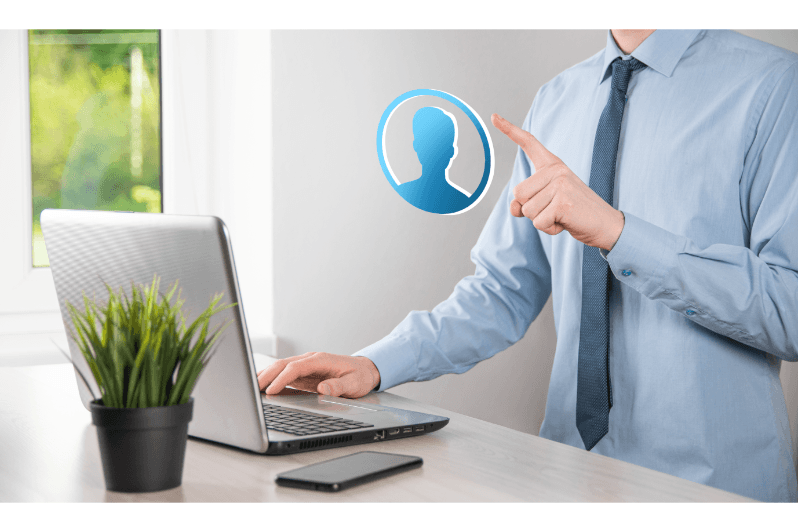
The landscape of work has transformed significantly by 2026, with many employees now balancing tasks between home offices and traditional workplaces. As reliance on digital tools such as laptops, smartphones, and cloud applications has surged, the necessity for advanced cybersecurity measures has become paramount. This shift has prompted organizations to adopt smart security tools that not only safeguard data but also enhance employee productivity.
Integrating Security and Productivity
Historically, many viewed security measures as obstacles to efficiency. Employees often encountered cumbersome password requirements and slow systems, leading to frustration and decreased productivity. Yet, in 2026, this perception has shifted dramatically. Modern security tools operate seamlessly in the background, allowing employees to focus on their work without the constant worry of cyber threats. As a result, businesses increasingly implement workspace security platforms designed to protect operations while facilitating smoother workflows.
One of the most significant impacts of smart security tools is their ability to minimize system downtime. Outages caused by security breaches or malware can severely disrupt productivity, leading to missed deadlines and overwhelmed employees. Innovative security solutions proactively detect unusual activity, addressing potential issues before they escalate. This proactive approach keeps systems operational, ensuring that employees can maintain their workflows without interruptions.
Supporting Flexible Work Environments
The rise of remote work has introduced a new set of challenges for cybersecurity. In 2026, employees are frequently working from diverse locations—be it their homes, coffee shops, or while traveling. Smart security tools are essential in this environment, providing robust protection for networks and devices without compromising the flexibility that employees value. When workers feel secure in their ability to connect from anywhere, they are more likely to perform at their best, fostering an atmosphere of trust and productivity.
Moreover, the stress associated with security concerns has a tangible effect on employee efficiency. Many workers worry that a simple mistake, such as clicking a malicious link, could have severe repercussions. Smart security solutions alleviate this anxiety by offering user-friendly warnings and guidance, steering employees away from potential pitfalls without requiring them to navigate complex technical jargon. When employees feel secure, they can concentrate on their tasks with clarity and confidence.
Additionally, contemporary security systems are designed with simplicity in mind. Unlike older systems that often left employees confused about acceptable practices, today’s tools provide clear instructions and easy-to-understand communications. This clarity reduces errors and enhances productivity, empowering employees to use technology effectively.
Trust in technology plays a critical role in workplace efficiency. If employees doubt the reliability of security systems, they are likely to hesitate before using essential tools. Smart security solutions build trust over time by consistently demonstrating their effectiveness in safeguarding data while enabling productivity.
In conclusion, smart security tools have become indispensable in modern workplaces, enhancing employee productivity by providing a secure environment for daily tasks. They facilitate remote work, reduce stress, and streamline operations, allowing employees to focus on their objectives without unnecessary distractions. As organizations continue to prioritize cybersecurity, the integration of these tools will remain crucial for maintaining a productive and secure work environment.

Robinhood Stock Surges 2.5% Today Amid Tech Market Recovery

Philadelphia’s Earth Month Kicks Off with Free Events in Parks

GSK’s Inhaler Decision Sparks Health Concerns for Children

Bradford’s Fish Fry Fridays Offer Community Spirit and Flavor

Speculation Rises on Shutdowns During Trump’s Potential Presidency

Samsung Galaxy Watch 9 to Feature Larger Battery, Report Reveals

Inventors Find New Purpose Through Unconventional Paths

UConn Huskies Aim for Back-to-Back Titles in 2026 NCAA Tournament

U.S. Mine Countermeasure Ships Dock in Malaysia for Logistics Stop

University of Hawaiʻi at Mānoa Joins $25.6M AI Initiative for Disaster Monitoring

$2.2 Million Boost for Cancer Research and Training in Hawaiʻi

ALMA Discovers Companion Orbiting Red Giant Star π 1 Gruis

Sacituzumab Govitecan Shows Promise for HR+/HER2− Breast Cancer

币安人生 Sees $15.92 Million in Trading Volume Amid Market Fluctuations

New Gel Offers Hope for Regrowing Tooth Enamel in Dentistry

CAVA Group Shares Surge 5.1% Amid Mixed Analyst Ratings

Supreme Court to Review Birthright Citizenship for Children of Immigrants

Christian Bale in Talks to Join Leonardo DiCaprio in Heat 2
-
Science9 months ago
University of Hawaiʻi at Mānoa Joins $25.6M AI Initiative for Disaster Monitoring
-
 Health7 months ago
$2.2 Million Boost for Cancer Research and Training in Hawaiʻi
-
 Science8 months ago
ALMA Discovers Companion Orbiting Red Giant Star π 1 Gruis
-
 Health7 months ago
Sacituzumab Govitecan Shows Promise for HR+/HER2− Breast Cancer
-
Politics5 months ago
币安人生 Sees $15.92 Million in Trading Volume Amid Market Fluctuations
-
 Health8 months ago
New Gel Offers Hope for Regrowing Tooth Enamel in Dentistry
-
 Business7 months ago
CAVA Group Shares Surge 5.1% Amid Mixed Analyst Ratings
-
 Politics7 months ago
Supreme Court to Review Birthright Citizenship for Children of Immigrants
-
 Entertainment8 months ago
Christian Bale in Talks to Join Leonardo DiCaprio in Heat 2
-

 Lifestyle8 months ago
Art Deco and Traditional Designs Set to Transform Homes in 2026
-

 Lifestyle7 months ago
Fernando Mendoza Secures Maxwell and O’Brien Awards Ahead of Heisman
-

 World8 months ago
Swiss Residents Reject 50% Inheritance Tax on Wealthy