
Science
Thwaites Glacier Faces Increased Earthquake Activity, Raises Alarm

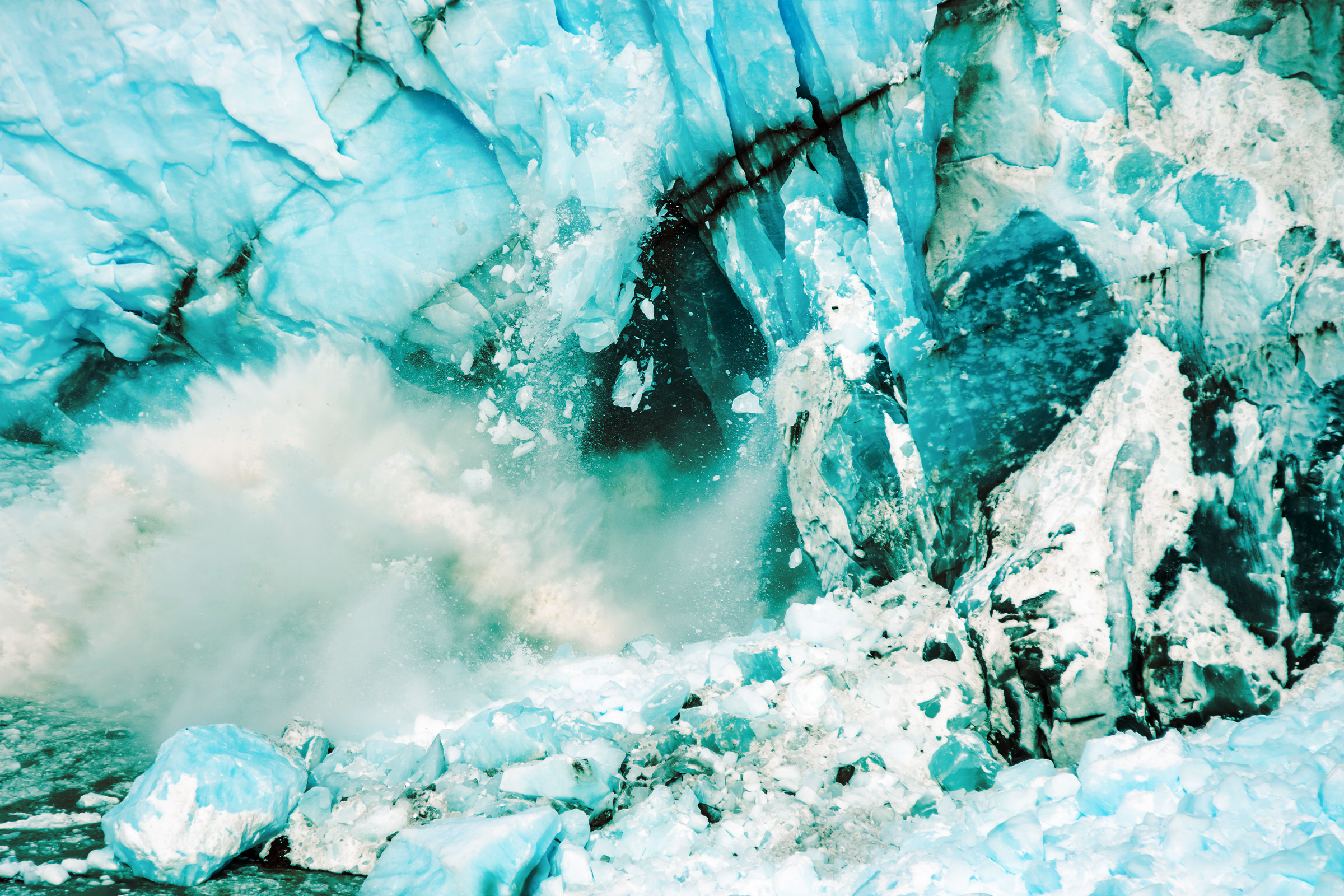
Antarctica’s Thwaites Glacier, often referred to as the “Doomsday Glacier,” has experienced a disturbing surge in seismic activity, with hundreds of earthquakes detected over the past decade. This alarming trend, detailed in a recent study published in the journal Geophysical Research Letters, suggests that the glacier, which is nearly the size of Great Britain, is more vulnerable than previously anticipated. The potential disintegration of Thwaites could result in catastrophic flooding, displacing between two and ten feet of water to coastal regions around the globe.
The study reveals that between 2010 and 2023, a total of 362 previously unrecognized seismic events were recorded, predominantly in the West Antarctic region, where the Thwaites Glacier and the Pine Island Glacier are located. According to the research led by Thanh-Son Phạm, a seismologist at the Australian National University, the earthquakes, which typically register around magnitude 5 on the Richter scale, may be closely linked to the calving of icebergs as warmer temperatures influence glacial dynamics.
Seismic Monitoring Recommendations
Phạm advocates for the establishment of a dedicated seismic monitoring network in Antarctica to better understand and track the evolving dynamics of glaciers like Thwaites. He notes that the current understanding of the forces driving Antarctic earthquakes is limited due to a lack of data. To address this gap, Phạm developed an algorithm capable of analyzing wave patterns from existing seismic monitors across the continent. His findings indicate that approximately 245 of the detected earthquakes originated from Thwaites Glacier, attributed to the breaking off of icebergs into the ocean.
The implications of Thwaites Glacier’s instability extend beyond immediate seismic activity. Its collapse could significantly impact the West Antarctic Ice Sheet, which currently acts as a stabilizing barrier, preventing additional ice from sliding into the ocean. Scientists are increasingly concerned that the glacier’s potential disintegration could accelerate global sea-level rise, posing a direct threat to coastal communities worldwide.
Urgency of the Situation
As climate change continues to reshape the polar environments, the data from this study underscores the urgency of monitoring these critical regions. The research highlights the need for international cooperation in climate science and disaster preparedness. Without a comprehensive understanding of the mechanisms at play, governments may struggle to devise effective strategies to mitigate the impacts of such environmental changes.
In summary, the seismic activities surrounding Thwaites Glacier are a stark reminder of the fragility of our planet’s ice reserves. The findings not only call attention to the glacier itself but also to the broader implications of climate change on global sea levels and coastal safety.

Robinhood Stock Surges 2.5% Today Amid Tech Market Recovery

Philadelphia’s Earth Month Kicks Off with Free Events in Parks

GSK’s Inhaler Decision Sparks Health Concerns for Children

Bradford’s Fish Fry Fridays Offer Community Spirit and Flavor

Speculation Rises on Shutdowns During Trump’s Potential Presidency

Samsung Galaxy Watch 9 to Feature Larger Battery, Report Reveals

Inventors Find New Purpose Through Unconventional Paths

UConn Huskies Aim for Back-to-Back Titles in 2026 NCAA Tournament

U.S. Mine Countermeasure Ships Dock in Malaysia for Logistics Stop

University of Hawaiʻi at Mānoa Joins $25.6M AI Initiative for Disaster Monitoring

$2.2 Million Boost for Cancer Research and Training in Hawaiʻi

ALMA Discovers Companion Orbiting Red Giant Star π 1 Gruis

Sacituzumab Govitecan Shows Promise for HR+/HER2− Breast Cancer

币安人生 Sees $15.92 Million in Trading Volume Amid Market Fluctuations

New Gel Offers Hope for Regrowing Tooth Enamel in Dentistry

CAVA Group Shares Surge 5.1% Amid Mixed Analyst Ratings

Christian Bale in Talks to Join Leonardo DiCaprio in Heat 2

Supreme Court to Review Birthright Citizenship for Children of Immigrants
-
Science9 months ago
University of Hawaiʻi at Mānoa Joins $25.6M AI Initiative for Disaster Monitoring
-
 Health7 months ago
$2.2 Million Boost for Cancer Research and Training in Hawaiʻi
-
 Science9 months ago
ALMA Discovers Companion Orbiting Red Giant Star π 1 Gruis
-
 Health7 months ago
Sacituzumab Govitecan Shows Promise for HR+/HER2− Breast Cancer
-
Politics5 months ago
币安人生 Sees $15.92 Million in Trading Volume Amid Market Fluctuations
-
 Health9 months ago
New Gel Offers Hope for Regrowing Tooth Enamel in Dentistry
-
 Business8 months ago
CAVA Group Shares Surge 5.1% Amid Mixed Analyst Ratings
-
 Entertainment8 months ago
Christian Bale in Talks to Join Leonardo DiCaprio in Heat 2
-
 Politics8 months ago
Supreme Court to Review Birthright Citizenship for Children of Immigrants
-

 Lifestyle8 months ago
Art Deco and Traditional Designs Set to Transform Homes in 2026
-

 Lifestyle8 months ago
Fernando Mendoza Secures Maxwell and O’Brien Awards Ahead of Heisman
-

 World8 months ago
Swiss Residents Reject 50% Inheritance Tax on Wealthy