
Science
Trump Administration Reassesses Science Grant Applications Amid Controversy

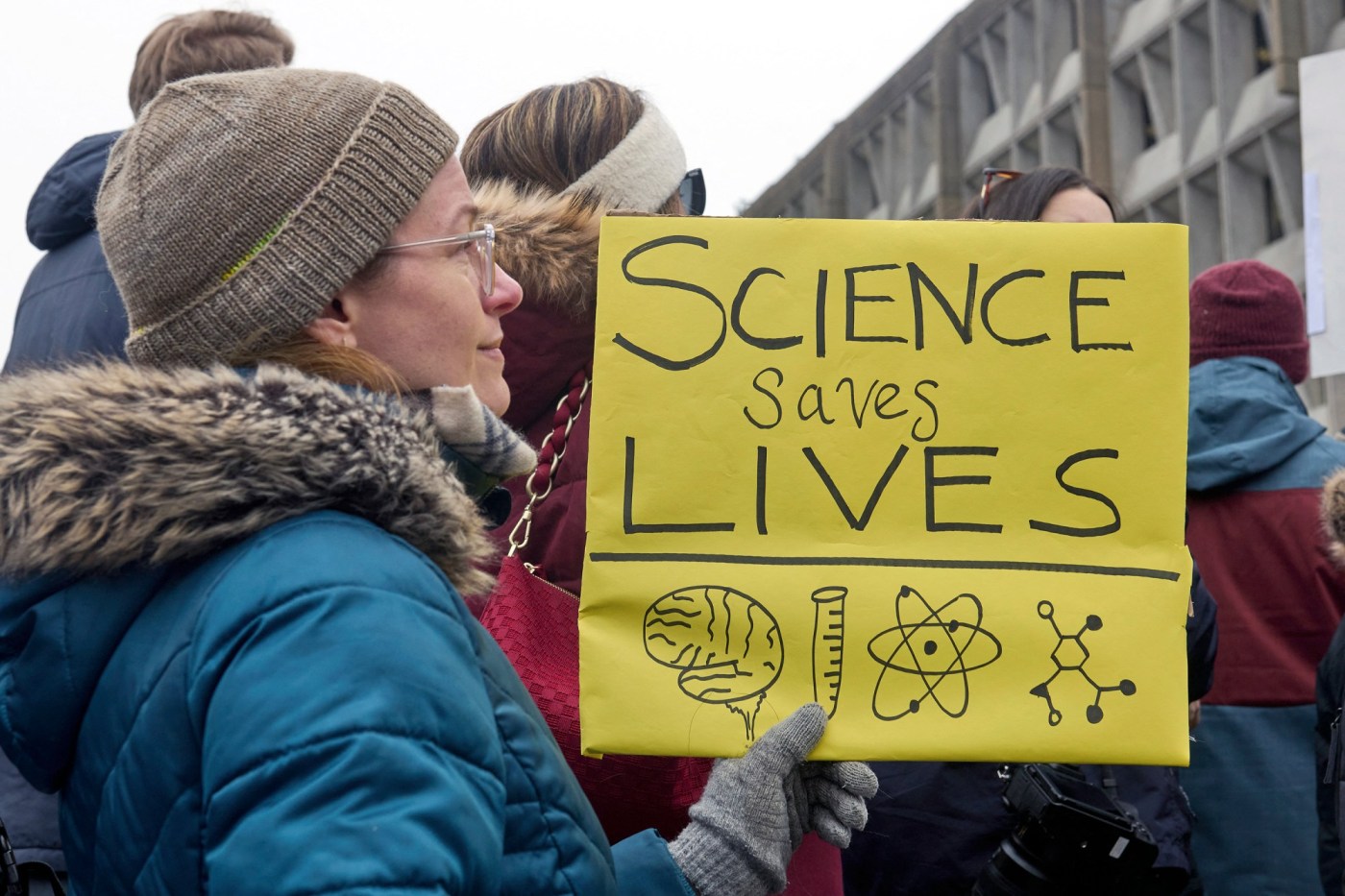
The Trump administration has agreed to reevaluate thousands of science and medical research grant applications that had been previously stalled due to concerns over diversity, equity, and inclusion. This decision, reported by the Seattle Times, raises cautious optimism as it could potentially unlock significant advancements in critical areas such as HIV prevention and Alzheimer’s disease treatment.
The reevaluation affects numerous institutions, including the University of Washington, which received $572 million from the National Institutes of Health (NIH) in 2024. Washington’s Attorney General, Nick Brown, has joined a coalition of 16 state attorneys general in a lawsuit challenging the government’s previous actions that had frozen or terminated these grant applications.
Background of the Grant Review Stalemate
The NIH and the National Science Foundation (NSF) have faced criticism for delaying research grants that some argue are essential for scientific progress. Following the agreement reached last month, the NIH has already reviewed hundreds of applications, approving 499 of them. Despite this progress, skepticism remains about the administration’s commitment to funding these initiatives.
During his first term, President Trump attempted to cut funding from the NIH, proposing a reduction of $6.1 billion in research funding, including a significant $1 billion for cancer research. Bipartisan action in Congress ultimately prevented these cuts, but the attempts indicated a broader pattern of interference in scientific funding.
In early 2025, Trump ordered a pause on federal grant applications and cut funding for essential research, leading to numerous lawsuits from affected institutions. Notably, elite universities such as Cornell University and Columbia University were targeted for substantial funding reductions under the guise of civil rights protection. The actions included threats to withhold federal contracts if universities did not align with the administration’s stance on issues such as race and gender in hiring practices.
Current Implications and Future Outlook
Despite the recent agreement to reassess the stalled applications, it is important to note that this does not guarantee funding. The NIH is now tasked with considering the backlog of applications but is under no obligation to approve them. This state of affairs follows nearly a year of legal challenges and advocacy efforts aimed at reversing the previous freeze on grants.
The ongoing situation highlights a troubling trend in the United States, where scientific and technological advancements have historically been a point of national pride. The challenges faced by researchers and institutions underscore the complexities involved in balancing administrative priorities with the needs of the scientific community. As the NIH resumes its review process, the hope is that a renewed focus on research funding will ultimately lead to significant contributions in various fields, benefiting society as a whole.

Robinhood Stock Surges 2.5% Today Amid Tech Market Recovery

Philadelphia’s Earth Month Kicks Off with Free Events in Parks

GSK’s Inhaler Decision Sparks Health Concerns for Children

Bradford’s Fish Fry Fridays Offer Community Spirit and Flavor

Speculation Rises on Shutdowns During Trump’s Potential Presidency

Samsung Galaxy Watch 9 to Feature Larger Battery, Report Reveals

Inventors Find New Purpose Through Unconventional Paths

UConn Huskies Aim for Back-to-Back Titles in 2026 NCAA Tournament

U.S. Mine Countermeasure Ships Dock in Malaysia for Logistics Stop

University of Hawaiʻi at Mānoa Joins $25.6M AI Initiative for Disaster Monitoring

$2.2 Million Boost for Cancer Research and Training in Hawaiʻi

ALMA Discovers Companion Orbiting Red Giant Star π 1 Gruis

Sacituzumab Govitecan Shows Promise for HR+/HER2− Breast Cancer

币安人生 Sees $15.92 Million in Trading Volume Amid Market Fluctuations

New Gel Offers Hope for Regrowing Tooth Enamel in Dentistry

CAVA Group Shares Surge 5.1% Amid Mixed Analyst Ratings

Christian Bale in Talks to Join Leonardo DiCaprio in Heat 2

Supreme Court to Review Birthright Citizenship for Children of Immigrants
-
Science9 months ago
University of Hawaiʻi at Mānoa Joins $25.6M AI Initiative for Disaster Monitoring
-
 Health7 months ago
$2.2 Million Boost for Cancer Research and Training in Hawaiʻi
-
 Science8 months ago
ALMA Discovers Companion Orbiting Red Giant Star π 1 Gruis
-
 Health7 months ago
Sacituzumab Govitecan Shows Promise for HR+/HER2− Breast Cancer
-
Politics5 months ago
币安人生 Sees $15.92 Million in Trading Volume Amid Market Fluctuations
-
 Health9 months ago
New Gel Offers Hope for Regrowing Tooth Enamel in Dentistry
-
 Business7 months ago
CAVA Group Shares Surge 5.1% Amid Mixed Analyst Ratings
-
 Entertainment8 months ago
Christian Bale in Talks to Join Leonardo DiCaprio in Heat 2
-
 Politics7 months ago
Supreme Court to Review Birthright Citizenship for Children of Immigrants
-

 Lifestyle8 months ago
Art Deco and Traditional Designs Set to Transform Homes in 2026
-

 Lifestyle7 months ago
Fernando Mendoza Secures Maxwell and O’Brien Awards Ahead of Heisman
-

 World8 months ago
Swiss Residents Reject 50% Inheritance Tax on Wealthy