
Science
UK Researchers Secure Funding for Campylobacter Study

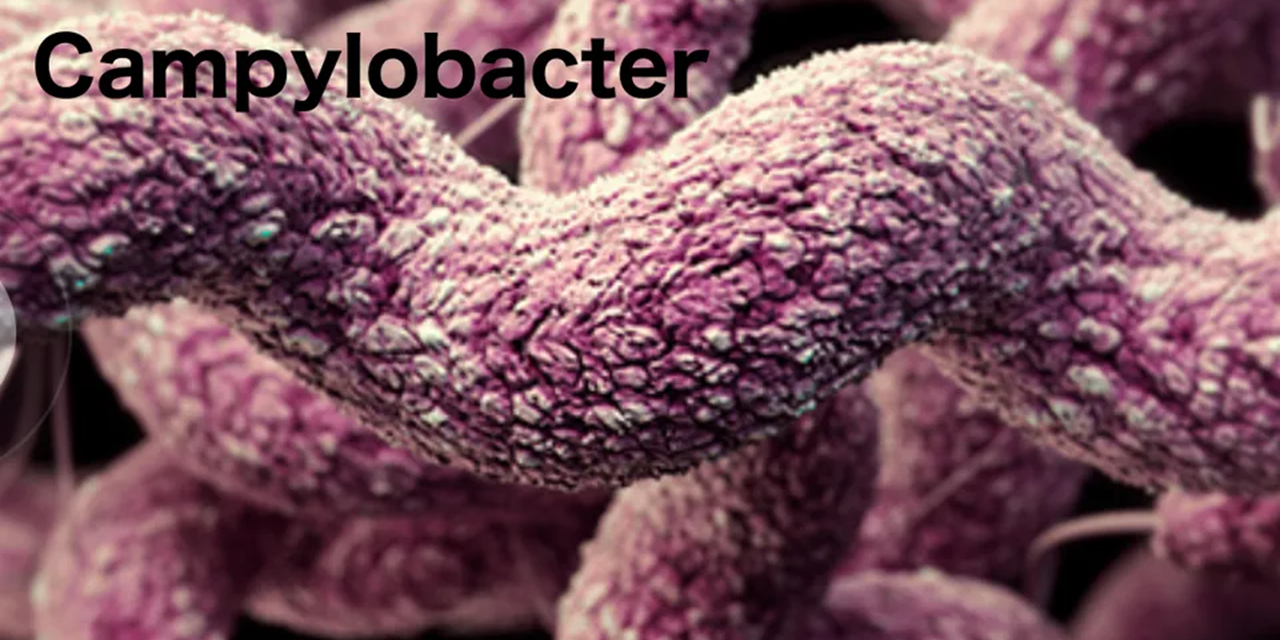
Research teams at the London School of Hygiene & Tropical Medicine (LSHTM) have successfully secured funding to study the behaviors of Campylobacter, a significant pathogen that poses risks to public health. The Biotechnology and Biological Sciences Research Council (BBSRC) has awarded a total of £850,000 (approximately $1.1 million) to a consortium involving LSHTM, aimed at understanding how this bacterium outcompetes others and adapts within various host environments.
The project will delve into the specific mechanisms employed by Campylobacter to thrive and proliferate, particularly in the presence of competing bacteria. This research is pivotal, as Campylobacter is a leading cause of bacterial food poisoning globally. Understanding its competitive strategies may lead to improved methods for controlling its spread and reducing foodborne illnesses.
Exploring Campylobacter’s Competitive Edge
Researchers plan to utilize advanced genetic and molecular techniques to examine the interactions between Campylobacter and other microbial species. The study will focus on the bacterium’s adaptability to different environmental conditions, which is crucial for its survival and transmission.
The ability of Campylobacter to adjust to various niches within host organisms poses a challenge for both public health and food safety. According to the UK Food Standards Agency, Campylobacter is responsible for approximately 280,000 cases of food poisoning annually in the UK alone. The implications of this research could extend beyond the UK, as similar patterns of infection are observed worldwide.
Funding from BBSRC will enable LSHTM researchers to collaborate with other institutions, fostering a comprehensive approach to understanding Campylobacter. This collaborative effort highlights the importance of interdisciplinary research in addressing complex health challenges.
Potential Impact on Public Health
The findings from this research could lead to targeted interventions aimed at reducing Campylobacter contamination in food sources, particularly poultry, which is a common vector for the bacterium. Enhanced understanding of its environmental adaptability may facilitate the development of better risk assessment strategies and public health policies.
Professor of Microbiology at LSHTM, Jane Smith, emphasized the importance of this funding in advancing our knowledge of Campylobacter. She noted, “This research provides a vital opportunity to understand how this pathogen competes with other bacteria and thrives in diverse environments. The results could inform future prevention strategies.”
As the research progresses, findings will contribute to a growing body of knowledge aimed at mitigating the risks posed by Campylobacter, ultimately improving food safety and public health outcomes.

Robinhood Stock Surges 2.5% Today Amid Tech Market Recovery

Philadelphia’s Earth Month Kicks Off with Free Events in Parks

GSK’s Inhaler Decision Sparks Health Concerns for Children

Bradford’s Fish Fry Fridays Offer Community Spirit and Flavor

Speculation Rises on Shutdowns During Trump’s Potential Presidency

Samsung Galaxy Watch 9 to Feature Larger Battery, Report Reveals

Inventors Find New Purpose Through Unconventional Paths

UConn Huskies Aim for Back-to-Back Titles in 2026 NCAA Tournament

U.S. Mine Countermeasure Ships Dock in Malaysia for Logistics Stop

University of Hawaiʻi at Mānoa Joins $25.6M AI Initiative for Disaster Monitoring

$2.2 Million Boost for Cancer Research and Training in Hawaiʻi

ALMA Discovers Companion Orbiting Red Giant Star π 1 Gruis

Sacituzumab Govitecan Shows Promise for HR+/HER2− Breast Cancer

币安人生 Sees $15.92 Million in Trading Volume Amid Market Fluctuations

New Gel Offers Hope for Regrowing Tooth Enamel in Dentistry

CAVA Group Shares Surge 5.1% Amid Mixed Analyst Ratings

Christian Bale in Talks to Join Leonardo DiCaprio in Heat 2

Supreme Court to Review Birthright Citizenship for Children of Immigrants
-
Science9 months ago
University of Hawaiʻi at Mānoa Joins $25.6M AI Initiative for Disaster Monitoring
-
 Health7 months ago
$2.2 Million Boost for Cancer Research and Training in Hawaiʻi
-
 Science9 months ago
ALMA Discovers Companion Orbiting Red Giant Star π 1 Gruis
-
 Health7 months ago
Sacituzumab Govitecan Shows Promise for HR+/HER2− Breast Cancer
-
Politics5 months ago
币安人生 Sees $15.92 Million in Trading Volume Amid Market Fluctuations
-
 Health9 months ago
New Gel Offers Hope for Regrowing Tooth Enamel in Dentistry
-
 Business8 months ago
CAVA Group Shares Surge 5.1% Amid Mixed Analyst Ratings
-
 Entertainment8 months ago
Christian Bale in Talks to Join Leonardo DiCaprio in Heat 2
-
 Politics8 months ago
Supreme Court to Review Birthright Citizenship for Children of Immigrants
-

 Lifestyle8 months ago
Art Deco and Traditional Designs Set to Transform Homes in 2026
-

 Lifestyle8 months ago
Fernando Mendoza Secures Maxwell and O’Brien Awards Ahead of Heisman
-

 World8 months ago
Swiss Residents Reject 50% Inheritance Tax on Wealthy