
Sports
Trump Unveils ‘Patriot Games’, Sparks Controversy Over Dystopian Themes

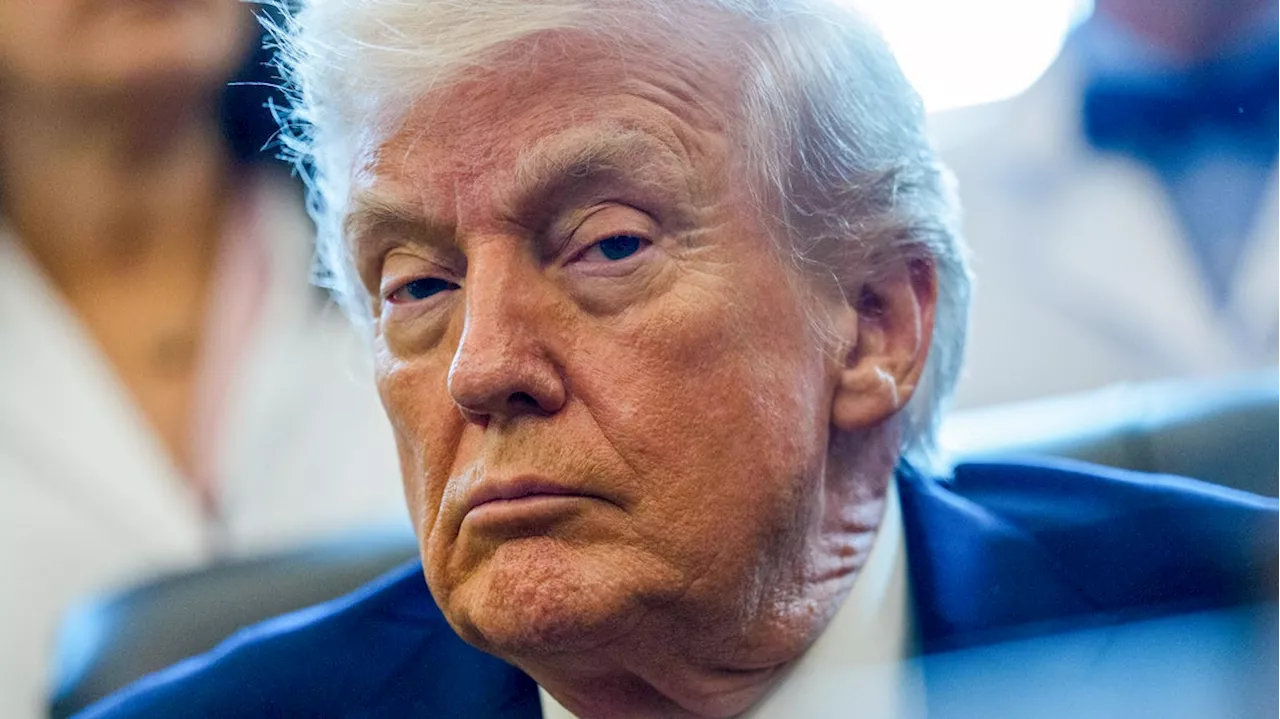
The White House has announced the launch of the “Patriot Games,” a four-day athletic competition featuring high school athletes from each state and territory. This event, designed to celebrate the 250th anniversary of the United States, has triggered a wave of comparisons to the dystopian themes of the popular series, The Hunger Games. Critics have raised concerns about potential authoritarian tendencies reflected in the announcement.
In a promotional video shared on the White House’s X account, former President Donald Trump introduced the event as “the first-ever Patriot Games.” He described it as a unique competition where one male and one female athlete from each state and territory would represent their region. The announcement has garnered attention for its eerie resemblance to the fictional competition in The Hunger Games, where young individuals are forced to participate in deadly contests as a form of state control and entertainment.
The Hunger Games series, created by author Suzanne Collins, portrays a dystopian society where citizens live under strict government surveillance and control. In this world, the Capitol’s elite watch as tributes from various districts fight to the death, echoing sentiments of sacrifice and struggle for survival. Critics have noted that the concept of the Patriot Games, while framed as a celebration of athleticism, may serve as a distraction from pressing societal issues such as economic challenges and rising costs of living.
Political figures have joined the conversation, with Illinois Governor J.B. Pritzker mocking the event by likening it to the fictional games. He stated, “Creating the ‘Patriot Games’ isn’t the most Hunger Games thing this regime has done.” This sentiment reflects a broader concern about the implications of using such themes in political events, especially in a context where many Americans feel disenfranchised.
The name “Patriot Games” itself has sparked discussions about the historical references embedded within the title. The term “Panem et Circenses,” a phrase from the ancient Roman poet Juvenal, describes how rulers distract their populace from political apathy through entertainment and sustenance. The parallels drawn between this concept and the current political landscape highlight the fears surrounding the manipulation of public sentiment through spectacle.
Critics argue that events like the Patriot Games could be seen as an attempt to divert attention from significant issues facing the nation, including affordability crises in housing and healthcare. As one commentator pointed out, “Trump rolls out reality-TV ‘Patriot Games’ as a shiny distraction. Bread costs more, care costs more, and he’s selling circus nonsense.”
The books and films of The Hunger Games are more than mere entertainment; they delve into complex themes of propaganda, nationalism, and the struggle for autonomy amid oppressive governance. Collins has previously discussed the inspiration behind her work, noting that the chaotic landscape of reality television and real-life conflicts in the early 2000s influenced her storytelling.
As the announcement of the Patriot Games unfolds, it raises critical questions about the role of entertainment in politics and the potential consequences of framing serious societal issues within a competitive spectacle. The juxtaposition of sporting events against a backdrop of political unrest evokes a sense of urgency regarding civic engagement and the need for accountability from those in power.
The implications of this event and its reception will likely continue to be a topic of discussion, as citizens reflect on the messages being conveyed through such public spectacles. Observers will be watching closely to see how this initiative unfolds and what it reveals about the current state of American democracy.

Robinhood Stock Surges 2.5% Today Amid Tech Market Recovery

Philadelphia’s Earth Month Kicks Off with Free Events in Parks

GSK’s Inhaler Decision Sparks Health Concerns for Children

Bradford’s Fish Fry Fridays Offer Community Spirit and Flavor

Speculation Rises on Shutdowns During Trump’s Potential Presidency

Samsung Galaxy Watch 9 to Feature Larger Battery, Report Reveals

Inventors Find New Purpose Through Unconventional Paths

UConn Huskies Aim for Back-to-Back Titles in 2026 NCAA Tournament

U.S. Mine Countermeasure Ships Dock in Malaysia for Logistics Stop

University of Hawaiʻi at Mānoa Joins $25.6M AI Initiative for Disaster Monitoring

$2.2 Million Boost for Cancer Research and Training in Hawaiʻi

ALMA Discovers Companion Orbiting Red Giant Star π 1 Gruis

Sacituzumab Govitecan Shows Promise for HR+/HER2− Breast Cancer

币安人生 Sees $15.92 Million in Trading Volume Amid Market Fluctuations

New Gel Offers Hope for Regrowing Tooth Enamel in Dentistry

CAVA Group Shares Surge 5.1% Amid Mixed Analyst Ratings

Christian Bale in Talks to Join Leonardo DiCaprio in Heat 2

Supreme Court to Review Birthright Citizenship for Children of Immigrants
-
Science9 months ago
University of Hawaiʻi at Mānoa Joins $25.6M AI Initiative for Disaster Monitoring
-
 Health8 months ago
$2.2 Million Boost for Cancer Research and Training in Hawaiʻi
-
 Science9 months ago
ALMA Discovers Companion Orbiting Red Giant Star π 1 Gruis
-
 Health7 months ago
Sacituzumab Govitecan Shows Promise for HR+/HER2− Breast Cancer
-
Politics5 months ago
币安人生 Sees $15.92 Million in Trading Volume Amid Market Fluctuations
-
 Health9 months ago
New Gel Offers Hope for Regrowing Tooth Enamel in Dentistry
-
 Business8 months ago
CAVA Group Shares Surge 5.1% Amid Mixed Analyst Ratings
-
 Entertainment9 months ago
Christian Bale in Talks to Join Leonardo DiCaprio in Heat 2
-
 Politics8 months ago
Supreme Court to Review Birthright Citizenship for Children of Immigrants
-

 Lifestyle9 months ago
Art Deco and Traditional Designs Set to Transform Homes in 2026
-

 Lifestyle8 months ago
Fernando Mendoza Secures Maxwell and O’Brien Awards Ahead of Heisman
-

 World8 months ago
Swiss Residents Reject 50% Inheritance Tax on Wealthy