
Sports
U.S. Interventionism Faces Scrutiny After Venezuela Actions

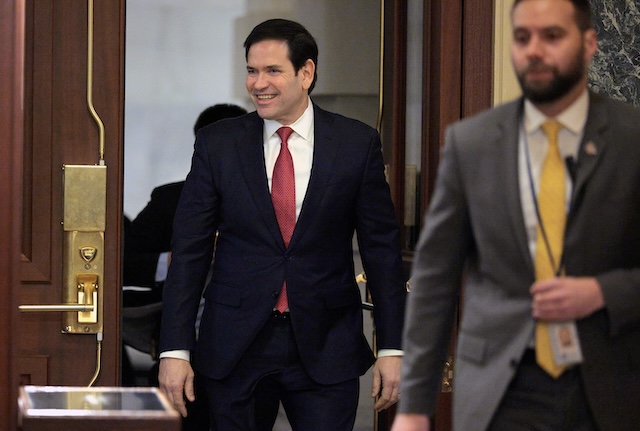
The recent actions of the United States in Venezuela have ignited discussions regarding a potential new era of interventionism under President Donald Trump. Following the arrest of Venezuelan President Nicolás Maduro and his wife by U.S. forces, concerns are growing about subsequent U.S. involvement in neighboring countries, particularly Colombia and Cuba. The State Department’s declaration that “This is OUR Hemisphere” underscores a bold, yet potentially perilous, shift in American foreign policy.
Escalating Tensions in Latin America
On January 7, 2026, the rhetoric from the Trump administration suggested a willingness to adopt a more aggressive stance towards Latin America. The recent military actions in Venezuela, described by Trump as a possible template for future interventions, have drawn parallels to the historical U.S. doctrine that viewed the region as its strategic domain. Trump’s comments about the Monroe Doctrine, referencing it as the “Donroe Doctrine,” reflect a potential embrace of interventionism that could reshape relationships within the hemisphere.
Many observers have noted the implications of such a policy, particularly as U.S. forces remain stationed in the Caribbean. While the Venezuelan crisis has been characterized by humanitarian concerns, the broader geopolitical context raises alarms about how great powers might exploit similar situations to justify military actions.
In Colombia, President Gustavo Petro was specifically targeted by Trump’s remarks, which painted him as a “sick man” involved in drug trafficking. This characterization ignores the democratic process that brought Petro to power in 2022. When asked if the U.S. might consider military action against Colombia, Trump reportedly responded, “Sounds good to me.” Such statements have prompted outrage and concern for Colombia’s sovereignty.
Implications for Cuba and Regional Stability
The situation in Cuba also remains precarious. Secretary of State Marco Rubio, who has long advocated for a hardline stance against the Cuban government, labeled it “a huge problem” during a recent television appearance. His comments came as Cuba grapples with an economy in decline, heavily reliant on Venezuelan oil, especially following Maduro’s ousting.
Bruno Rodríguez Parrilla, Cuba’s foreign minister, voiced concerns that the U.S. blockade of Venezuelan oil, combined with the political instability in Venezuela, has placed Cuba in a critical position regarding its survival. Rubio’s remarks have raised alarm among Cuban officials, with the implication that the U.S. may be eyeing Cuba as a target for future intervention.
Amidst these developments, the sentiment in Miami, where the Cuban-American community has long sought to end the island’s communist regime, appears to support the aggressive posturing from U.S. officials. These dynamics complicate the situation further, as they risk escalating tensions across the region.
The question remains whether the actions taken in Venezuela will become a blueprint for further U.S. interventions. An increasingly assertive Trump administration may signal a willingness to engage militarily in Latin America, raising significant concerns about the stability of the region and the implications for international relations.
As the situation unfolds, the international community will be closely monitoring the U.S. approach to its neighbors, weighing the balance between national security interests and the respect for sovereign nations.

Robinhood Stock Surges 2.5% Today Amid Tech Market Recovery

Philadelphia’s Earth Month Kicks Off with Free Events in Parks

GSK’s Inhaler Decision Sparks Health Concerns for Children

Bradford’s Fish Fry Fridays Offer Community Spirit and Flavor

Speculation Rises on Shutdowns During Trump’s Potential Presidency

Samsung Galaxy Watch 9 to Feature Larger Battery, Report Reveals

Inventors Find New Purpose Through Unconventional Paths

UConn Huskies Aim for Back-to-Back Titles in 2026 NCAA Tournament

U.S. Mine Countermeasure Ships Dock in Malaysia for Logistics Stop

University of Hawaiʻi at Mānoa Joins $25.6M AI Initiative for Disaster Monitoring

$2.2 Million Boost for Cancer Research and Training in Hawaiʻi

ALMA Discovers Companion Orbiting Red Giant Star π 1 Gruis

Sacituzumab Govitecan Shows Promise for HR+/HER2− Breast Cancer

币安人生 Sees $15.92 Million in Trading Volume Amid Market Fluctuations

New Gel Offers Hope for Regrowing Tooth Enamel in Dentistry

CAVA Group Shares Surge 5.1% Amid Mixed Analyst Ratings

Christian Bale in Talks to Join Leonardo DiCaprio in Heat 2

Supreme Court to Review Birthright Citizenship for Children of Immigrants
-
Science9 months ago
University of Hawaiʻi at Mānoa Joins $25.6M AI Initiative for Disaster Monitoring
-
 Health7 months ago
$2.2 Million Boost for Cancer Research and Training in Hawaiʻi
-
 Science9 months ago
ALMA Discovers Companion Orbiting Red Giant Star π 1 Gruis
-
 Health7 months ago
Sacituzumab Govitecan Shows Promise for HR+/HER2− Breast Cancer
-
Politics5 months ago
币安人生 Sees $15.92 Million in Trading Volume Amid Market Fluctuations
-
 Health9 months ago
New Gel Offers Hope for Regrowing Tooth Enamel in Dentistry
-
 Business8 months ago
CAVA Group Shares Surge 5.1% Amid Mixed Analyst Ratings
-
 Entertainment8 months ago
Christian Bale in Talks to Join Leonardo DiCaprio in Heat 2
-
 Politics8 months ago
Supreme Court to Review Birthright Citizenship for Children of Immigrants
-

 Lifestyle8 months ago
Art Deco and Traditional Designs Set to Transform Homes in 2026
-

 Lifestyle8 months ago
Fernando Mendoza Secures Maxwell and O’Brien Awards Ahead of Heisman
-

 World8 months ago
Swiss Residents Reject 50% Inheritance Tax on Wealthy